The Silent Architects of Trust: How Digital Proof of Delivery and Frictionless Returns Are Redefining Logistics Loyalty
In an era where the final stretch of a package’s journey can make or break a customer’s perception of a brand, logistics providers are quietly revolutionizing the way trust is built. The modern consumer doesn’t just want their order delivered—they want to feel in control, informed, and valued every step of the way. This shift has turned once-overlooked processes like proof of delivery and returns management into the unsung heroes of customer loyalty. When executed seamlessly, these elements don’t just fulfill expectations; they exceed them, turning transactional interactions into lasting relationships.
The Digital Handshake: Proof of Delivery in the Age of Transparency
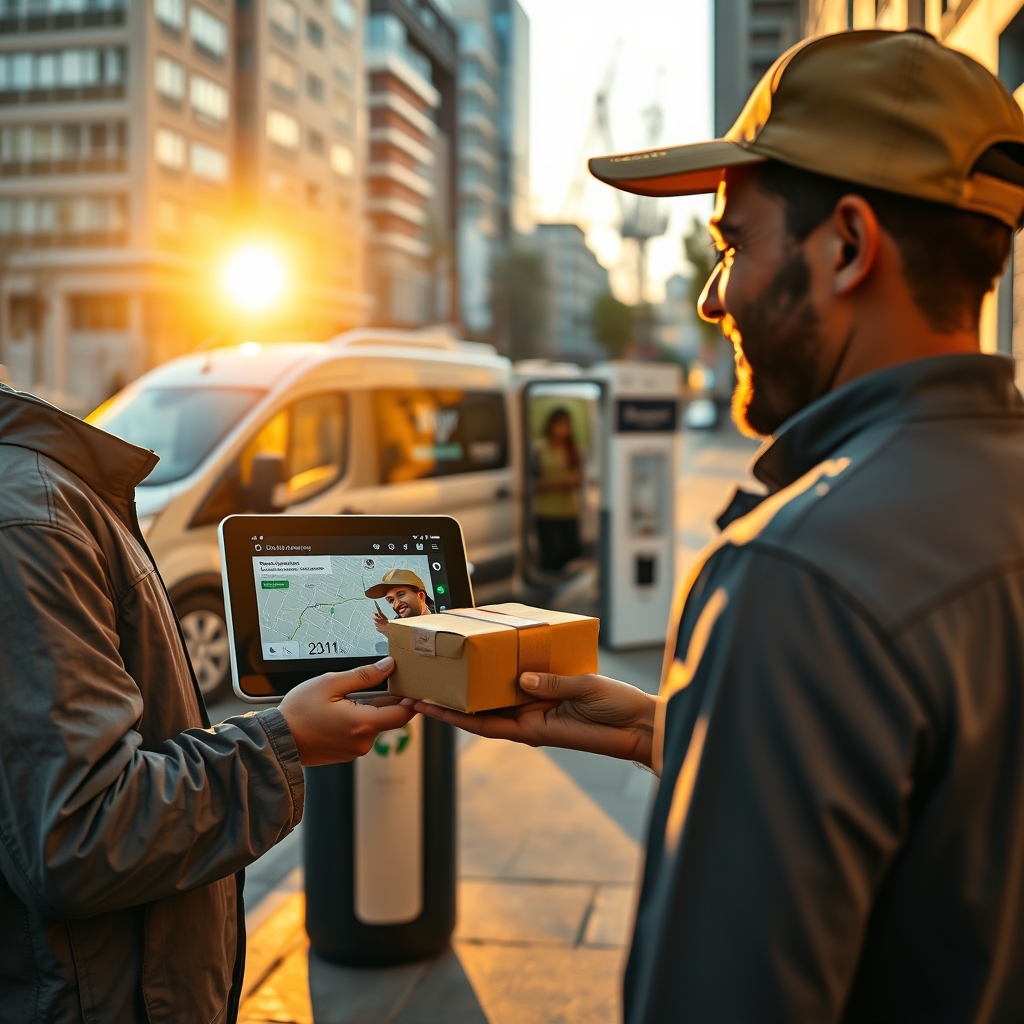
Gone are the days of scribbled signatures on crumpled receipts or ambiguous “left at front door” notes. Today’s digital proof of delivery (DPOD) systems are transforming the final mile into a moment of clarity and confidence. With real-time GPS tracking, timestamped photos, and even video confirmations, customers no longer have to wonder whether their package arrived safely—they can see it for themselves. This level of transparency doesn’t just reduce disputes; it fosters trust by putting the customer in the driver’s seat.
For businesses, DPOD is more than a tool—it’s a competitive advantage. Automated notifications that include delivery confirmation, recipient details, and even condition reports for high-value items eliminate the guesswork from logistics. Couriers benefit too, as digital records streamline their workflows and reduce the administrative burden of manual paperwork. The result? Fewer customer service inquiries, lower operational costs, and a smoother experience for everyone involved.
Beyond the Signature: The Psychology of Trust in Delivery
Trust isn’t built on technology alone—it’s built on the emotional reassurance that comes from feeling seen and heard. When a customer receives a notification with a photo of their package placed securely at their doorstep, it’s more than just proof; it’s a silent message that says, “We’ve got you.” This psychological layer is what turns a routine delivery into a memorable experience. Brands that leverage DPOD effectively aren’t just delivering packages; they’re delivering peace of mind.
Moreover, the data collected through DPOD systems can be used to personalize future interactions. For example, if a customer consistently opts for contactless delivery, the system can remember this preference, further enhancing their experience. Over time, these small but meaningful touches accumulate, deepening customer loyalty in ways that traditional logistics models never could.
The Unsung Hero: Frictionless Returns as a Loyalty Engine
If proof of delivery is the final handshake of a successful transaction, returns management is the safety net that ensures customers feel secure from the moment they click “buy.” In the past, returns were often viewed as a logistical headache—a necessary evil to be minimized at all costs. Today, forward-thinking brands recognize them as an opportunity to turn a potentially negative experience into a positive one.
Frictionless returns management starts with simplicity. Customers want to initiate returns with just a few clicks, receive instant refunds or exchanges, and have clear visibility into the process. Automated systems that integrate with inventory and fulfillment centers can make this a reality, reducing the time and effort required for both customers and businesses. For example, pre-paid return labels, instant credit issuance, and real-time tracking of return shipments eliminate the frustration that often accompanies returns.
Turning Returns into Relationships
The true power of frictionless returns lies in their ability to transform a moment of dissatisfaction into an opportunity for connection. When a customer knows that returning an item is as easy as ordering it, their anxiety about making a purchase diminishes. This confidence leads to higher conversion rates and larger basket sizes, as customers feel more comfortable trying new products or making impulse buys.
Furthermore, returns data can provide invaluable insights into product quality, customer preferences, and potential areas for improvement. Brands that analyze this data can identify trends—such as frequent returns for a specific product—and take proactive steps to address issues before they escalate. In this way, returns management becomes not just a logistical function, but a strategic tool for continuous improvement.
The Ripple Effect: How Seamless Processes Elevate the Entire Supply Chain
The impact of digital proof of delivery and frictionless returns extends far beyond the customer experience. When these processes are optimized, they create a ripple effect that enhances efficiency across the entire supply chain. For instance, automated DPOD systems reduce the need for manual follow-ups, freeing up customer service teams to focus on more complex issues. Similarly, streamlined returns processes minimize the time products spend in limbo, allowing inventory to be restocked or redistributed more quickly.
Efficient route optimization also plays a critical role in this ecosystem. By integrating DPOD and returns data with predictive analytics, logistics providers can identify patterns in delivery and return routes, optimizing them for speed and sustainability. This not only reduces fuel consumption and emissions but also lowers operational costs, creating a win-win for businesses and the environment.
Sustainability as a Byproduct of Efficiency
One of the most compelling byproducts of optimized last-mile delivery and returns management is sustainability. When routes are planned efficiently, fewer miles are driven, reducing carbon emissions. Similarly, frictionless returns reduce the likelihood of products being discarded due to logistical inefficiencies, minimizing waste. Brands that prioritize these processes are not only meeting customer expectations but also contributing to a more sustainable future.
For example, some companies are now offering “returnless refunds” for low-value items, where customers are issued a refund without needing to return the product. This approach reduces the environmental impact of shipping items back and forth while also cutting costs for the business. It’s a small change with a big impact, demonstrating how customer-centric logistics can align with broader sustainability goals.
In a world where convenience is king, the brands that thrive are those that recognize logistics as more than just a means to an end. Digital proof of delivery and frictionless returns are not just operational necessities—they are the building blocks of trust, loyalty, and long-term success. By investing in these silent architects of the customer experience, businesses can transform every delivery and return into an opportunity to deepen relationships and stand out in an increasingly competitive landscape. The future of logistics isn’t just about moving packages faster; it’s about moving hearts and minds with every interaction, leaving customers not just satisfied, but truly valued.