Revolutionizing Last Mile Delivery: The Power of Sustainable and Efficient Solutions
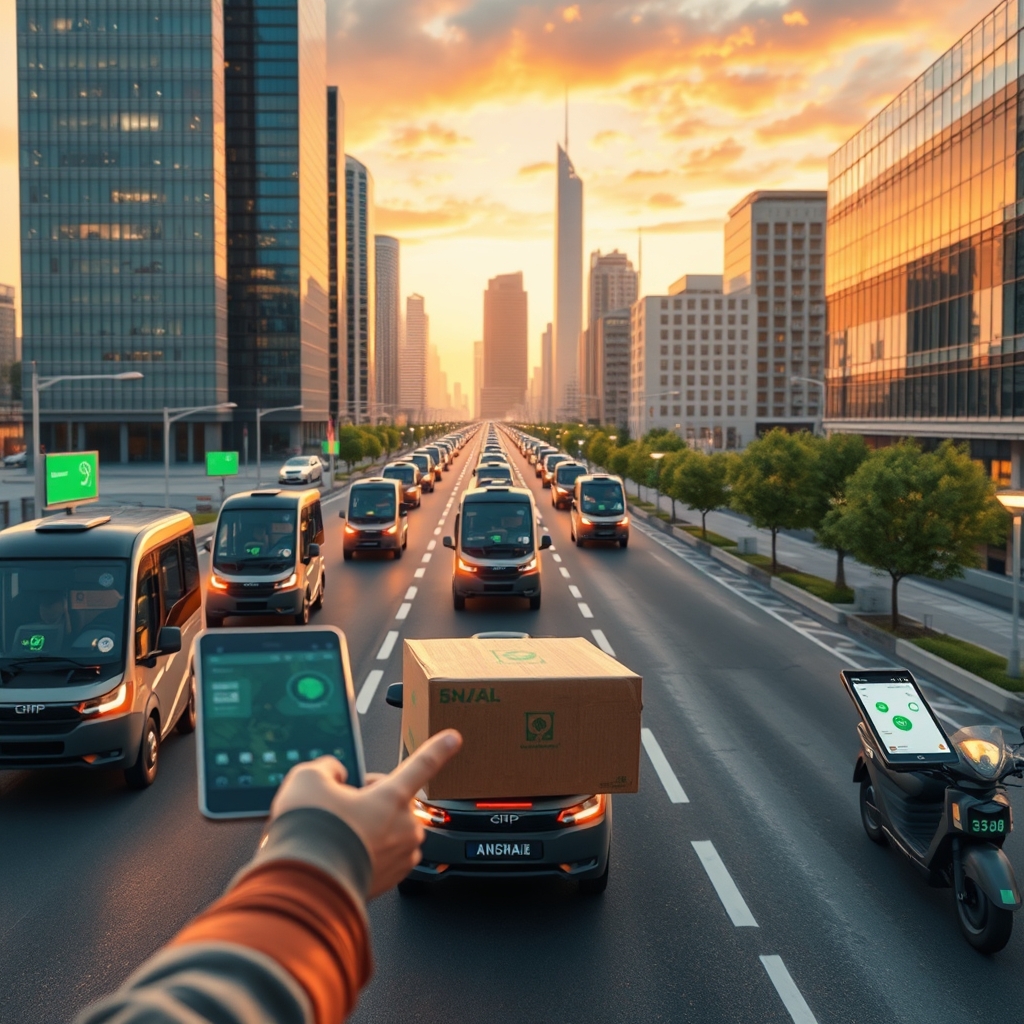
In the rapidly evolving world of logistics, the last mile delivery has become a critical focus area for businesses aiming to enhance customer satisfaction and operational efficiency. This final leg of the delivery process, from the distribution center to the customer’s doorstep, presents unique challenges and opportunities. By leveraging advanced technologies and innovative strategies, companies can optimize last mile delivery, ensuring a seamless and sustainable experience for customers.
Optimized Last Mile Delivery
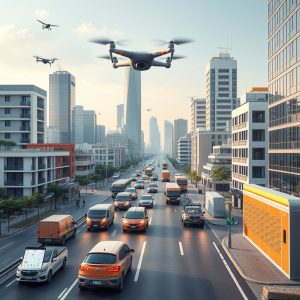
Optimizing last mile delivery involves streamlining processes to reduce costs, improve speed, and enhance overall efficiency. One of the key strategies is efficient route optimization, which uses algorithms to determine the most efficient delivery routes. This not only saves time and fuel but also reduces the carbon footprint, contributing to sustainable delivery solutions.
Real Time Tracking Experience
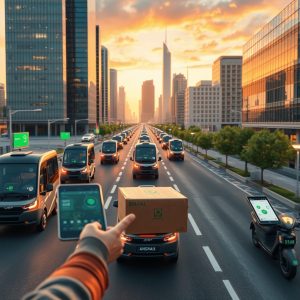
Real-time tracking has revolutionized the way customers interact with their deliveries. By providing live updates on the status and location of their packages, companies can offer a transparent shipment update experience. This transparency builds trust and enhances the overall customer experience, making the delivery process more predictable and reliable.
Customer Centric Logistics
Customer-centric logistics place the customer at the heart of the delivery process. This approach involves personalized logistics communication, where customers receive tailored updates and notifications about their deliveries. Additionally, frictionless returns management ensures that the return process is as smooth and hassle-free as possible, further enhancing customer satisfaction.
Sustainable Delivery Solutions
Sustainability is a growing concern for both businesses and consumers. Implementing sustainable delivery solutions, such as electric vehicles and eco-friendly packaging, can significantly reduce the environmental impact of last mile delivery. These initiatives not only contribute to a greener planet but also appeal to environmentally conscious customers.
Automated Fulfillment Process
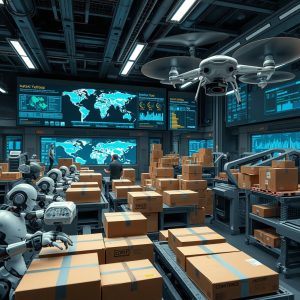
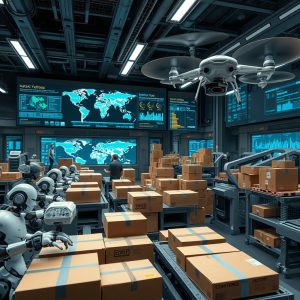
Automation plays a crucial role in optimizing the fulfillment process. Automated systems can handle tasks such as sorting, packing, and labeling, reducing the need for manual labor and minimizing errors. This leads to a more efficient and reliable delivery process, ensuring that packages reach customers on time.
Predictive Delivery Analytics
Predictive delivery analytics use data and machine learning algorithms to forecast delivery times and optimize routes. By analyzing historical data and real-time information, companies can anticipate potential delays and adjust their strategies accordingly. This proactive approach ensures that deliveries are made on time, enhancing customer satisfaction.
Hyper Local Delivery Networks
Hyper-local delivery networks focus on delivering packages within a small geographical area. This approach reduces travel time and fuel consumption, making the delivery process more efficient and sustainable. By leveraging local resources and infrastructure, companies can provide faster and more reliable delivery services.
Dynamic Delivery Scheduling
Dynamic delivery scheduling allows for real-time adjustments to delivery routes and times. This flexibility ensures that deliveries can be made at the most convenient times for customers, enhancing the overall delivery experience. By using advanced algorithms and real-time data, companies can optimize their delivery schedules to meet customer needs.
Contactless Delivery Experience
In the era of COVID-19, contactless delivery has become increasingly important. This approach minimizes physical contact between delivery personnel and customers, ensuring a safe and hygienic delivery experience. By implementing contactless delivery options, companies can prioritize customer safety and build trust.
Responsive Logistics Support
Responsive logistics support involves providing timely and effective assistance to customers throughout the delivery process. This includes addressing any issues or concerns that may arise, such as delayed deliveries or lost packages. By offering responsive support, companies can enhance customer satisfaction and build long-term relationships.
Scalable Distribution Models
Scalable distribution models allow companies to adapt to changing demand and market conditions. By leveraging flexible and scalable logistics solutions, companies can ensure that they can meet customer needs, even during peak periods. This scalability is essential for maintaining operational efficiency and customer satisfaction.
Integrated Inventory Visibility
Integrated inventory visibility provides real-time insights into inventory levels and locations. This transparency ensures that companies can manage their inventory more effectively, reducing the risk of stockouts and overstocking. By integrating inventory visibility with the delivery process, companies can enhance operational efficiency and customer satisfaction.
As the logistics industry continues to evolve, the focus on optimizing last mile delivery will remain a top priority. By leveraging advanced technologies and innovative strategies, companies can enhance customer satisfaction, reduce costs, and contribute to a more sustainable future. The key to success lies in embracing a customer-centric approach, prioritizing transparency, and continuously seeking ways to improve the delivery experience. By doing so, companies can build stronger relationships with customers and position themselves for long-term success in the competitive logistics market.