The Last Mile Revolution: How Hyper-Local Networks and Efficient Route Optimization Are Redefining Urban Deliveries
The modern logistics landscape is undergoing a seismic shift, driven by the relentless demand for faster, smarter, and more sustainable deliveries. At the heart of this transformation lies the last mile—the final leg of the delivery journey, where efficiency, transparency, and customer satisfaction are put to the ultimate test. As urbanization accelerates and e-commerce continues to soar, businesses are turning to innovative solutions like hyper-local delivery networks and efficient route optimization to meet these challenges head-on.
The Rise of Hyper-Local Delivery Networks
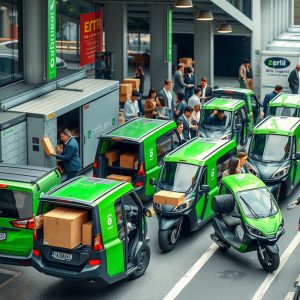
Hyper-local delivery networks are redefining the way goods move within cities. By leveraging local warehouses, micro-fulfillment centers, and even retail stores as distribution hubs, businesses can drastically reduce delivery times and costs. These networks are particularly effective in densely populated urban areas, where traditional logistics models often struggle with congestion, high operational costs, and environmental concerns.
For example, a customer ordering groceries in New York City can now receive their order within hours—or even minutes—thanks to hyper-local fulfillment centers strategically located across the boroughs. This model not only enhances speed but also reduces the carbon footprint of deliveries by minimizing the distance traveled. Companies like Amazon, Instacart, and local startups are already capitalizing on this trend, proving that hyper-local networks are not just a niche solution but a scalable and sustainable alternative to traditional logistics.
The Role of Technology in Hyper-Local Logistics
Technology is the backbone of hyper-local delivery networks. Advanced algorithms analyze real-time data to optimize inventory placement, ensuring that high-demand products are always stocked in the nearest fulfillment center. Artificial intelligence (AI) and machine learning (ML) further enhance these systems by predicting demand patterns, reducing waste, and improving overall efficiency.
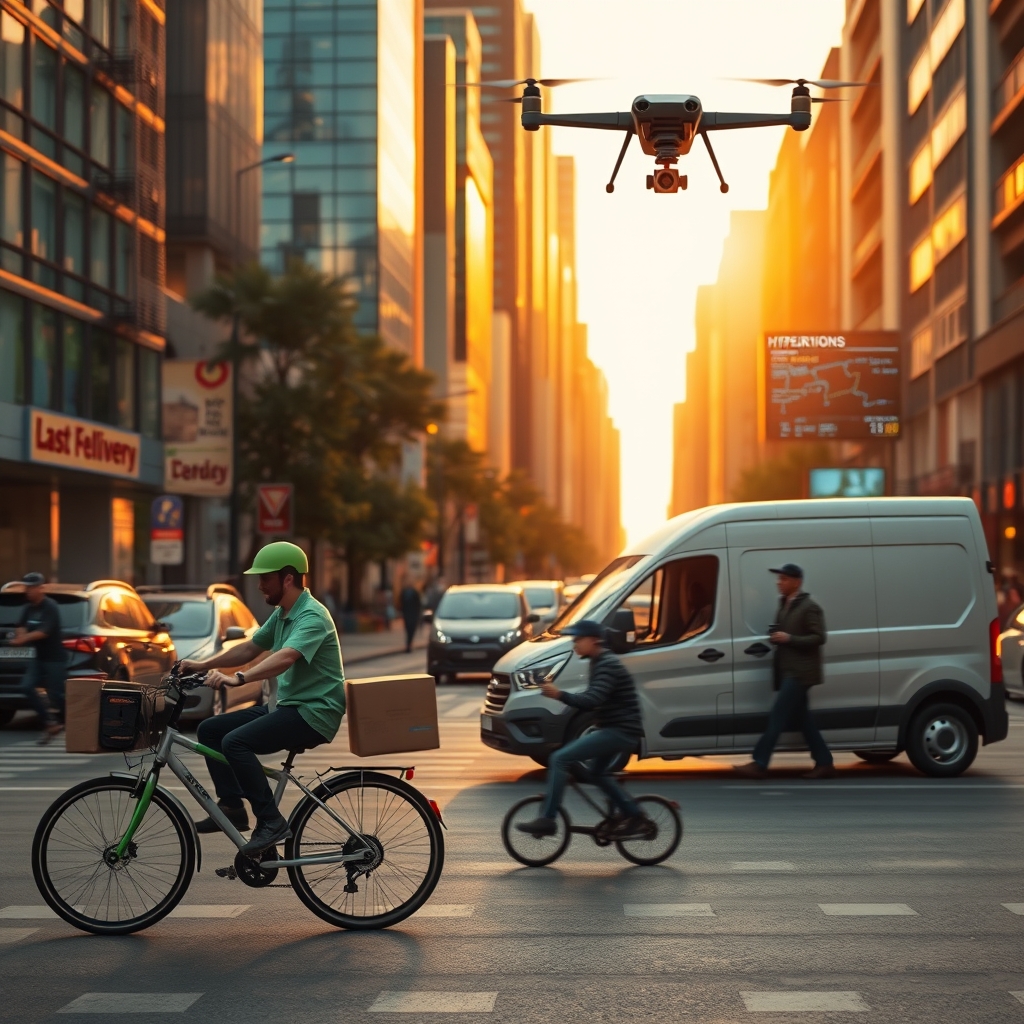
Additionally, hyper-local networks rely on a mix of delivery methods, including bicycles, electric scooters, and even drones, to navigate urban environments quickly and sustainably. These methods not only reduce emissions but also bypass traffic congestion, ensuring that deliveries arrive on time, every time. The integration of digital proof of delivery and real-time tracking further enhances transparency, allowing customers to monitor their orders from the moment they leave the warehouse until they arrive at their doorstep.
Efficient Route Optimization: The Key to Faster, Smarter Deliveries
While hyper-local networks address the spatial challenges of last-mile delivery, efficient route optimization tackles the temporal ones. Route optimization software uses AI and real-time data to calculate the most efficient paths for delivery vehicles, taking into account factors like traffic conditions, weather, road closures, and even driver availability. This technology ensures that deliveries are not only faster but also more cost-effective and environmentally friendly.
For instance, a courier company in London can use route optimization to plan deliveries in a way that minimizes fuel consumption and reduces idle time. By dynamically adjusting routes based on real-time traffic updates, the system can reroute drivers to avoid congestion, ensuring that packages arrive on schedule. This level of efficiency is particularly critical for time-sensitive deliveries, such as medical supplies or perishable goods, where delays can have serious consequences.
Sustainability Meets Efficiency
Efficient route optimization doesn’t just benefit businesses—it also plays a crucial role in promoting sustainability. By reducing the number of miles traveled and optimizing vehicle loads, companies can significantly lower their carbon emissions. This aligns with the growing consumer demand for eco-friendly delivery options, as more people prioritize sustainability in their purchasing decisions.
Moreover, route optimization can be combined with other sustainable practices, such as using electric vehicles (EVs) or consolidating deliveries to reduce the number of trips. For example, a delivery company might use route optimization to group multiple orders heading to the same neighborhood, ensuring that a single EV makes all the deliveries in one trip. This not only cuts emissions but also reduces operational costs, creating a win-win scenario for businesses and the environment.
The Customer-Centric Approach: Personalization and Transparency
In today’s competitive logistics landscape, customer expectations are higher than ever. Consumers don’t just want fast deliveries—they want personalized, transparent, and hassle-free experiences. Hyper-local networks and route optimization are powerful tools, but their true value lies in how they enhance the customer experience.
Personalized logistics communication is one way businesses are meeting these expectations. By leveraging data analytics, companies can tailor delivery notifications, offer flexible delivery windows, and even provide real-time updates via chatbots or mobile apps. For example, a customer might receive a text message with a live tracking link, allowing them to see exactly where their package is and when it will arrive. This level of transparency builds trust and reduces the anxiety often associated with waiting for a delivery.
Frictionless Returns and Responsive Support
Another critical aspect of customer-centric logistics is frictionless returns management. Returns are an inevitable part of e-commerce, and how a company handles them can make or break the customer experience. Hyper-local networks simplify the returns process by allowing customers to drop off unwanted items at nearby fulfillment centers or retail stores. Automated systems can then process these returns quickly, issuing refunds or replacements without unnecessary delays.
Responsive logistics support further enhances the customer experience by providing real-time assistance. Whether it’s a chatbot answering questions about delivery times or a customer service representative resolving an issue with a missing package, responsive support ensures that customers feel valued and heard. This level of service is particularly important in an era where a single negative experience can lead to lost business and damaged reputations.
The Future of Last-Mile Delivery
As technology continues to evolve, the future of last-mile delivery looks brighter than ever. Innovations like predictive delivery analytics, dynamic delivery scheduling, and contactless delivery experiences are already reshaping the industry. Predictive analytics, for example, can forecast demand with remarkable accuracy, allowing businesses to proactively adjust their logistics strategies. Dynamic scheduling, on the other hand, enables companies to offer same-day or even same-hour deliveries by optimizing delivery windows in real time.
Contactless delivery, which gained popularity during the COVID-19 pandemic, is also here to stay. By minimizing physical interaction between delivery personnel and customers, contactless delivery enhances safety and convenience. This method is particularly appealing to busy urban dwellers who value speed and efficiency. Combined with digital proof of delivery, contactless options provide a seamless and secure way to receive packages without the need for signatures or in-person exchanges.
The logistics industry is at a crossroads, where efficiency, sustainability, and customer satisfaction intersect. Hyper-local delivery networks and efficient route optimization are not just trends—they are the foundation of a new era in logistics. By embracing these innovations, businesses can deliver faster, smarter, and more sustainably, while also meeting the ever-growing demands of today’s consumers. The last mile is no longer a challenge to overcome but an opportunity to redefine what’s possible in the world of delivery, where every package arrives not just on time, but with purpose and precision.