The Future of Logistics: How Technology is Redefining the Last Mile Delivery Experience
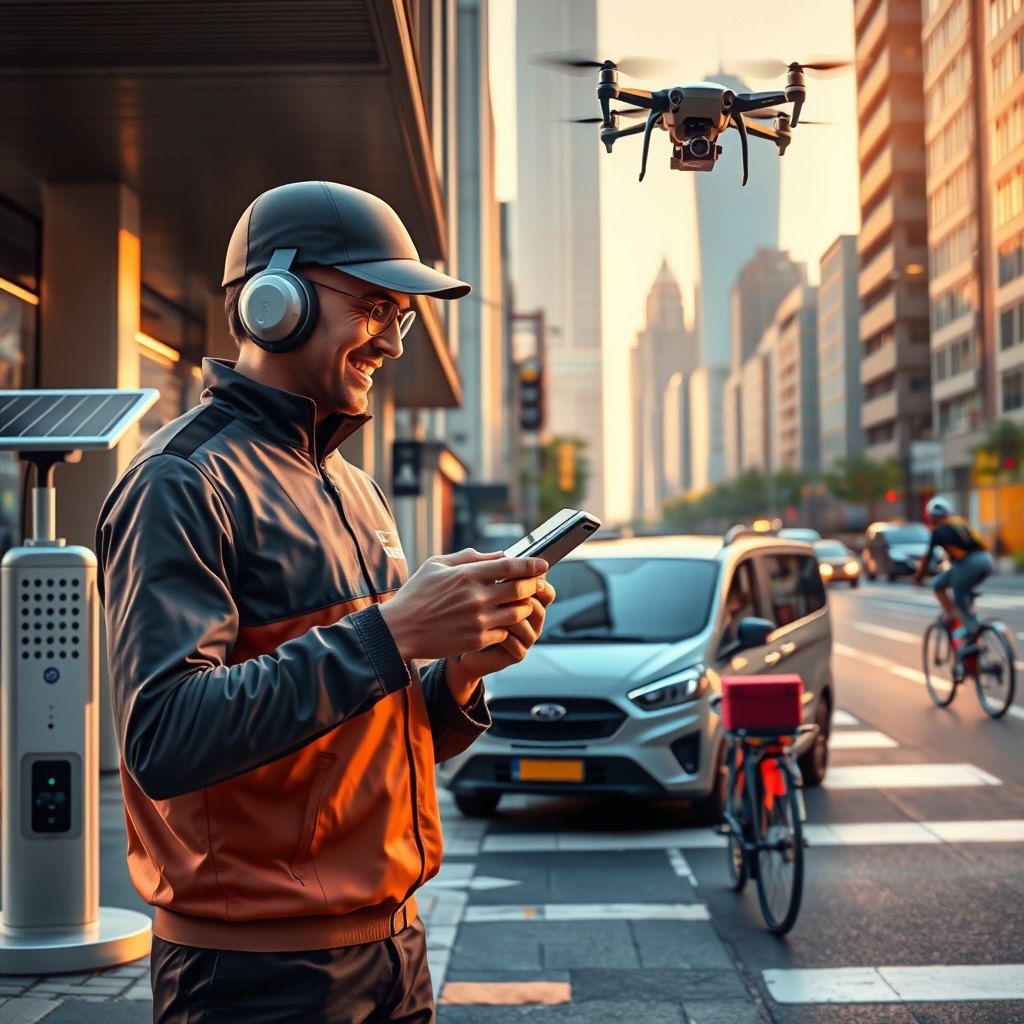
The logistics industry is undergoing a transformative shift, driven by technological advancements and evolving consumer expectations. At the heart of this revolution lies the last mile delivery—the final leg of the supply chain that directly impacts customer satisfaction. Businesses are now prioritizing optimized last mile delivery to ensure speed, efficiency, and reliability, while also addressing sustainability and transparency. This evolution is not just about getting packages from point A to point B; it’s about creating a customer-centric logistics experience that builds trust and loyalty.
The Rise of Real-Time Tracking and Transparency
One of the most significant advancements in modern logistics is the real-time tracking experience. Customers no longer want to wait in the dark, wondering when their package will arrive. Instead, they demand visibility at every stage of the delivery process. Advanced GPS tracking, IoT-enabled sensors, and AI-driven platforms provide transparent shipment updates, allowing customers to monitor their orders in real time. This level of transparency not only enhances the customer experience but also reduces anxiety and improves overall satisfaction.
Moreover, businesses are leveraging personalized logistics communication to keep customers informed. Automated notifications via SMS, email, or app alerts ensure that recipients are aware of delivery windows, delays, or any changes in their shipment status. This proactive approach minimizes missed deliveries and fosters a sense of control, making the entire process more seamless and user-friendly.
Sustainability: A Core Pillar of Modern Delivery Solutions
As environmental concerns take center stage, sustainable delivery solutions are becoming a non-negotiable aspect of logistics. Companies are adopting eco-friendly practices such as electric delivery vehicles, route optimization to reduce fuel consumption, and carbon-neutral shipping options. These initiatives not only help reduce the carbon footprint but also resonate with environmentally conscious consumers who prefer brands that align with their values.
Additionally, hyper-local delivery networks are gaining traction as a way to minimize emissions and improve efficiency. By partnering with local couriers or establishing micro-fulfillment centers, businesses can ensure faster deliveries while reducing the environmental impact of long-distance transportation. This shift toward sustainability is not just a trend—it’s a fundamental change in how logistics operations are designed and executed.
Automation and Efficiency in Fulfillment and Returns
The automated fulfillment process is another game-changer in the logistics landscape. Warehouses equipped with robotics, AI-driven sorting systems, and automated inventory management can process orders faster and with greater accuracy. This reduces human error, speeds up order fulfillment, and ensures that customers receive their packages on time. Automation also extends to frictionless returns management, where customers can initiate returns effortlessly through user-friendly portals, and businesses can process them efficiently, reducing costs and improving customer retention.
Efficiency is further enhanced through predictive delivery analytics, which uses machine learning to forecast demand, optimize routes, and anticipate potential delays. By analyzing historical data and real-time variables such as traffic, weather, and delivery volumes, logistics providers can make data-driven decisions that improve delivery times and reduce operational costs. This level of precision is crucial in meeting the growing demand for same-day and next-day deliveries.
Enhancing the Customer Experience with Innovative Solutions
The modern consumer expects more than just fast deliveries—they want a seamless courier interaction and a hassle-free experience. Digital proof of delivery (ePOD) systems, for instance, allow customers to receive instant confirmation of their delivery through digital signatures, photos, or QR code scans. This eliminates disputes, enhances accountability, and provides a clear record of the transaction.
Another innovation gaining popularity is dynamic delivery scheduling, which allows customers to choose delivery time slots that suit their schedules. This flexibility is particularly valuable for busy individuals who may not be available during standard delivery hours. Coupled with contactless delivery experiences, where packages are left at secure locations or delivered without physical interaction, these solutions cater to the needs of today’s fast-paced, health-conscious consumers.
The Role of Value-Added Services in Logistics
Beyond the core delivery process, businesses are increasingly offering value-added packaging and services to differentiate themselves. Customized packaging, gift wrapping, and branded unboxing experiences add a personal touch that enhances customer satisfaction. Some companies even provide assembly services or installation support, turning a simple delivery into a premium experience.
Logistics providers are also focusing on responsive logistics support to address customer queries and concerns promptly. AI-powered chatbots, 24/7 customer service, and self-service portals ensure that help is always available, further improving the overall experience. These value-added services not only drive customer loyalty but also open up new revenue streams for businesses.
Scalability and Integration: The Backbone of Future-Ready Logistics
As businesses grow, their logistics operations must scale accordingly. Scalable distribution models allow companies to expand their reach without compromising efficiency. Whether it’s through partnerships with third-party logistics providers (3PLs) or the adoption of cloud-based logistics platforms, scalability ensures that businesses can handle increased order volumes during peak seasons or sudden spikes in demand.
Integration is another critical factor in modern logistics. Integrated inventory visibility across multiple channels—such as e-commerce platforms, brick-and-mortar stores, and warehouses—ensures that businesses have a real-time view of their stock levels. This prevents overstocking or stockouts, reduces operational costs, and improves order accuracy. When combined with efficient route optimization, businesses can achieve a level of operational excellence that was previously unattainable.
The logistics industry is no longer just about moving goods—it’s about creating an end-to-end experience that delights customers at every touchpoint. From real-time tracking and sustainable delivery solutions to automation and personalized communication, technology is reshaping how businesses approach the last mile. As consumer expectations continue to evolve, companies that embrace these innovations will not only stay ahead of the competition but also build lasting relationships with their customers. The future of logistics is here, and it’s smarter, faster, and more customer-centric than ever before.