Orchestrating the Future: How Dynamic Delivery Scheduling and Contactless Experiences Are Redefining Last Mile Logistics
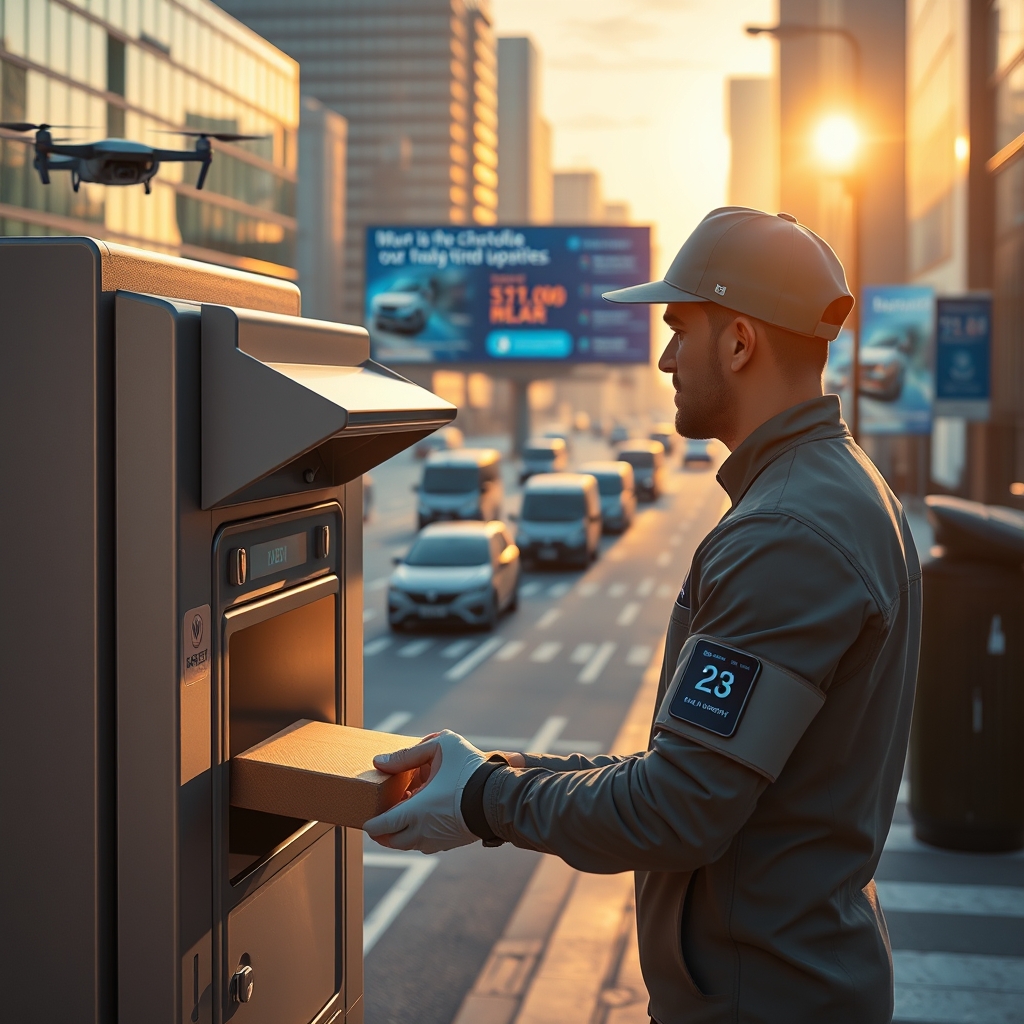
The modern consumer doesn’t just want their package delivered—they want it delivered on their terms. The era of rigid delivery windows and ambiguous ETAs is fading, replaced by a new paradigm where flexibility, precision, and seamless interaction define the last mile experience. At the heart of this transformation lies a powerful combination of dynamic delivery scheduling and contactless experiences, two innovations that are reshaping how businesses and customers engage with logistics.
The Rise of Dynamic Delivery Scheduling
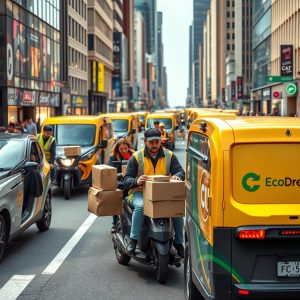
Static delivery slots are becoming relics of the past. Today’s logistics platforms leverage real-time data, predictive analytics, and machine learning to offer dynamic delivery scheduling—an adaptive system that adjusts delivery windows based on traffic patterns, weather conditions, driver availability, and even customer preferences. This isn’t just about convenience; it’s about efficiency at scale.
For businesses, dynamic scheduling reduces operational costs by optimizing routes and minimizing idle time. For customers, it means receiving their orders at a time that aligns with their daily routines, whether that’s during a lunch break, after work, or even on weekends. The result? Fewer missed deliveries, higher satisfaction rates, and a logistics experience that feels tailored to individual lifestyles.
How Predictive Analytics Powers Flexibility
The magic behind dynamic scheduling lies in predictive analytics. By analyzing historical delivery data, traffic trends, and customer behavior, logistics platforms can forecast the most efficient delivery windows with remarkable accuracy. This allows couriers to proactively adjust routes and schedules, avoiding bottlenecks and ensuring timely arrivals.
For example, a retailer using predictive analytics might identify that deliveries to a particular neighborhood are frequently delayed due to afternoon traffic. The system can then automatically schedule those deliveries for earlier in the day, reducing the likelihood of delays and improving the overall customer experience. This level of foresight transforms logistics from a reactive process into a proactive, customer-centric operation.
The Contactless Delivery Revolution
Contactless delivery was once a niche offering, but the global shift toward digital-first interactions has turned it into a standard expectation. Customers now demand minimal physical interaction, maximum convenience, and complete control over their delivery experience. Contactless delivery meets these demands by eliminating the need for in-person signatures, enabling digital proof of delivery, and offering secure drop-off options like smart lockers or designated safe zones.
This approach isn’t just about safety—it’s about trust. Digital proof of delivery, for instance, provides customers with real-time updates and photographic evidence of their package’s condition upon arrival. This transparency builds confidence in the delivery process, reducing disputes and enhancing the overall experience. Meanwhile, automated notifications keep customers informed every step of the way, from dispatch to doorstep, ensuring they’re never left in the dark.
Seamless Courier Interaction in a Digital World
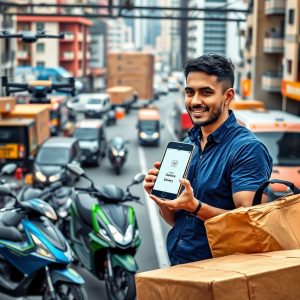
While contactless delivery minimizes physical interaction, it doesn’t eliminate the need for seamless communication between couriers and customers. Modern logistics platforms bridge this gap with user-friendly portals, chatbots, and automated messaging systems that allow customers to reschedule deliveries, provide special instructions, or track their packages in real time.
For instance, a customer who realizes they won’t be home during the scheduled delivery window can easily reschedule via a mobile app, selecting a new time that works for them. Couriers, in turn, receive these updates instantly, ensuring they’re always aligned with the customer’s preferences. This level of responsiveness transforms logistics from a one-size-fits-all service into a personalized, customer-driven experience.
The Synergy of Dynamic Scheduling and Contactless Delivery
Individually, dynamic delivery scheduling and contactless experiences are powerful tools. Together, they create a logistics ecosystem that is not only efficient but also deeply customer-centric. Imagine a scenario where a customer receives a notification that their package will arrive between 2:00 PM and 4:00 PM. As the delivery window approaches, the system detects unexpected traffic delays and automatically adjusts the ETA, sending the customer an updated notification. Upon arrival, the courier leaves the package in a designated safe spot, captures a photo as proof of delivery, and sends a final confirmation—all without a single in-person interaction.
This seamless integration of flexibility and convenience is what sets modern logistics apart. It’s no longer just about getting a package from point A to point B; it’s about creating an experience that feels effortless, transparent, and tailored to the customer’s needs. Businesses that embrace this approach aren’t just delivering packages—they’re delivering peace of mind.
Sustainability and Scalability: The Hidden Benefits
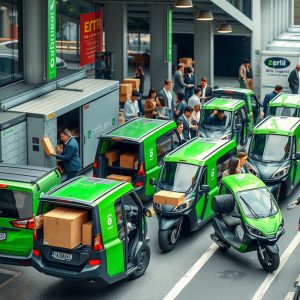
Beyond customer satisfaction, dynamic scheduling and contactless delivery also contribute to sustainability and scalability. By optimizing routes and reducing failed delivery attempts, businesses can lower their carbon footprint and operational costs. Meanwhile, the scalability of these systems allows logistics providers to handle increasing order volumes without compromising on service quality, making them ideal for both small businesses and large enterprises.
The future of last mile logistics isn’t just about speed—it’s about intelligence. It’s about leveraging technology to create experiences that are as dynamic and adaptable as the customers they serve. As businesses continue to refine these systems, the line between logistics and customer experience will blur, giving rise to a new era where every delivery feels like it was made just for you. The tools are here; the question is how quickly businesses will embrace them to redefine what’s possible in the last mile.