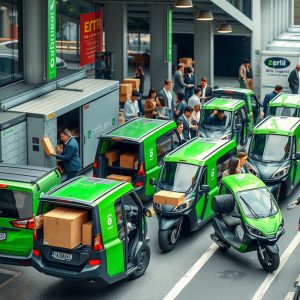
The Strategic Role of Bulk Shipping Discounts and Automated Pickup in Optimizing Corporate Logistics Efficiency
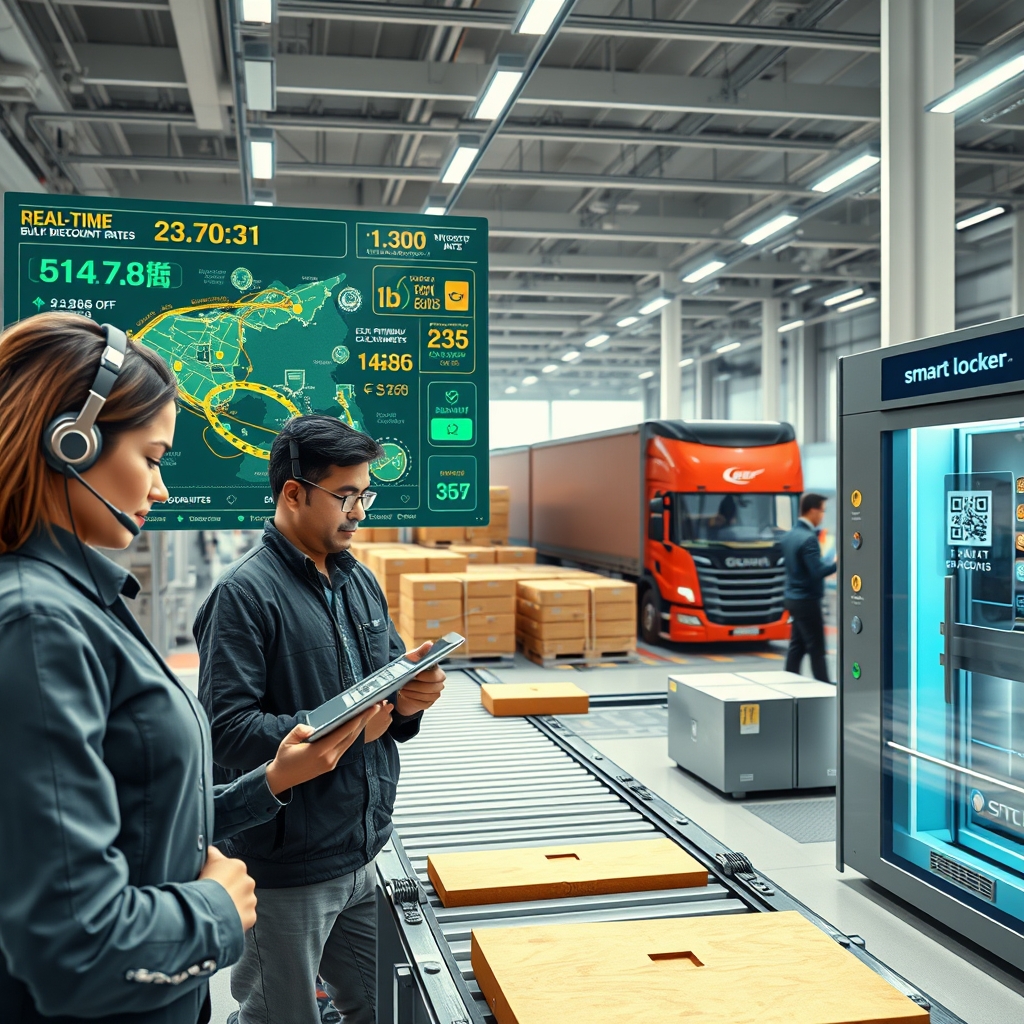
In today’s fast-paced business environment, logistics efficiency isn’t just a competitive advantage—it’s a necessity. Companies are under constant pressure to reduce costs, streamline operations, and meet the ever-growing demands of consumers and partners alike. One of the most effective ways to achieve these goals is by leveraging bulk shipping discounts and automated pickup services, two powerful tools that can transform how businesses manage their supply chains. When combined, these strategies create a seamless, cost-effective logistics framework that enhances scalability, reliability, and sustainability.
The Cost-Saving Power of Bulk Shipping Discounts
For businesses that regularly ship large volumes of goods, bulk shipping discounts are a game-changer. These discounts, offered by major carriers and logistics providers, allow companies to significantly reduce their per-unit shipping costs. The savings can be substantial, especially for e-commerce businesses, manufacturers, and retailers that rely on frequent, high-volume shipments. By consolidating orders and negotiating bulk rates, businesses can lower their overall logistics expenses, freeing up capital for other critical areas of operation.
Beyond the immediate financial benefits, bulk shipping also contributes to operational efficiency. Fewer individual shipments mean reduced handling, lower administrative overhead, and minimized risk of delays or errors. This is particularly valuable for businesses with complex supply chains, where even minor inefficiencies can cascade into significant disruptions. Additionally, bulk shipping often aligns with eco-friendly delivery initiatives, as fewer trips translate to a smaller carbon footprint—a win for both the bottom line and the planet.
Automated Pickup: The Backbone of Modern Logistics
While bulk shipping addresses the cost and efficiency of outbound logistics, automated pickup services revolutionize the inbound side of the equation. Traditional parcel pickup processes are often time-consuming, requiring manual coordination, scheduling, and physical presence. Automated pickup eliminates these bottlenecks by integrating technology into the logistics workflow. Businesses can now schedule pickups with a few clicks, track their shipments in real time, and even automate recurring pickups for regular shipments.
The advantages of automated pickup extend beyond convenience. For corporate logistics, it means greater predictability and control over the supply chain. Businesses can optimize their operations by aligning pickup times with production schedules, reducing downtime, and ensuring that goods are moved swiftly from warehouses to distribution centers or end customers. This level of precision is especially critical for industries like manufacturing, healthcare, and retail, where timing can make or break operational success.
Moreover, automated pickup services often integrate seamlessly with other logistics technologies, such as real-time package tracking and smart locker solutions. This creates a unified logistics ecosystem where businesses can monitor, manage, and adjust their shipments on the fly, ensuring that every step of the process is optimized for speed and accuracy.
Synergy in Action: Bulk Shipping Meets Automated Pickup
The true power of these strategies lies in their synergy. When businesses combine bulk shipping discounts with automated pickup, they create a logistics framework that is both cost-effective and highly efficient. For example, a retailer can use automated pickup to collect large orders from suppliers at scheduled intervals, then ship those goods in bulk to distribution centers or directly to customers. This approach minimizes handling, reduces transit times, and maximizes savings—all while maintaining the flexibility to adapt to changing demand.
This synergy is particularly valuable for B2B delivery services, where reliability and cost-efficiency are paramount. Businesses can negotiate bulk rates for their outbound shipments while using automated pickup to streamline inbound logistics. The result is a leaner, more agile supply chain that can scale with demand without sacrificing quality or profitability. Additionally, the integration of eco-friendly delivery practices ensures that these efficiencies don’t come at the expense of sustainability, aligning with the growing demand for responsible business practices.
Scaling with Technology: The Future of Corporate Logistics
The logistics landscape is evolving rapidly, driven by advancements in technology and shifting consumer expectations. Businesses that embrace tools like bulk shipping discounts and automated pickup are not only optimizing their current operations but also future-proofing their logistics strategies. For instance, the rise of AI-driven logistics platforms and predictive analytics is making it easier than ever to identify cost-saving opportunities, optimize routes, and automate repetitive tasks. These innovations complement bulk shipping and automated pickup, creating a logistics ecosystem that is smarter, faster, and more responsive.
Another emerging trend is the use of smart lockers and contactless package drop-off solutions, which further enhance the efficiency of automated pickup. Businesses can use these technologies to create flexible, self-service pickup and drop-off points, reducing the need for manual intervention and speeding up the logistics process. This is particularly useful in urban areas, where space and time constraints can complicate traditional delivery methods.
Overcoming Challenges: Flexibility and Adaptability
While bulk shipping and automated pickup offer significant benefits, businesses must also navigate potential challenges. For example, bulk shipping requires careful planning to avoid overstocking or underutilizing warehouse space. Similarly, automated pickup systems rely on robust technology infrastructure, which may require upfront investment and training. However, these challenges are outweighed by the long-term benefits, particularly when businesses take a strategic approach to implementation.
Flexibility is key. Businesses should work with logistics providers that offer customizable solutions, allowing them to scale their bulk shipping and automated pickup services as needed. This might include hybrid models that combine scheduled parcel pickup with on-demand courier services, ensuring that businesses can adapt to fluctuations in demand without sacrificing efficiency. Additionally, partnering with providers that offer real-time tracking and nationwide freight shipping can further enhance visibility and control over the supply chain.
As businesses continue to navigate the complexities of modern logistics, the combination of bulk shipping discounts and automated pickup services stands out as a powerful strategy for optimizing efficiency. By reducing costs, streamlining operations, and embracing technology, companies can build a logistics framework that is not only resilient but also adaptable to the demands of an ever-changing market. The result is a supply chain that moves faster, costs less, and delivers more—both for businesses and their customers. The future of logistics isn’t just about speed; it’s about smart, sustainable, and scalable solutions that drive long-term success.