
The Strategic Role of International Parcel Shipping and Real-Time Tracking in Global E-Commerce Expansion
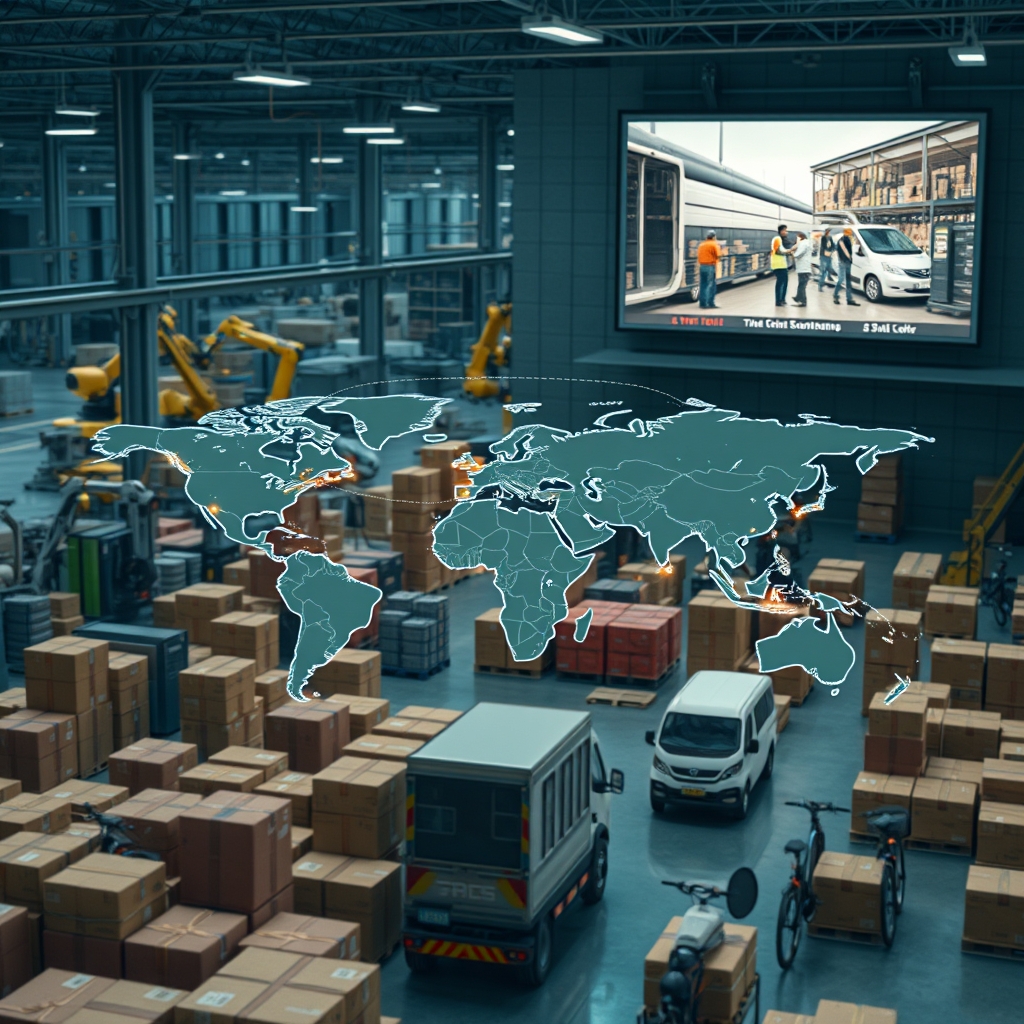
In an era where borders are no longer barriers to commerce, businesses are increasingly looking beyond their domestic markets to tap into the vast potential of global consumers. The backbone of this expansion? A robust logistics framework that seamlessly integrates international parcel shipping with cutting-edge real-time package tracking. Together, these elements are not just facilitating cross-border trade but are redefining the speed, transparency, and reliability that modern e-commerce demands.
The Global Marketplace: Why International Shipping is Non-Negotiable
The rise of e-commerce platforms has democratized retail, allowing even small businesses to reach customers in every corner of the world. However, the ability to sell globally is only half the battle. The real challenge lies in delivering products efficiently and cost-effectively across continents. International parcel shipping has evolved from a logistical afterthought to a strategic imperative, enabling businesses to compete on a global stage. Whether it’s a handcrafted item from a boutique in Paris or a tech gadget from Silicon Valley, customers expect their orders to arrive swiftly, securely, and without exorbitant shipping costs.
Yet, international shipping is fraught with complexities—customs regulations, varying delivery standards, and the sheer distance between sender and recipient. This is where specialized logistics providers step in, offering tailored solutions that navigate these challenges. From express package delivery for urgent shipments to bulk shipping discounts for high-volume orders, businesses now have access to a suite of tools designed to optimize their global supply chains. The result? Faster delivery times, reduced costs, and a competitive edge in markets that were once considered out of reach.
The Power of Real-Time Tracking: Building Trust Across Borders
While speed and cost are critical, they are not the only factors that matter to today’s consumers. Transparency has emerged as a key differentiator in the logistics landscape, and real-time package tracking is at the heart of this shift. Customers no longer want to be left in the dark about the status of their orders. They demand visibility—from the moment their package leaves the warehouse to the second it arrives at their doorstep. This is especially true for international shipments, where delays and uncertainties can erode trust and damage brand reputation.
Advanced tracking technologies, powered by GPS, IoT, and AI, are transforming how businesses and consumers interact with the shipping process. These systems provide granular updates, including estimated delivery times, customs clearance status, and even real-time location data. For businesses, this level of transparency is invaluable. It allows them to proactively manage customer expectations, resolve issues before they escalate, and build a reputation for reliability. For consumers, it offers peace of mind, knowing that their order is in safe hands and on its way.
Beyond Tracking: The Rise of Predictive Logistics
Real-time tracking is just the beginning. The next frontier in logistics is predictive analytics, where data from tracking systems is used to anticipate and mitigate potential disruptions. Imagine a system that can predict delays due to weather, customs hold-ups, or transportation bottlenecks and automatically reroute shipments to avoid them. This is not science fiction—it’s the future of international parcel shipping, and it’s already being adopted by forward-thinking logistics providers.
Predictive logistics doesn’t just improve efficiency; it also enhances the customer experience. By providing accurate, data-driven delivery estimates, businesses can set realistic expectations and reduce the frustration of unexpected delays. This level of service is particularly crucial for high-value or time-sensitive shipments, such as medical supplies, perishable goods, or urgent documents. In a world where every minute counts, predictive logistics is the difference between a satisfied customer and a lost opportunity.
Eco-Friendly Shipping: The Sustainable Path to Global Expansion
As businesses expand their global footprint, they are also facing increasing pressure to adopt sustainable practices. The environmental impact of international parcel shipping is significant, with carbon emissions from air freight and long-haul transportation contributing to climate change. However, the logistics industry is rising to the challenge, with innovations that prioritize eco-friendly delivery without compromising on speed or efficiency.
One of the most promising developments is the shift toward greener transportation modes. For example, ocean freight, while slower than air freight, produces significantly lower emissions per ton of cargo. Businesses are also exploring hybrid shipping models, where long-distance transportation is handled by sea or rail, and last mile delivery is managed by local courier services using electric vehicles or bicycles. Additionally, logistics providers are investing in carbon offset programs, allowing businesses to neutralize the environmental impact of their shipments.
Sustainability is no longer just a buzzword—it’s a business imperative. Consumers, particularly in markets like Europe and North America, are increasingly prioritizing brands that demonstrate a commitment to environmental responsibility. By adopting eco-friendly shipping practices, businesses can not only reduce their carbon footprint but also appeal to a growing segment of environmentally conscious customers. This dual benefit makes sustainability a strategic advantage in the competitive world of global e-commerce.
The Role of Smart Logistics in Global Expansion
The integration of technology into logistics is not just about tracking and sustainability—it’s also about creating smarter, more adaptive supply chains. Smart logistics leverages data, automation, and AI to optimize every stage of the shipping process, from warehouse management to on-demand drop-off and scheduled parcel pick-up. For businesses expanding internationally, these tools are indispensable.
For instance, AI-driven route optimization can reduce delivery times and fuel consumption, while automated warehouses can process orders faster and with fewer errors. Smart lockers and contactless package drop-off options provide customers with flexible delivery choices, enhancing convenience and satisfaction. Meanwhile, B2B delivery services equipped with real-time tracking and predictive analytics enable businesses to manage their global supply chains with unprecedented precision.
As global e-commerce continues to grow, the businesses that thrive will be those that embrace these innovations. The combination of international parcel shipping and real-time tracking is not just a logistical necessity—it’s a strategic asset that can unlock new markets, build customer loyalty, and drive long-term growth. The world is more connected than ever, and the businesses that master the art of global logistics will be the ones that lead the charge into the future.
The journey of a package from a warehouse in Shanghai to a doorstep in New York is no longer just a transaction—it’s a testament to the power of modern logistics. Every step, from the initial click to the final delivery, is an opportunity to exceed expectations, build trust, and create a seamless experience that transcends borders. In this global marketplace, the businesses that prioritize speed, transparency, and sustainability will not only meet the demands of today’s consumers but will shape the future of commerce itself.