Beyond Speed: How Customer-Centric Logistics is Transforming the Delivery Experience
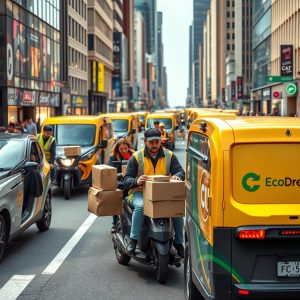
The modern consumer doesn’t just want their package fast—they want it delivered on their terms. The rise of e-commerce has shifted expectations from mere speed to a holistic, personalized, and transparent delivery experience. Businesses that recognize this shift are redefining logistics by placing the customer at the heart of every decision, from the warehouse to the doorstep. This evolution is not just about efficiency; it’s about building trust, loyalty, and a seamless interaction that feels almost invisible to the end user.
The Power of Real-Time Transparency
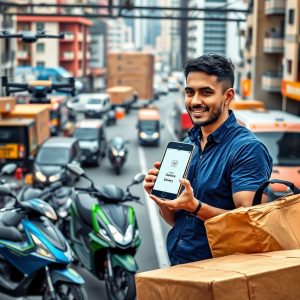
Gone are the days when customers were left in the dark about their shipment’s whereabouts. Today, real-time tracking experiences have become a non-negotiable standard. Advanced logistics platforms now provide granular visibility, allowing customers to monitor their packages in real time, from the moment an order is processed to the second it arrives at their door. This level of transparency does more than just satisfy curiosity—it reduces anxiety, builds confidence, and sets clear expectations.
But transparency isn’t just about location tracking. Transparent shipment updates extend to proactive notifications about delays, rerouting, or even weather-related disruptions. By keeping customers informed at every stage, businesses can turn potential frustrations into opportunities for engagement. For instance, a simple SMS alert about a delayed delivery, coupled with an estimated new arrival time, can transform a negative experience into a positive one. The key lies in communication that is timely, accurate, and empathetic.
Personalization: The New Frontier in Logistics
In an era where consumers expect brands to understand their preferences, personalized logistics communication is emerging as a game-changer. No longer is delivery a one-size-fits-all process. Customers now want the ability to customize their delivery experience—whether it’s choosing a specific time slot, selecting a preferred drop-off location, or even opting for contactless delivery for added safety and convenience.
Dynamic delivery scheduling takes this a step further by leveraging AI and predictive analytics to offer flexible options tailored to individual needs. For example, a customer who frequently orders groceries might appreciate a recurring delivery slot, while someone ordering a last-minute gift might prioritize same-day delivery. By analyzing past behavior and preferences, logistics providers can anticipate needs and offer solutions before the customer even asks.
This level of personalization extends to value-added packaging as well. Brands are increasingly using packaging as an opportunity to enhance the unboxing experience, whether through eco-friendly materials, branded inserts, or even personalized notes. These small touches not only delight customers but also reinforce brand loyalty in a competitive market.
Sustainability as a Competitive Advantage
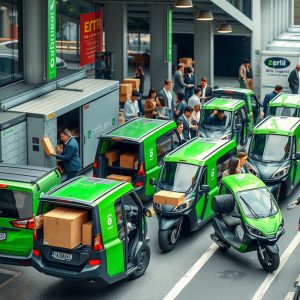
As environmental concerns take center stage, sustainable delivery solutions are no longer just a moral imperative—they’re a business necessity. Consumers are increasingly drawn to brands that prioritize eco-friendly practices, from efficient route optimization to reduce carbon emissions to the use of electric vehicles and biodegradable packaging. Companies that embrace sustainability are not only reducing their environmental footprint but also appealing to a growing segment of conscious consumers.
Hyper-local delivery networks are another innovative approach to sustainability. By leveraging local warehouses and distribution centers, businesses can shorten delivery distances, reduce fuel consumption, and support local economies. This model not only speeds up delivery times but also aligns with the broader push toward decentralized, resilient supply chains.
The Role of Technology in Frictionless Experiences
At the core of customer-centric logistics is technology. Automated fulfillment processes streamline operations, reducing human error and accelerating order processing. Robotics and AI-driven systems can pick, pack, and sort orders with precision, ensuring that customers receive the right products on time, every time. Meanwhile, predictive delivery analytics enable businesses to forecast demand, optimize inventory, and prevent stockouts, further enhancing the customer experience.
Another critical aspect of modern logistics is frictionless returns management. Returns are an inevitable part of e-commerce, but they don’t have to be a hassle. By implementing user-friendly return portals, prepaid return labels, and seamless courier interactions, businesses can turn a potentially negative experience into a positive one. A smooth returns process not only builds trust but also encourages repeat purchases, as customers feel confident that they can easily return or exchange items if needed.
Digital proof of delivery (DPOD) is another technological innovation that enhances transparency and accountability. By capturing electronic signatures, photos, or GPS coordinates at the point of delivery, businesses can provide irrefutable evidence that a package was delivered as promised. This not only reduces disputes but also adds an extra layer of security for both the customer and the business.
Scalability and the Future of Logistics
The ability to scale efficiently is a defining characteristic of successful logistics operations. Scalable distribution models allow businesses to handle fluctuations in demand without compromising on service quality. Whether it’s peak holiday seasons or unexpected surges in orders, a flexible logistics infrastructure ensures that customers continue to receive the same level of reliability and speed.
Integrated inventory visibility plays a crucial role in scalability. By maintaining real-time visibility across all warehouses and distribution centers, businesses can optimize stock levels, reduce overstocking or stockouts, and ensure that products are always available when and where they’re needed. This level of control is essential for meeting customer expectations in an increasingly fast-paced market.
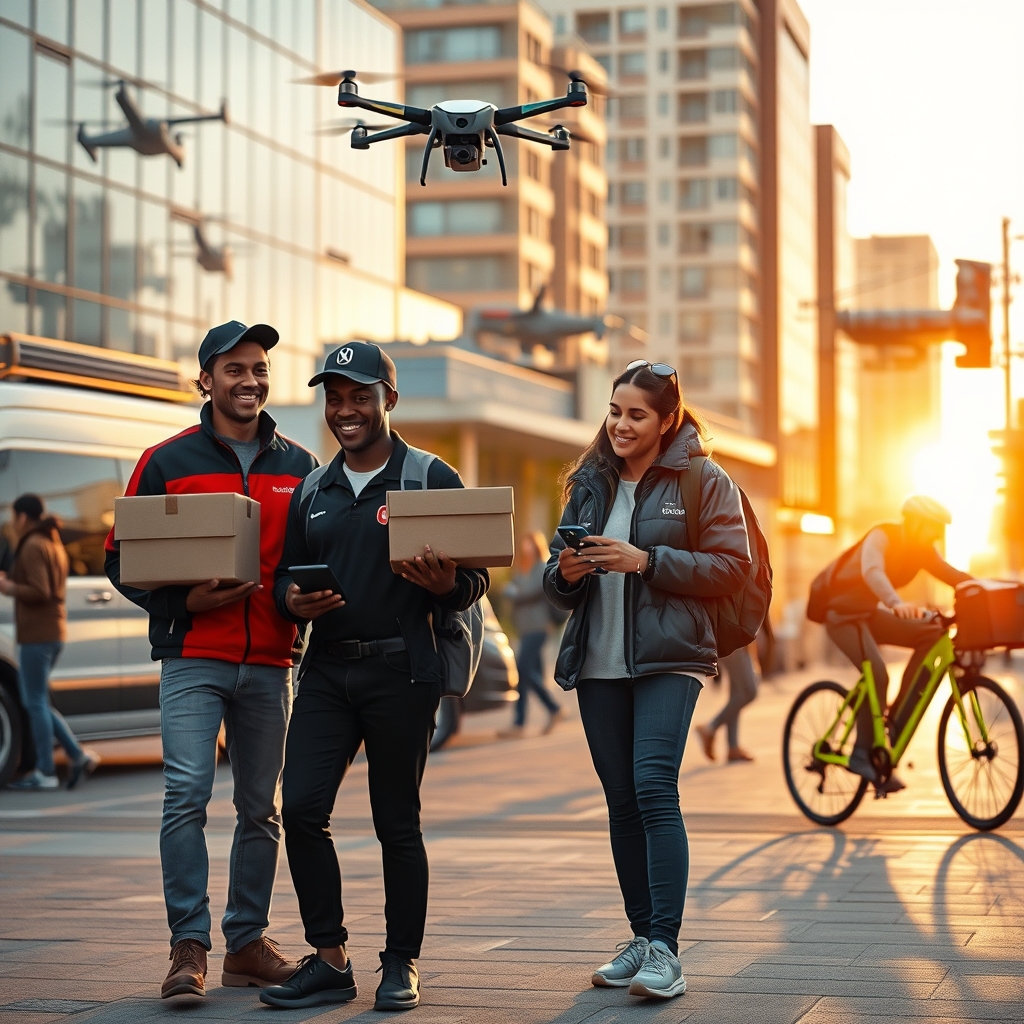
As logistics continues to evolve, the focus will remain on creating experiences that are not just efficient but also deeply human. The brands that succeed will be those that recognize delivery is no longer just a transaction—it’s an opportunity to connect, engage, and build lasting relationships. By embracing technology, sustainability, and personalization, businesses can transform logistics from a behind-the-scenes operation into a powerful driver of customer satisfaction and loyalty. The future of delivery isn’t just about getting packages from point A to point B; it’s about creating moments that matter, one shipment at a time.