
The Pulse of Progress: How Predictive Delivery Analytics and Hyper-Local Networks Are Redefining Urban Logistics
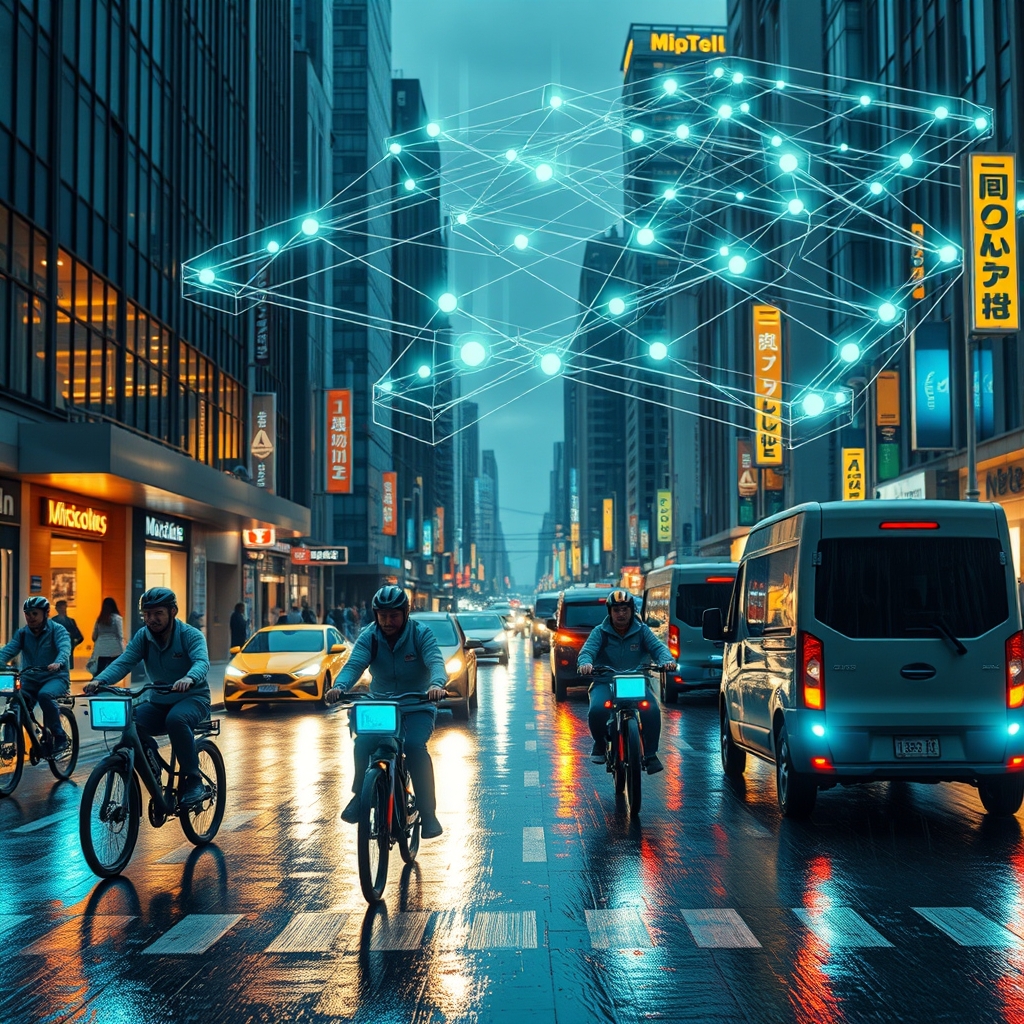
In the heart of bustling cities, where the rhythm of life moves at an unrelenting pace, the logistics industry is undergoing a transformation that is as silent as it is profound. The last mile—the final leg of a delivery’s journey—has long been the most complex and costly segment of the supply chain. Yet, today, it is also the most dynamic, driven by innovations that are reshaping how goods move from warehouses to doorsteps. At the forefront of this evolution are predictive delivery analytics and hyper-local delivery networks, two forces that are not only optimizing efficiency but also redefining the very fabric of urban logistics.
The Power of Prediction: Analytics as the New Logistics Compass
Imagine a world where deliveries arrive not just on time, but at the precise moment a customer is ready to receive them. This is no longer a distant dream but a tangible reality, thanks to the rise of predictive delivery analytics. By harnessing vast amounts of data—from traffic patterns and weather conditions to historical delivery times and customer behavior—logistics providers can now anticipate delays, optimize routes, and even predict the best delivery windows with remarkable accuracy.
Predictive analytics does more than just improve efficiency; it transforms the customer experience. No longer do recipients need to block out entire days waiting for a package. Instead, they receive real-time updates that narrow down delivery windows to mere hours, or even minutes. This level of precision not only reduces frustration but also builds trust, as customers come to rely on the seamless, almost intuitive nature of their delivery experiences. For businesses, the benefits are equally compelling. Reduced failed delivery attempts mean lower operational costs, while improved customer satisfaction translates into higher retention rates and brand loyalty.
From Data to Decisions: How Analytics Drives Smarter Logistics
The magic of predictive analytics lies in its ability to turn raw data into actionable insights. Machine learning algorithms analyze patterns in delivery performance, identifying bottlenecks and inefficiencies that might otherwise go unnoticed. For example, a sudden spike in delivery times in a particular neighborhood could trigger an investigation into traffic congestion or roadworks, allowing logistics teams to reroute drivers proactively. Similarly, predictive models can forecast demand surges, enabling companies to allocate resources more effectively and avoid overloading their networks during peak periods.
But the true power of analytics extends beyond mere optimization. It enables logistics providers to adopt a proactive rather than reactive approach. Instead of scrambling to address issues as they arise, companies can anticipate challenges before they occur, ensuring smoother operations and a more reliable service. This shift from firefighting to foresight is what sets modern logistics apart, turning the last mile from a logistical headache into a competitive advantage.
The Rise of Hyper-Local: Bringing Logistics Closer to Home
While predictive analytics is revolutionizing how deliveries are managed, hyper-local delivery networks are redefining where they originate. In an era where speed is king, the ability to fulfill orders from locations just minutes away from the customer is a game-changer. Hyper-local networks leverage micro-fulfillment centers, urban warehouses, and even retail stores to create a decentralized logistics ecosystem that slashes delivery times and reduces carbon footprints.
This model is particularly transformative for urban areas, where traffic congestion and dense populations can make traditional delivery routes inefficient. By positioning inventory closer to the end consumer, companies can bypass many of the challenges associated with last-mile delivery. A package no longer needs to travel across the city when it can be dispatched from a nearby hub, cutting delivery times from days to hours—or even minutes. For time-sensitive deliveries, such as groceries or medical supplies, this can be the difference between a satisfied customer and a missed opportunity.
Sustainability Meets Speed: The Dual Benefits of Hyper-Local Networks
Beyond speed, hyper-local delivery networks offer a compelling sustainability story. Shorter delivery routes mean fewer miles driven, which translates into lower fuel consumption and reduced emissions. In an age where consumers are increasingly conscious of their environmental impact, this is a powerful selling point. Companies that embrace hyper-local logistics can position themselves as leaders in sustainable delivery solutions, appealing to eco-conscious customers while also reducing their own operational costs.
Moreover, hyper-local networks enable greater flexibility in delivery options. Customers can choose from a range of services, from same-day delivery to scheduled time slots, all while knowing that their order is being fulfilled in the most efficient and environmentally friendly way possible. This level of customization not only enhances the customer experience but also fosters a sense of partnership between the consumer and the brand, as both work together to minimize waste and maximize convenience.
The Synergy of Analytics and Hyper-Local Networks
Individually, predictive delivery analytics and hyper-local networks are powerful tools. Together, they create a logistics ecosystem that is greater than the sum of its parts. Predictive analytics can identify the optimal locations for hyper-local hubs, ensuring that inventory is positioned where it is most needed. Conversely, hyper-local networks generate vast amounts of data that can be fed back into predictive models, refining their accuracy and enhancing their ability to forecast demand and optimize routes.
This synergy is particularly evident in the rise of dynamic delivery scheduling, where algorithms adjust delivery windows in real-time based on traffic, weather, and other variables. For example, a hyper-local hub might receive an alert from a predictive model indicating that a particular route is likely to experience delays due to an upcoming storm. The system can then automatically reroute deliveries or adjust time slots, ensuring that customers are kept informed and that packages arrive as promised. This level of responsiveness is what sets modern logistics apart, turning the last mile into a seamless, almost effortless experience.
As urbanization continues to accelerate, the demands on logistics providers will only grow. Customers expect faster, more reliable, and more sustainable delivery options, and businesses must adapt or risk being left behind. The combination of predictive delivery analytics and hyper-local networks offers a blueprint for the future—one where logistics is not just a means to an end, but a strategic advantage that drives customer loyalty, operational efficiency, and environmental responsibility. In this new era, the last mile is no longer a challenge to be overcome, but an opportunity to be seized, a chance to redefine what it means to deliver not just packages, but exceptional experiences.