The Art of Precision: How Efficient Route Optimization and Contactless Delivery Are Redefining Last Mile Logistics
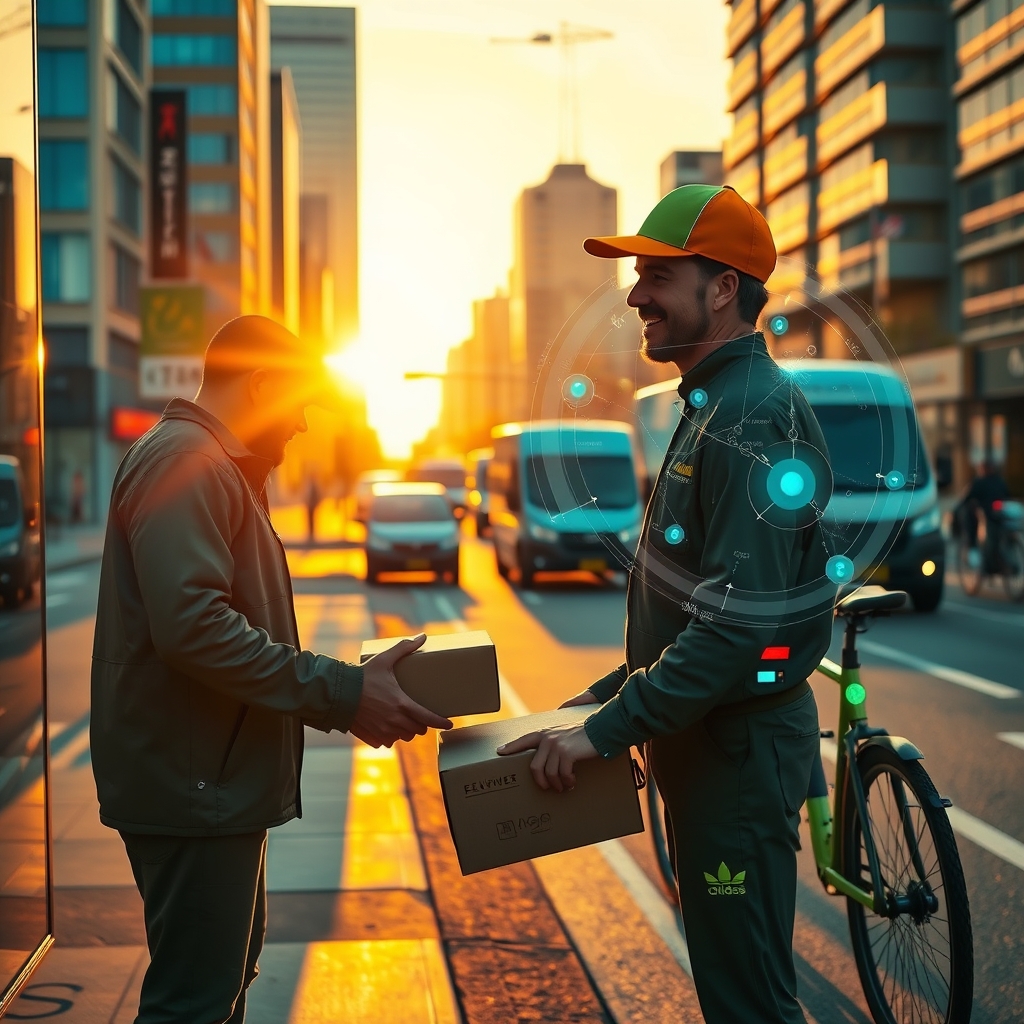
The modern consumer doesn’t just want their package delivered—they want it delivered with precision, speed, and a touch of personalization. The last mile of delivery, often the most complex and costly segment of the logistics chain, has become the battleground where businesses win or lose customer loyalty. At the heart of this transformation lies a powerful duo: efficient route optimization and the contactless delivery experience. Together, they are not just reshaping how packages move from warehouses to doorsteps but are redefining what it means to deliver with excellence.
The Science Behind Efficient Route Optimization
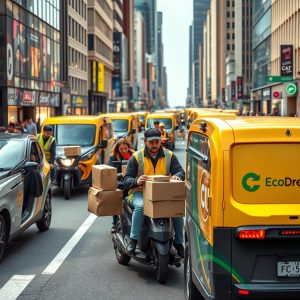
Imagine a delivery driver navigating a bustling city, juggling dozens of stops, unpredictable traffic, and ever-changing delivery windows. Without the right tools, this scenario is a logistical nightmare. Enter route optimization, a technology-driven solution that leverages algorithms, real-time data, and predictive analytics to chart the most efficient path for deliveries. By analyzing factors like traffic patterns, weather conditions, delivery urgency, and even historical data, these systems can reduce travel time, fuel consumption, and operational costs—all while ensuring packages arrive on time.
Companies like Amazon and UPS have long relied on advanced route optimization to streamline their operations. Amazon’s Delivery Service Partners program, for instance, uses machine learning to dynamically adjust routes based on real-time conditions, ensuring drivers spend less time idling in traffic and more time delivering. Similarly, UPS’s ORION (On-Road Integrated Optimization and Navigation) system has reportedly saved the company millions of miles and gallons of fuel annually by optimizing delivery sequences. These aren’t just incremental improvements; they’re game-changers that redefine efficiency in last-mile logistics.
Beyond Efficiency: The Customer-Centric Impact
While route optimization is often discussed in terms of cost savings and operational efficiency, its true power lies in its ability to enhance the customer experience. In an era where consumers expect near-instant gratification, the ability to provide accurate delivery windows, real-time tracking, and proactive updates is no longer a luxury—it’s a necessity. Efficient routing ensures that customers aren’t left waiting for hours or, worse, receiving vague delivery estimates that disrupt their day.
Moreover, route optimization enables businesses to offer more flexible delivery options, such as same-day or time-slot deliveries, which cater to the modern consumer’s desire for convenience. When combined with transparent shipment updates, customers gain a sense of control and trust in the delivery process. They’re no longer left in the dark, wondering when their package will arrive; instead, they’re empowered with real-time insights that keep them informed every step of the way.
The Rise of the Contactless Delivery Experience
The COVID-19 pandemic accelerated a shift that was already underway: the demand for contactless delivery. What began as a health and safety measure has evolved into a standard expectation for consumers worldwide. Today, contactless delivery isn’t just about minimizing physical interaction; it’s about creating a seamless, frictionless experience that respects the customer’s time, space, and preferences.
Contactless delivery solutions leverage technology to eliminate the need for in-person interactions. Digital proof of delivery, automated notifications, and secure drop-off options (such as smart lockers or porch deliveries) ensure that packages are delivered safely and efficiently, even when the recipient isn’t home. Companies like FedEx and DHL have embraced this trend, offering features like photo confirmation of delivery and flexible drop-off locations to enhance the customer experience.
Trust and Convenience in a Contactless World
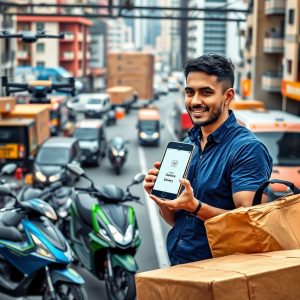
The beauty of contactless delivery lies in its ability to build trust without requiring direct human interaction. Customers appreciate the convenience of not having to coordinate schedules or wait around for a delivery. Instead, they receive a notification when their package arrives, complete with a photo or GPS confirmation, giving them peace of mind that their order has been safely delivered. This level of transparency and reliability fosters long-term loyalty, as customers come to associate the brand with a hassle-free experience.
Furthermore, contactless delivery aligns with the growing demand for sustainable delivery solutions. By reducing the need for multiple delivery attempts (which often happen when recipients aren’t home), businesses can minimize their carbon footprint. This not only appeals to environmentally conscious consumers but also contributes to more efficient logistics operations overall.
The Synergy of Route Optimization and Contactless Delivery
While route optimization and contactless delivery are powerful on their own, their true potential is unlocked when they work in tandem. Efficient routing ensures that deliveries are completed in the most time- and fuel-efficient manner, while contactless solutions enhance the customer experience by making the process as seamless as possible. Together, they create a last-mile logistics ecosystem that is fast, reliable, and customer-centric.
For example, a delivery driver equipped with an optimized route can complete more stops in less time, reducing the likelihood of delays. Meanwhile, contactless delivery options ensure that even if a customer isn’t home, the package can still be delivered securely, eliminating the need for redelivery attempts. This synergy not only improves operational efficiency but also enhances customer satisfaction, as recipients enjoy a delivery experience that is both predictable and convenient.
The Future of Last-Mile Logistics
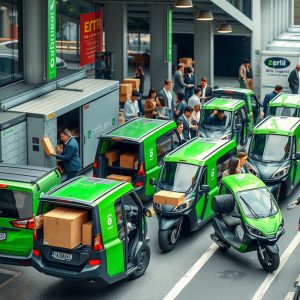
As technology continues to evolve, so too will the capabilities of route optimization and contactless delivery. Emerging trends like predictive delivery analytics and hyper-local delivery networks are poised to take last-mile logistics to the next level. Predictive analytics can anticipate delivery challenges before they arise, allowing businesses to proactively adjust routes or communicate with customers. Meanwhile, hyper-local networks—such as partnerships with local couriers or micro-fulfillment centers—can further reduce delivery times and costs, making the last mile even more efficient.
Businesses that embrace these innovations will not only stay ahead of the competition but will also set new standards for what customers can expect from their delivery experiences. The future of last-mile logistics isn’t just about getting packages from point A to point B; it’s about doing so in a way that is smarter, faster, and more attuned to the needs of the modern consumer.
The last mile of delivery is no longer a mere logistical challenge—it’s an opportunity to delight customers, build trust, and redefine what it means to deliver with excellence. By harnessing the power of efficient route optimization and contactless delivery, businesses can turn this final stretch of the journey into a competitive advantage, one that leaves a lasting impression on every customer they serve.