The Unseen Backbone: How Automated Fulfillment and Integrated Inventory Are Redefining Logistics Efficiency
In an era where consumers expect near-instant gratification, the logistics industry is undergoing a silent transformation. The focus has shifted from merely moving goods from point A to point B to creating a seamless, end-to-end experience that prioritizes speed, transparency, and sustainability. At the heart of this evolution lies the synergy between automated fulfillment processes and integrated inventory visibility, two pillars that are redefining what efficiency means in modern logistics.
The Rise of Automated Fulfillment: Speed Meets Precision
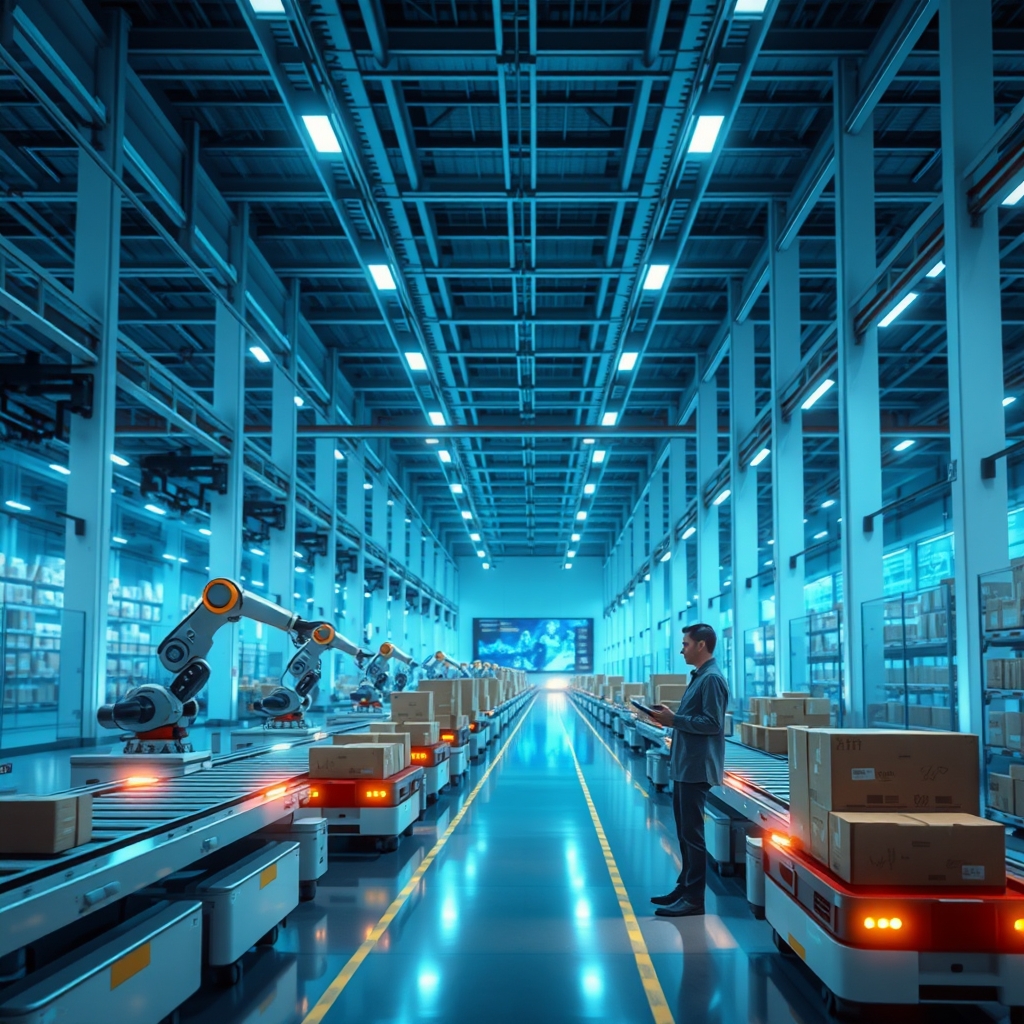
The traditional warehouse model, reliant on manual labor and fragmented systems, is rapidly becoming obsolete. Today, automation is the driving force behind faster, more accurate order processing. Robotic arms, AI-driven sorting systems, and machine learning algorithms are now commonplace in fulfillment centers, drastically reducing human error and accelerating throughput. For instance, automated guided vehicles (AGVs) navigate warehouses with pinpoint accuracy, ensuring that the right products are picked, packed, and dispatched in record time.
But automation isn’t just about speed—it’s about adaptability. Modern fulfillment systems can dynamically adjust to demand fluctuations, rerouting resources to high-priority orders during peak seasons. This agility is particularly crucial for e-commerce giants and retailers who must balance efficiency with cost-effectiveness. By minimizing manual intervention, businesses can also reduce operational costs, passing those savings onto customers in the form of faster, more affordable deliveries.
Integrated Inventory Visibility: The Power of Real-Time Data
While automation handles the physical aspects of fulfillment, integrated inventory visibility ensures that every stakeholder—from warehouse managers to end consumers—has access to real-time data. Gone are the days of siloed systems where inventory levels were updated manually or through batch processes. Today, cloud-based platforms and IoT-enabled sensors provide a unified view of stock levels, order statuses, and shipment locations across the entire supply chain.
This level of transparency is a game-changer for businesses. It eliminates the guesswork in inventory management, reducing the risk of stockouts or overstocking. For customers, it means accurate delivery estimates, proactive updates, and the ability to track their orders in real time. Imagine placing an order and receiving a notification the moment it’s packed, shipped, and out for delivery—all without lifting a finger. That’s the power of integrated inventory visibility.
How Predictive Analytics Enhances Inventory Management
Integrated inventory systems don’t just provide visibility—they also leverage predictive delivery analytics to forecast demand with remarkable accuracy. By analyzing historical data, market trends, and even external factors like weather patterns or economic indicators, these systems can predict which products will be in high demand and when. This allows businesses to optimize their inventory levels, reducing waste and ensuring that popular items are always in stock.
For example, a retailer using predictive analytics might anticipate a surge in demand for winter coats in early November and pre-position inventory in regional warehouses. This not only speeds up delivery times but also reduces the need for expedited shipping, lowering carbon emissions in the process. It’s a win-win for businesses and the environment.
The Customer-Centric Ripple Effect
The benefits of automated fulfillment and integrated inventory extend far beyond the warehouse. At the core of these innovations is a customer-centric logistics approach that prioritizes the end-user experience. When orders are processed faster and inventory is managed more efficiently, customers enjoy shorter delivery windows, fewer delays, and greater transparency. This, in turn, fosters trust and loyalty, turning one-time buyers into repeat customers.
Moreover, these systems enable personalized logistics communication, where customers receive tailored updates based on their preferences. Whether it’s a text message with a delivery ETA, an email with a digital proof of delivery, or a notification about a frictionless return process, every interaction is designed to enhance convenience. In a world where 63% of consumers say they’re more likely to shop with brands that offer real-time tracking, personalized communication isn’t just a nice-to-have—it’s a competitive necessity.
Sustainability as a Byproduct of Efficiency
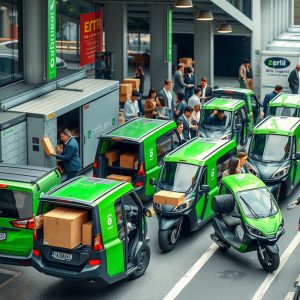
One of the most compelling byproducts of automated fulfillment and integrated inventory is sustainability. By optimizing routes, reducing excess inventory, and minimizing failed deliveries, businesses can significantly lower their carbon footprint. For instance, efficient route optimization ensures that delivery vehicles take the shortest, most fuel-efficient paths, while dynamic delivery scheduling allows customers to choose time slots that align with their availability, reducing the need for redelivery attempts.
Additionally, value-added packaging—such as reusable or biodegradable materials—further enhances the eco-friendly appeal of modern logistics. Brands that prioritize sustainability aren’t just doing their part for the planet; they’re also appealing to a growing segment of environmentally conscious consumers who prefer to support businesses with green credentials.
The Future: Scalable, Responsive, and Seamless
As technology continues to evolve, the logistics industry is poised for even greater advancements. Scalable distribution models will allow businesses to expand their operations without sacrificing efficiency, while responsive logistics support will ensure that customer inquiries and issues are resolved in real time. Meanwhile, hyper-local delivery networks will bring products closer to consumers, enabling same-day or even same-hour deliveries in urban areas.
At the intersection of these trends lies a future where logistics is not just a behind-the-scenes operation but a seamless, customer-facing experience. Automated fulfillment and integrated inventory are the foundation of this future, enabling businesses to meet the demands of today’s consumers while preparing for the challenges of tomorrow. The logistics industry is no longer just about moving goods—it’s about creating a frictionless, transparent, and sustainable journey from warehouse to doorstep.
The transformation is already underway, and those who embrace these innovations will not only stay ahead of the curve but also redefine what it means to deliver excellence in the digital age. The question isn’t whether businesses can afford to invest in these technologies—it’s whether they can afford not to.