The Alchemy of Convenience: How Contactless Delivery and Scalable Logistics Are Redefining Urban Mobility
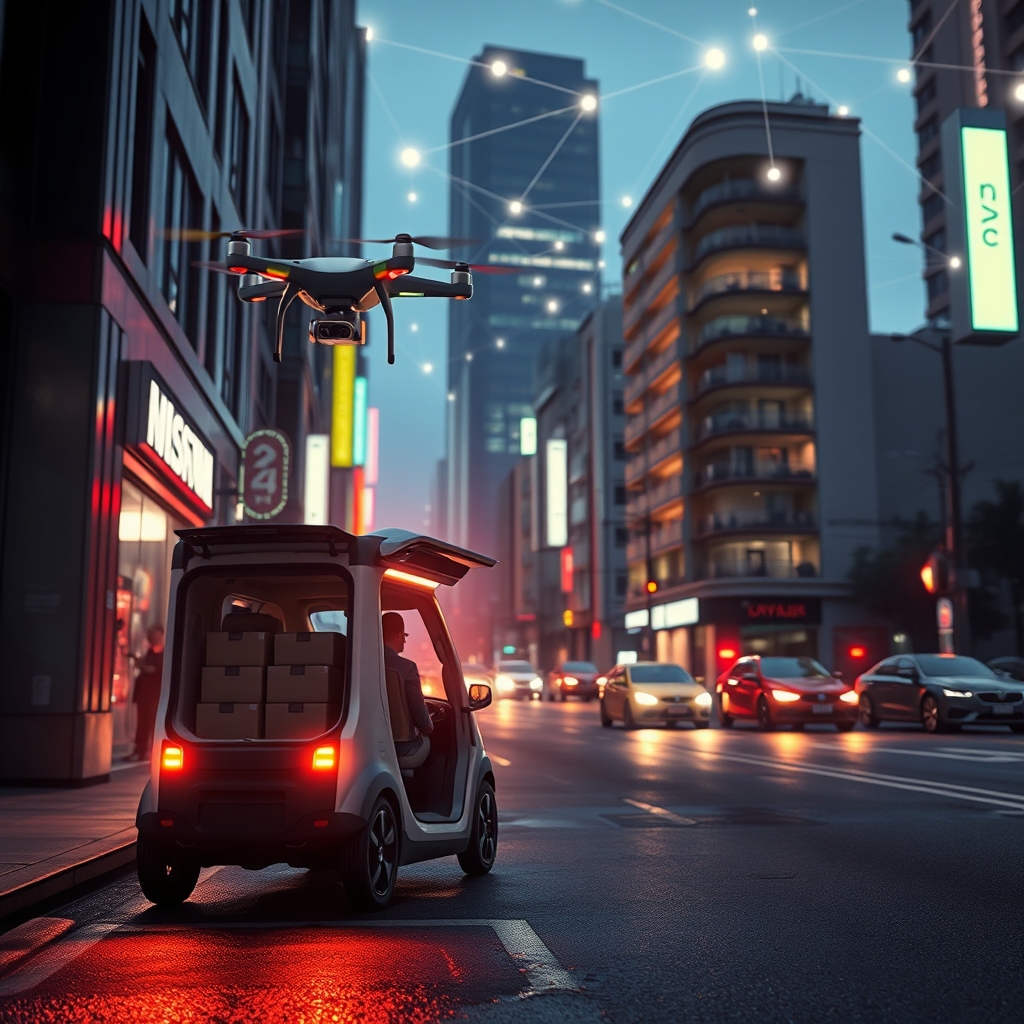
In the bustling arteries of modern cities, where time is a currency and convenience its most valued denomination, the last mile of delivery has emerged as the crucible of innovation. It’s no longer just about moving packages from point A to point B; it’s about orchestrating an experience that feels effortless, intuitive, and almost magical. The alchemy of this transformation lies in the fusion of contactless delivery and scalable logistics—a duo that is quietly rewriting the rules of urban mobility.
The Rise of the Invisible Courier
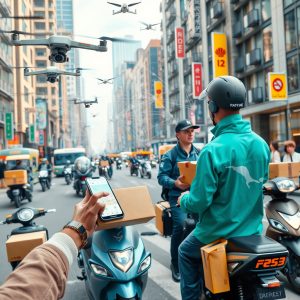
Imagine ordering a last-minute gift for a friend’s birthday, only to have it arrive at their doorstep within hours, without a single human interaction. No knocks, no signatures, just a seamless handoff between technology and trust. This is the promise of contactless delivery, a solution born out of necessity but perfected by innovation. By leveraging digital proof of delivery, real-time tracking, and secure drop-off protocols, businesses are eliminating the friction that once defined the final leg of the delivery journey. Customers no longer need to rearrange their schedules or wait in limbo; instead, they receive a notification the moment their package arrives, complete with a timestamped photo for added assurance.
But contactless delivery is more than just a convenience—it’s a paradigm shift in how we perceive trust. In an era where physical interactions are increasingly minimized, the ability to verify a delivery’s completion without direct engagement builds confidence in the system. It’s a silent handshake between the sender and the recipient, mediated by technology but rooted in reliability. This shift is particularly transformative in urban environments, where the density of deliveries and the pace of life demand solutions that are as unobtrusive as they are efficient.
The Backbone of Scalability
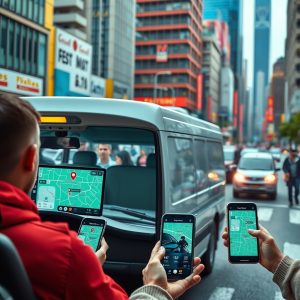
While contactless delivery addresses the customer-facing aspects of the last mile, scalable logistics ensure that the machinery behind the scenes operates with precision and adaptability. The challenge of modern delivery networks isn’t just handling volume—it’s managing variability. Seasonal spikes, unexpected demand surges, and the ever-changing landscape of urban logistics require a system that can bend without breaking. Enter scalable distribution models, which leverage predictive analytics, dynamic routing, and hyper-local delivery networks to create a flexible infrastructure.
Predictive delivery analytics, for instance, allow businesses to anticipate demand patterns before they materialize. By analyzing historical data, weather conditions, and even local events, logistics providers can pre-position inventory, optimize routes, and allocate resources with surgical precision. This isn’t just about efficiency; it’s about resilience. A scalable model ensures that whether it’s a holiday rush or an unforeseen disruption, the system can absorb the shock and maintain its rhythm.
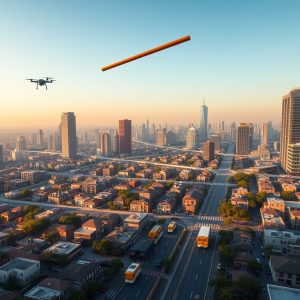
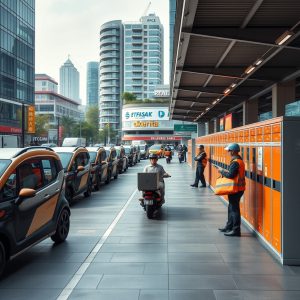
Hyper-local delivery networks further amplify this scalability by decentralizing the distribution process. Instead of relying on a handful of centralized hubs, businesses are increasingly turning to micro-fulfillment centers scattered across urban landscapes. These localized nodes reduce transit times, lower carbon footprints, and enable faster responses to customer needs. The result? A delivery ecosystem that is as agile as it is robust, capable of adapting to the ebb and flow of urban life.
The Human Element in a Digital World
For all its technological prowess, the last mile is ultimately a human experience. Customers don’t just want their packages delivered; they want to feel seen, heard, and valued. This is where personalized logistics communication steps into the spotlight. Gone are the days of generic tracking updates and impersonal notifications. Today’s customers expect a dialogue—one that is tailored to their preferences, proactive in its updates, and empathetic in its tone.
Personalized communication isn’t just about addressing the customer by name; it’s about anticipating their needs. A busy professional might appreciate a delivery window that aligns with their work schedule, while a parent juggling childcare might prefer a contactless drop-off at a specific time. By integrating customer data with dynamic delivery scheduling, businesses can craft experiences that feel bespoke, even at scale. This level of personalization fosters loyalty, turning one-time buyers into lifelong advocates.
Moreover, responsive logistics support acts as the safety net for this digital dialogue. When things go awry—a delayed shipment, a damaged package, or a missed delivery—customers don’t just want a solution; they want reassurance. A responsive support system, powered by real-time data and empowered to act, can turn a potential frustration into a moment of trust. It’s the difference between a customer feeling abandoned and one feeling valued, even in the face of adversity.
The Green Imperative
As cities grapple with the environmental toll of rapid urbanization, sustainable delivery solutions have transitioned from a nice-to-have to a non-negotiable. The last mile, often the most carbon-intensive segment of the delivery process, is under particular scrutiny. Fortunately, the same innovations that drive efficiency—route optimization, hyper-local networks, and dynamic scheduling—also pave the way for greener logistics.
Efficient route optimization, for example, doesn’t just save time; it reduces fuel consumption and emissions. By leveraging AI-driven algorithms, delivery providers can minimize idle time, avoid traffic congestion, and consolidate shipments, all of which contribute to a lighter environmental footprint. Similarly, hyper-local delivery networks shorten the distance between fulfillment centers and customers, further cutting down on emissions. When combined with electric vehicles and alternative fuel options, these strategies can transform the last mile into a model of sustainability.
But sustainability isn’t just about the environment; it’s also about long-term viability. Customers are increasingly aligning their purchasing decisions with their values, and businesses that prioritize eco-friendly practices are reaping the rewards. Transparent shipment updates that include carbon footprint data, for instance, allow customers to make informed choices and feel good about their contributions to a greener future. It’s a win-win: businesses reduce their environmental impact while enhancing their brand reputation.
The Future is Already Here
The convergence of contactless delivery and scalable logistics is not a distant vision—it’s a reality unfolding before our eyes. From the quiet efficiency of digital proof of delivery to the dynamic adaptability of predictive analytics, the last mile is being reimagined in ways that were once the stuff of science fiction. Yet, for all its technological marvels, the true magic lies in its ability to make life simpler, more convenient, and more connected.
As urban landscapes continue to evolve, so too will the expectations of customers. The businesses that thrive will be those that recognize the last mile not as a logistical challenge, but as an opportunity to create moments of delight. Whether it’s the anticipation of a package’s arrival, the ease of a contactless handoff, or the satisfaction of knowing your delivery left a minimal carbon footprint, these are the experiences that define the future of logistics. And in this future, the last mile isn’t just the final step—it’s the first step toward a smarter, more sustainable, and more human-centric world.