The Strategic Integration of On-Demand Drop-Off and B2B Delivery Services: Elevating Corporate Logistics in the Digital Age
In today’s fast-paced business environment, the efficiency of corporate logistics can make or break an organization’s competitive edge. Companies are no longer relying solely on traditional shipping methods; instead, they are turning to innovative solutions that blend speed, flexibility, and reliability. Among these, the integration of on-demand drop-off services with B2B delivery solutions has emerged as a game-changer, transforming how businesses manage their supply chains and meet the evolving demands of clients and partners.
The Evolution of Corporate Logistics: From Static to Dynamic
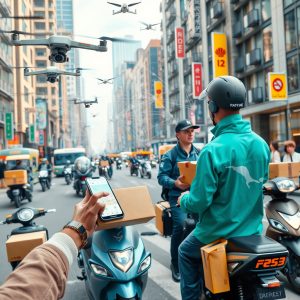
Corporate logistics has undergone a significant transformation over the past decade. The days of rigid, scheduled pickups and lengthy delivery windows are fading, replaced by a demand for agility and responsiveness. Businesses now require logistics partners that can adapt to their needs in real-time, whether it’s an urgent document courier for a last-minute contract or a bulk shipment that needs to reach its destination ahead of schedule. This shift has given rise to on-demand drop-off services, which allow companies to dispatch parcels at a moment’s notice, bypassing the delays associated with traditional shipping methods.
At the same time, B2B delivery services have evolved to offer more than just transportation. Modern B2B logistics providers are leveraging technology to provide end-to-end solutions, from real-time package tracking to automated pickup services. This integration ensures that businesses can maintain visibility and control over their shipments, reducing the risk of delays or miscommunication. The synergy between on-demand drop-off and B2B delivery services is particularly powerful, as it allows companies to respond swiftly to market changes while maintaining the reliability that corporate clients expect.
Why On-Demand Drop-Off is a Game-Changer for Businesses
The ability to drop off parcels on-demand is not just a convenience—it’s a strategic advantage. For businesses that operate in industries where time is of the essence, such as legal, finance, or healthcare, the ability to send urgent documents or samples without delay can be critical. On-demand drop-off services eliminate the need for pre-scheduled pickups, allowing companies to act immediately when opportunities or challenges arise. This flexibility is further enhanced by the availability of local courier services, which can provide same-day or even hour-specific delivery windows, ensuring that time-sensitive shipments reach their destinations without unnecessary delays.
Moreover, on-demand drop-off services are not limited to small parcels. Many providers now offer solutions for larger shipments, including nationwide freight shipping and bulk shipping discounts. This scalability makes on-demand logistics a viable option for businesses of all sizes, from small enterprises to large corporations. By integrating these services with B2B delivery solutions, companies can streamline their logistics operations, reducing costs and improving efficiency across the board.
The Role of Technology in Enhancing On-Demand Logistics
Technology plays a pivotal role in the success of on-demand drop-off and B2B delivery services. Real-time package tracking, for instance, provides businesses with unprecedented visibility into their shipments, allowing them to monitor progress and anticipate potential delays. This level of transparency is particularly valuable in B2B logistics, where multiple stakeholders may need access to shipment data. Automated pickup services further enhance efficiency by reducing the need for manual intervention, allowing businesses to focus on their core operations while logistics providers handle the rest.
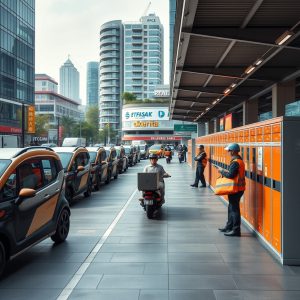
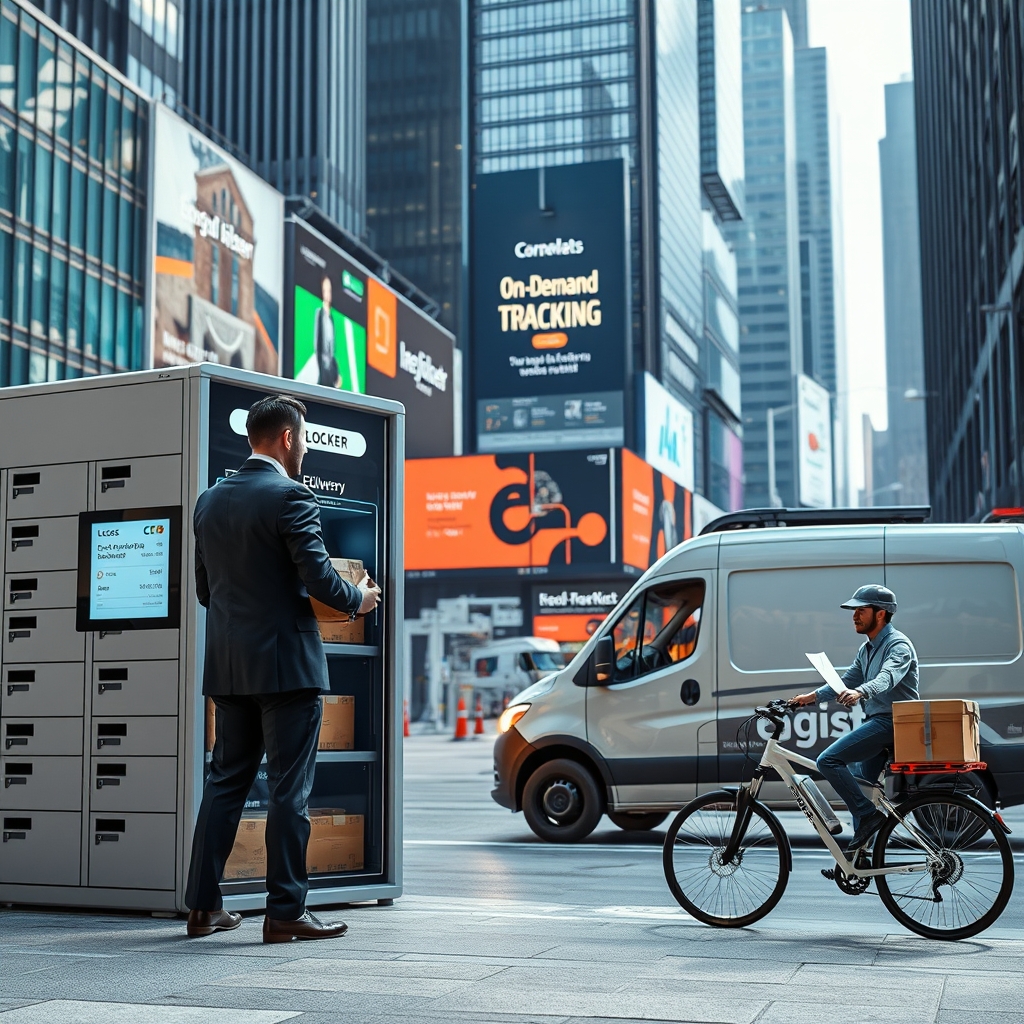
Another technological innovation that is transforming corporate logistics is the use of smart lockers for contactless package drop-off and pickup. These automated systems provide a secure and convenient way for businesses to send and receive parcels, particularly in urban areas where space and time are at a premium. Smart lockers can be integrated with on-demand courier services, allowing businesses to drop off or retrieve shipments at any time, without the need for human interaction. This not only improves efficiency but also enhances security, as parcels are stored in a controlled environment until they are retrieved.
The Environmental Impact: Balancing Speed with Sustainability
While speed and efficiency are critical in corporate logistics, businesses are also increasingly aware of their environmental responsibilities. The rise of eco-friendly delivery options has made it possible for companies to reduce their carbon footprint without compromising on service quality. Many logistics providers now offer green delivery solutions, such as electric vehicles or carbon-neutral shipping options, which allow businesses to meet their sustainability goals while still benefiting from the speed and flexibility of on-demand services.
For B2B logistics, sustainability is not just a buzzword—it’s a business imperative. Clients and partners are increasingly prioritizing suppliers that demonstrate a commitment to environmental stewardship. By integrating eco-friendly delivery options with on-demand drop-off services, businesses can appeal to this growing demand while also reducing their operational costs. For example, consolidating shipments to reduce the number of trips or using route optimization software can lower fuel consumption and emissions, making logistics operations more sustainable and cost-effective.
The Future of Corporate Logistics: A Hybrid Approach
As businesses continue to navigate the complexities of modern logistics, the integration of on-demand drop-off and B2B delivery services will play an increasingly important role. However, the future of corporate logistics is not about choosing one solution over another—it’s about adopting a hybrid approach that combines the best of both worlds. For instance, businesses can use scheduled parcel pickup for routine shipments while relying on on-demand services for urgent deliveries. This flexibility allows companies to optimize their logistics operations, ensuring that they can meet the demands of their clients and partners without overcommitting resources.
Furthermore, the rise of artificial intelligence and machine learning is set to revolutionize corporate logistics even further. Predictive analytics can help businesses anticipate demand and optimize their shipping strategies, while automation can streamline processes such as order fulfillment and last-mile delivery. By embracing these technologies, companies can stay ahead of the curve, delivering faster, more reliable, and more sustainable logistics solutions.
The integration of on-demand drop-off and B2B delivery services is not just a trend—it’s a fundamental shift in how businesses approach logistics. By leveraging the speed and flexibility of on-demand services alongside the reliability and scalability of B2B solutions, companies can create a logistics strategy that is both agile and robust. This approach not only enhances operational efficiency but also strengthens relationships with clients and partners, positioning businesses for long-term success in an increasingly competitive marketplace. As technology continues to evolve, the possibilities for innovation in corporate logistics are limitless, offering businesses new ways to meet the challenges of today and tomorrow with confidence and precision.