The Future of Logistics: How Customer-Centric Delivery is Redefining E-Commerce
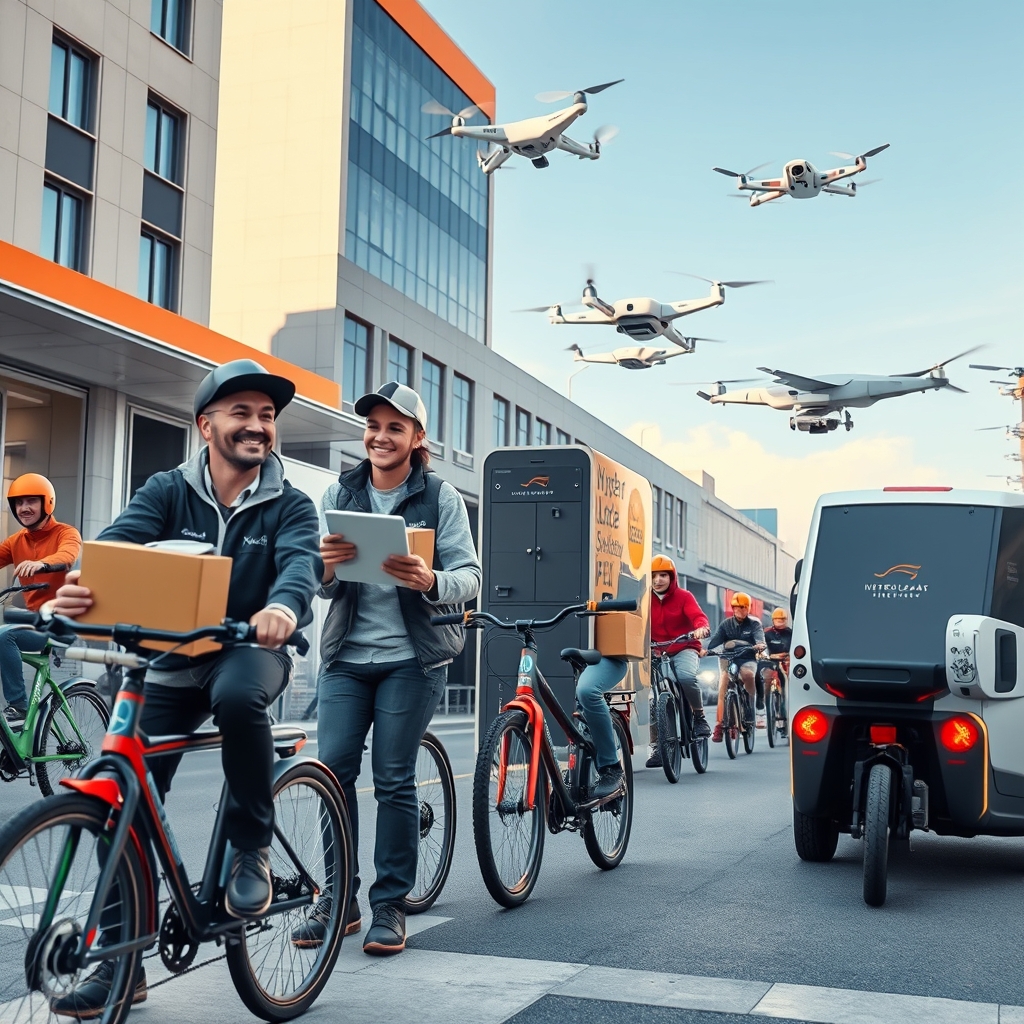
The logistics industry is undergoing a transformative shift, driven by the rising expectations of consumers who demand faster, more transparent, and personalized delivery experiences. Gone are the days when customers were content with vague delivery windows and delayed updates. Today, the focus has shifted toward customer-centric logistics, where every aspect of the delivery process is optimized to enhance satisfaction, build trust, and foster long-term loyalty. This evolution is not just a trend—it’s a fundamental reimagining of how goods move from warehouses to doorsteps.
The Rise of Real-Time Tracking Experience
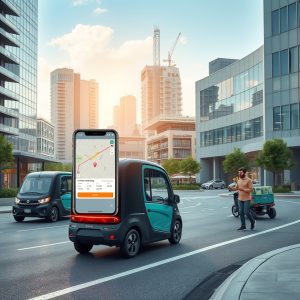
One of the most significant advancements in modern logistics is the real-time tracking experience, which has become a non-negotiable feature for consumers. The ability to monitor a package’s journey from dispatch to delivery, with live updates and accurate ETAs, has set a new standard for transparency. This level of visibility not only reduces anxiety for customers but also empowers them with control over their delivery preferences, such as rescheduling or rerouting shipments on the fly.
Companies leveraging predictive delivery analytics take this a step further by anticipating potential delays before they occur. By analyzing historical data, weather patterns, and traffic conditions, logistics providers can proactively communicate disruptions and offer alternative solutions. This proactive approach minimizes frustration and reinforces the perception of a brand as reliable and customer-focused.
Optimized Last Mile Delivery: The Final Frontier
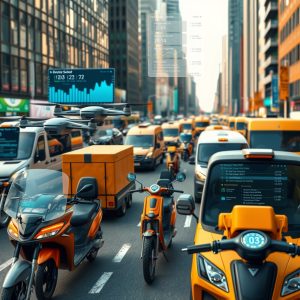
The last mile delivery—the final leg of a package’s journey—has long been the most complex and costly part of the logistics chain. However, innovations in efficient route optimization and hyper-local delivery networks are revolutionizing this critical phase. Advanced algorithms now calculate the most fuel-efficient and time-saving routes, reducing delivery times while lowering carbon emissions. Meanwhile, hyper-local fulfillment centers, strategically positioned in urban areas, enable same-day or even one-hour deliveries, catering to the growing demand for instant gratification.
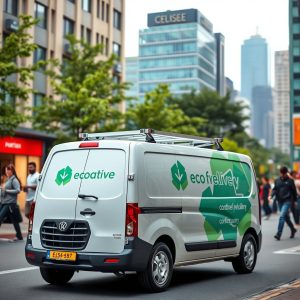
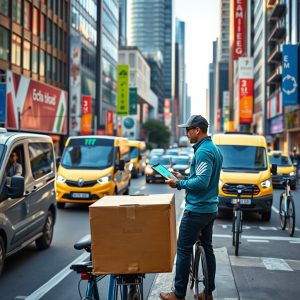
Sustainability is also playing a pivotal role in shaping the future of last-mile delivery. Sustainable delivery solutions, such as electric vehicles, bike couriers, and consolidated shipments, are gaining traction as businesses seek to reduce their environmental footprint. These eco-friendly alternatives not only appeal to environmentally conscious consumers but also help companies comply with increasingly stringent regulations on emissions and urban congestion.
Seamless Courier Interaction and Digital Proof of Delivery
Another key aspect of customer-centric logistics is the seamless courier interaction facilitated by digital tools. Gone are the days of paper-based delivery confirmations and manual signatures. Today, digital proof of delivery systems allow customers to receive instant notifications, e-signatures, and even photo verification upon receipt of their packages. This not only streamlines the delivery process but also reduces disputes and enhances accountability.
For businesses, these digital interactions provide valuable data that can be used to refine operations further. For example, analyzing delivery patterns can highlight areas where automated fulfillment processes can be implemented to speed up order processing. Similarly, feedback from customers can inform improvements in packaging, handling, and communication, ensuring that every touchpoint in the logistics chain is optimized for efficiency and satisfaction.
Personalized Logistics Communication: Beyond Generic Updates
In an era where personalization is king, generic delivery updates no longer suffice. Customers expect personalized logistics communication that caters to their individual preferences and needs. This could mean receiving notifications via their preferred channel—whether it’s SMS, email, or a mobile app—or having the flexibility to choose delivery windows that align with their schedules. Some companies are even experimenting with AI-driven chatbots that provide real-time support, answering queries and resolving issues without the need for human intervention.
The integration of user-friendly delivery portals has further enhanced the customer experience. These portals allow users to track multiple orders in one place, manage returns effortlessly, and even customize delivery instructions, such as leaving packages with a neighbor or at a secure location. By putting control in the hands of the customer, businesses can significantly reduce the likelihood of missed deliveries and improve overall satisfaction.
Frictionless Returns Management: Turning Challenges into Opportunities
Returns are an inevitable part of e-commerce, but they don’t have to be a pain point. Frictionless returns management is becoming a competitive differentiator for brands that understand the importance of a hassle-free process. Simplifying returns—whether through prepaid labels, in-store drop-offs, or automated refunds—can turn a potentially negative experience into a positive one. Moreover, a smooth returns process can encourage repeat purchases, as customers feel more confident buying from a brand that stands by its products.
Behind the scenes, integrated inventory visibility plays a crucial role in managing returns efficiently. By maintaining real-time visibility into stock levels across warehouses and retail locations, businesses can quickly process returned items and restock them, minimizing losses and improving inventory turnover. This level of agility is essential for maintaining a responsive and resilient supply chain.
Dynamic Delivery Scheduling and Contactless Experiences
The COVID-19 pandemic accelerated the adoption of contactless delivery experiences, but this trend is here to stay. Customers now expect the option to receive their packages without direct interaction, whether through porch drop-offs, smart lockers, or designated safe zones. This shift has not only improved safety but also added a layer of convenience for busy consumers who may not be home to receive deliveries during traditional hours.
Dynamic delivery scheduling takes this a step further by allowing customers to adjust delivery times in real time. For example, if a customer realizes they won’t be home during the scheduled window, they can easily reschedule for a more convenient time—all through a mobile app or online portal. This flexibility reduces the likelihood of failed deliveries and enhances the overall customer experience.
As logistics continues to evolve, the focus on customer-centricity will only intensify. The brands that thrive will be those that embrace innovation, leveraging technology to create delivery experiences that are not just efficient but also deeply personalized and responsive to individual needs. In this new era of logistics, the journey is just as important as the destination, and every interaction is an opportunity to build trust and loyalty. The future of delivery is not just about getting packages from point A to point B—it’s about creating a seamless, enjoyable, and memorable experience for the customer every step of the way.