The Future of Frictionless Logistics: How Contactless Delivery and Scalable Models Are Redefining Convenience
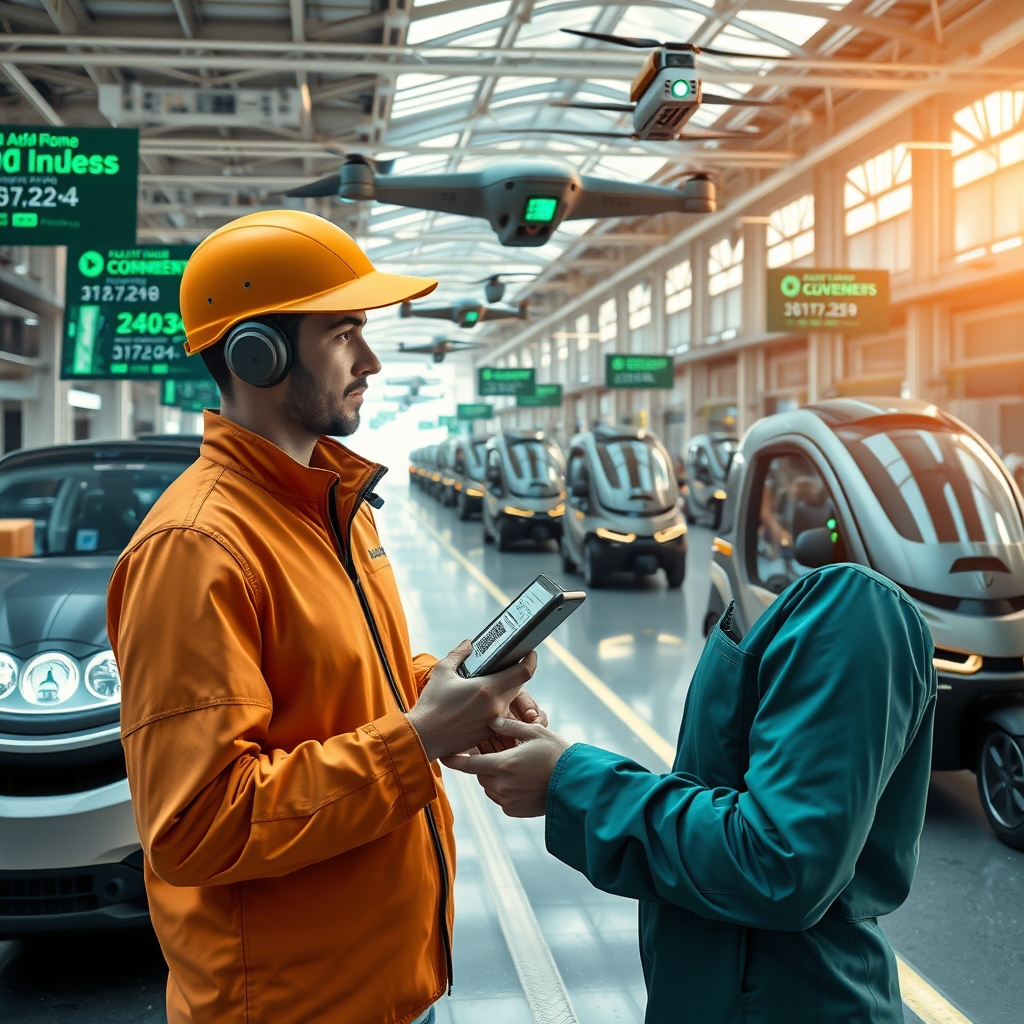
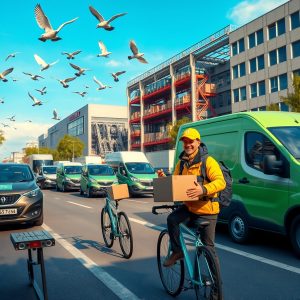
The modern consumer expects more than just speed—they demand convenience, transparency, and a delivery experience that feels effortless. As e-commerce continues to grow, logistics providers are under pressure to innovate, ensuring that every step of the delivery journey is smooth, reliable, and tailored to individual needs. The rise of contactless delivery experiences and scalable distribution models is not just a trend but a fundamental shift in how goods move from warehouses to doorsteps.
The Rise of Contactless Delivery: Safety Meets Convenience
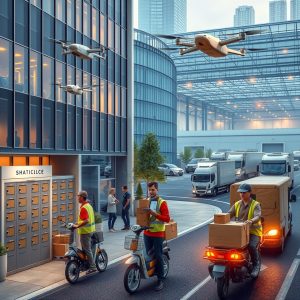
In a post-pandemic world, contactless delivery has evolved from a temporary solution into a permanent expectation. Customers now prioritize safety, hygiene, and minimal interaction, making digital proof of delivery and automated fulfillment processes essential. Advanced logistics platforms now integrate QR codes, OTP verification, and real-time photo confirmations to ensure that packages are delivered securely without physical contact.
Beyond safety, contactless delivery enhances efficiency. Drivers spend less time waiting for signatures, reducing delays and improving last-mile delivery optimization. Meanwhile, customers appreciate the flexibility of receiving updates via SMS, email, or in-app notifications, creating a seamless courier interaction that builds trust and satisfaction.
Scalable Distribution Models: Adapting to Demand Without Compromise
The logistics industry is no stranger to fluctuations in demand—seasonal spikes, unexpected surges, and regional variations can strain even the most robust systems. Traditional distribution models often struggle to keep up, leading to delays, inefficiencies, and frustrated customers. However, scalable distribution models powered by AI and machine learning are changing the game.
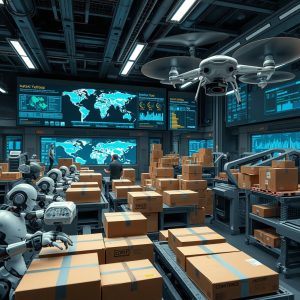
By leveraging predictive delivery analytics, logistics providers can anticipate demand patterns, optimize warehouse allocations, and dynamically adjust delivery routes. This ensures that resources are deployed efficiently, whether handling a sudden influx of orders or managing a quiet period. Additionally, hyper-local delivery networks allow businesses to partner with local couriers, reducing transit times and improving efficient route optimization.
Integrated Inventory Visibility: The Backbone of Scalability
A scalable logistics model is only as strong as its inventory management. Integrated inventory visibility ensures that businesses have real-time insights into stock levels, order statuses, and fulfillment progress. Cloud-based logistics platforms now offer dashboards that sync with multiple warehouses, allowing companies to track inventory across locations and prevent stockouts or overstocking.
This level of transparency extends to customers as well. User-friendly delivery portals provide end-to-end tracking, allowing recipients to monitor their shipments from dispatch to delivery. When combined with transparent shipment updates, this creates a customer-centric logistics experience that fosters loyalty and repeat business.
Dynamic Delivery Scheduling: Flexibility as a Competitive Edge
Gone are the days of rigid delivery windows that force customers to wait hours for a package. Today’s consumers expect flexibility, and logistics providers are responding with dynamic delivery scheduling. AI-driven platforms analyze traffic patterns, weather conditions, and driver availability to offer real-time delivery slots, allowing customers to choose (or reschedule) a time that suits them best.
This approach not only improves convenience but also reduces failed delivery attempts—a major pain point in last-mile logistics. By giving customers control over their delivery experience, businesses can minimize missed deliveries, lower operational costs, and enhance overall satisfaction. When paired with personalized logistics communication, such as automated reminders and proactive updates, it creates a delivery experience that feels truly bespoke.
Frictionless Returns: Turning Challenges into Opportunities
Returns are an inevitable part of e-commerce, but they don’t have to be a logistical nightmare. A frictionless returns management system can turn a potentially negative experience into a competitive advantage. Automated return portals, prepaid labels, and instant refunds streamline the process, reducing customer frustration and operational overhead.
Moreover, data from returns can provide valuable insights into product quality, packaging issues, or customer preferences. By analyzing return patterns, businesses can refine their offerings, improve value-added packaging, and even reduce future return rates. When returns are handled efficiently, they become less of a cost center and more of an opportunity to strengthen customer relationships.
The Role of Sustainability in Modern Logistics
As environmental concerns grow, sustainable delivery solutions are no longer optional—they’re a necessity. Consumers are increasingly conscious of their carbon footprint, and businesses that prioritize eco-friendly logistics gain a competitive edge. Electric delivery vehicles, route optimization to reduce fuel consumption, and value-added packaging made from recycled materials are just a few ways the industry is evolving.
Beyond reducing emissions, sustainable logistics can also lower costs. Efficient route planning minimizes fuel usage, while reusable packaging reduces material expenses. When combined with responsive logistics support, these initiatives create a delivery ecosystem that is both environmentally responsible and economically viable.
The logistics industry is undergoing a transformation, driven by technology, changing consumer expectations, and the need for sustainability. Contactless delivery, scalable distribution models, and dynamic scheduling are no longer futuristic concepts—they are the new standard. Businesses that embrace these innovations will not only meet the demands of today’s customers but also future-proof their operations for the challenges ahead. The key lies in balancing efficiency with personalization, ensuring that every delivery feels as effortless as it is reliable.