The Strategic Evolution of Last Mile Delivery: How Local Courier Services and Smart Technology Are Redefining Urban Logistics
In the fast-paced world of modern commerce, the last mile of delivery has emerged as the most critical—and often the most challenging—segment of the logistics chain. As urbanization accelerates and consumer expectations for speed and convenience soar, businesses are turning to innovative solutions to bridge the gap between distribution centers and doorsteps. Local courier services, powered by smart technology, are at the forefront of this transformation, offering a blend of agility, efficiency, and sustainability that traditional logistics models struggle to match.
The Rise of Hyper-Local Logistics
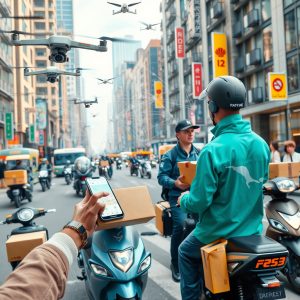
Local courier services have long been the backbone of urban logistics, but their role has evolved far beyond simple point-to-point deliveries. Today, these services are leveraging hyper-local networks to provide on-demand drop-offs, scheduled parcel pickups, and same-day package delivery with unprecedented precision. By operating within defined geographic zones, local couriers reduce transit times, lower costs, and minimize the environmental impact of long-haul transportation. This hyper-local approach is particularly valuable in densely populated cities, where traffic congestion and parking limitations can cripple traditional delivery methods.
For businesses, the benefits of hyper-local logistics extend beyond speed. Partnering with local couriers allows companies to scale their delivery operations dynamically, adapting to fluctuating demand without the overhead of maintaining a large in-house fleet. This flexibility is especially crucial for e-commerce retailers, who must balance the need for rapid order fulfillment with the unpredictability of consumer behavior. By integrating local courier services into their logistics strategy, businesses can achieve a level of responsiveness that was once thought impossible.
The Role of Smart Technology in Last Mile Efficiency
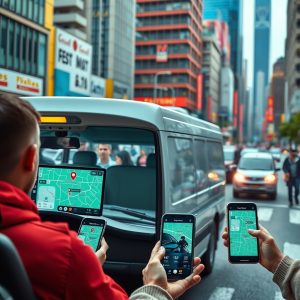
Technology is the driving force behind the evolution of last mile delivery. Real-time package tracking, automated pickup services, and smart locker solutions are no longer optional luxuries—they are essential tools for meeting modern consumer expectations. Real-time tracking, for instance, provides transparency and peace of mind, allowing customers to monitor their deliveries from dispatch to doorstep. This level of visibility not only enhances the customer experience but also reduces the burden on customer service teams, who can proactively address delays or issues before they escalate.
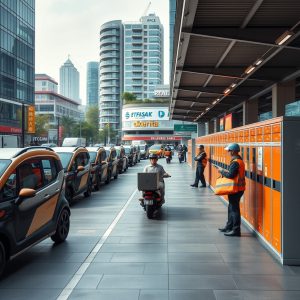
Automated pickup services, such as smart lockers, are another game-changer in last mile logistics. These self-service solutions enable contactless package drop-offs and pickups, eliminating the need for direct interaction between couriers and recipients. For urban residents, smart lockers offer unparalleled convenience, allowing them to retrieve their packages at any time, day or night. For businesses, these systems reduce failed delivery attempts and the associated costs, while also minimizing the risk of package theft or damage. The integration of smart lockers into residential buildings, retail stores, and transit hubs is a testament to their growing popularity and effectiveness.
Sustainability as a Competitive Advantage
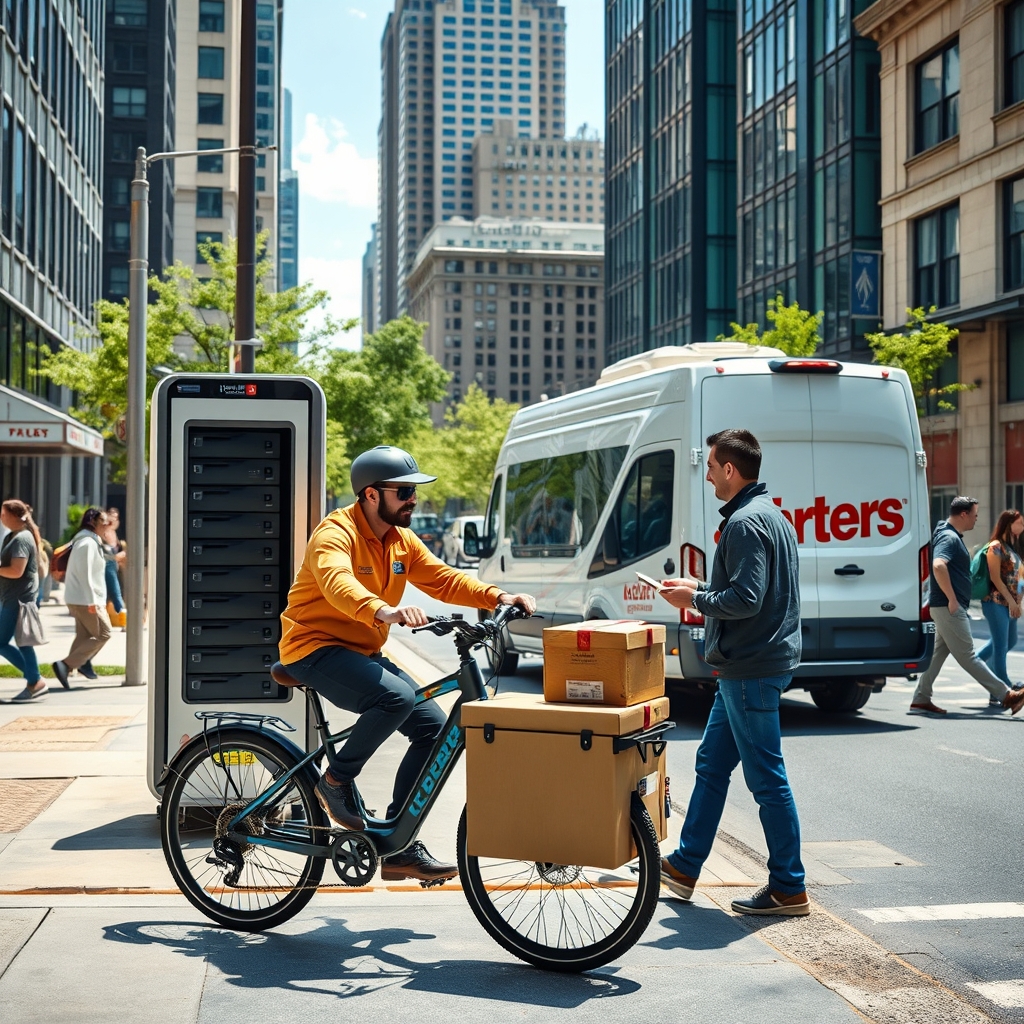
As environmental concerns take center stage, eco-friendly delivery options are becoming a key differentiator for businesses. Local courier services are uniquely positioned to lead this charge, as their shorter delivery routes inherently reduce carbon emissions. Many couriers are further enhancing their sustainability credentials by adopting electric vehicles, cargo bikes, and other low-emission transportation methods. These efforts not only appeal to environmentally conscious consumers but also help businesses meet their corporate sustainability goals.
In addition to reducing emissions, local couriers are exploring innovative ways to minimize waste in the delivery process. For example, some services are offering reusable packaging options or partnering with recycling programs to ensure that materials are disposed of responsibly. By prioritizing sustainability, businesses can align their logistics operations with the values of their customers, fostering loyalty and trust in an increasingly competitive market.
The Future of Last Mile Delivery: A Hybrid Approach
The future of last mile delivery lies in a hybrid model that combines the speed and flexibility of on-demand courier services with the reliability and scalability of scheduled parcel pickups. This approach allows businesses to cater to a wide range of delivery needs, from urgent document couriers to bulk shipping discounts, without compromising on efficiency or cost-effectiveness. For instance, a company might use local couriers for same-day deliveries in urban areas while relying on nationwide freight shipping for larger, less time-sensitive orders.
Moreover, the integration of artificial intelligence and machine learning into logistics platforms is enabling businesses to optimize their delivery routes, predict demand patterns, and automate decision-making processes. These advancements are making last mile delivery smarter, faster, and more adaptable than ever before. As technology continues to evolve, the possibilities for innovation in last mile logistics are virtually limitless.
The transformation of last mile delivery is not just about meeting the demands of today—it’s about anticipating the needs of tomorrow. By embracing local courier services and smart technology, businesses can create a logistics ecosystem that is efficient, sustainable, and customer-centric. In a world where speed and convenience are no longer luxuries but expectations, the companies that invest in these innovations will be the ones that thrive. The last mile is no longer a challenge to overcome; it’s an opportunity to redefine what’s possible in modern logistics.