
The Art of Seamless Courier Interaction: Building Trust Through Digital Proof of Delivery and Responsive Logistics
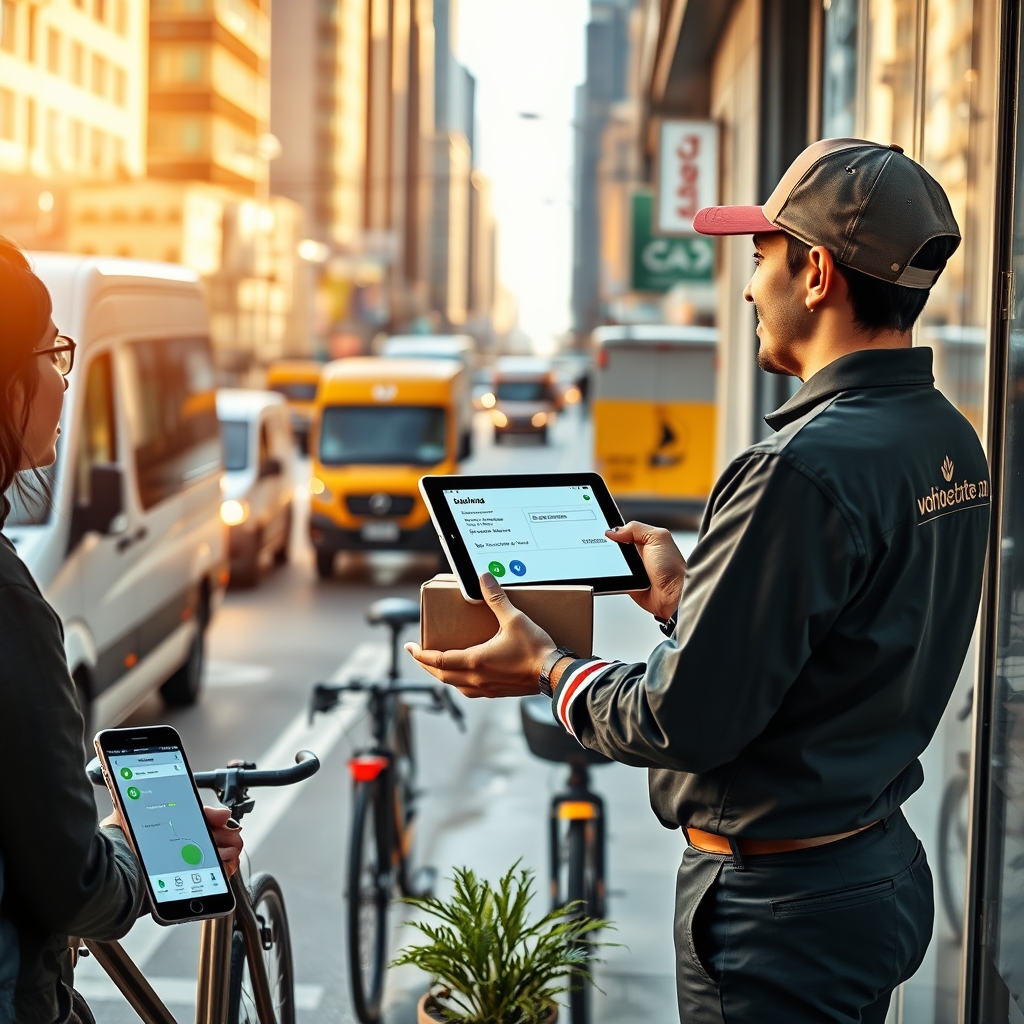
In an era where instant gratification is not just desired but expected, the logistics industry is undergoing a transformative shift. The focus has moved beyond merely delivering packages from point A to point B; it’s about creating an experience that feels effortless, transparent, and deeply personalized. At the heart of this evolution lies seamless courier interaction, a concept that bridges the gap between efficiency and customer satisfaction through innovative technologies like digital proof of delivery and responsive logistics support.
The Foundation of Trust: Digital Proof of Delivery
Gone are the days of ambiguous delivery confirmations and frustrating disputes over whether a package arrived. Digital proof of delivery (DPOD) has emerged as a game-changer, offering real-time, irrefutable evidence of a successful delivery. This technology leverages electronic signatures, geotagged photos, and timestamped confirmations to provide both customers and businesses with peace of mind. For instance, when a courier delivers a high-value item, the recipient can instantly sign for it on a mobile device, and the system automatically captures the location and time of delivery. This not only eliminates the risk of lost or misplaced paperwork but also fosters trust by ensuring transparency at every step.
DPOD is particularly valuable in sectors like e-commerce, healthcare, and food delivery, where the stakes of accurate and timely deliveries are high. By integrating DPOD into their operations, logistics providers can reduce disputes, streamline their workflows, and enhance customer satisfaction. Moreover, it serves as a critical tool for frictionless returns management, allowing customers to initiate returns with confidence, knowing that the original delivery was documented and verified.
Responsive Logistics: The Human Touch in a Digital World
While technology drives efficiency, the human element remains irreplaceable in logistics. Responsive logistics support ensures that customers feel heard, valued, and supported throughout their delivery journey. This goes beyond automated email notifications or generic chatbots; it involves proactive communication, empathetic problem-solving, and a willingness to go the extra mile. For example, if a delivery is delayed due to unforeseen circumstances, a responsive logistics team will not only update the customer in real time but also offer solutions, such as rescheduling or providing a discount on future orders.
This level of support is especially crucial in hyper-local delivery networks, where customers often have direct interactions with couriers. Training delivery personnel to handle inquiries with professionalism and courtesy can turn a routine transaction into a positive brand experience. Additionally, responsive logistics support can be enhanced through personalized logistics communication, where customers receive tailored updates based on their preferences—whether it’s via SMS, email, or a user-friendly delivery portal.
The Role of Technology in Enhancing Courier Interactions
Technology acts as the backbone of seamless courier interactions, enabling logistics providers to deliver a real-time tracking experience that keeps customers informed and engaged. Advanced tracking systems, powered by GPS and IoT devices, allow customers to monitor their packages in real time, from the moment they leave the warehouse to the second they arrive at their doorstep. This transparency not only reduces anxiety but also empowers customers to plan their day around the delivery.
Another technological innovation transforming courier interactions is automated fulfillment processes. By automating tasks like order processing, inventory management, and route optimization, logistics providers can reduce human error and accelerate delivery times. For instance, predictive delivery analytics can forecast potential delays and suggest alternative routes, ensuring that packages arrive on time, every time. Meanwhile, dynamic delivery scheduling allows customers to choose delivery windows that suit their schedules, further enhancing the convenience factor.
Sustainability and Efficiency: A Dual Priority
Seamless courier interactions are not just about speed and convenience; they also play a pivotal role in promoting sustainable delivery solutions. By optimizing routes and consolidating deliveries, logistics providers can reduce their carbon footprint while maintaining efficiency. For example, efficient route optimization algorithms can identify the most fuel-efficient paths, minimizing emissions and lowering operational costs. Similarly, value-added packaging—such as reusable or biodegradable materials—can enhance the unboxing experience while aligning with eco-friendly practices.
Moreover, contactless delivery experiences have gained traction, particularly in the wake of the COVID-19 pandemic. These solutions not only prioritize safety but also reduce the need for physical interactions, streamlining the delivery process. Customers can receive their packages without direct contact, and couriers can complete deliveries more efficiently, all while adhering to sustainability goals.
The Future of Courier Interactions: A Customer-Centric Approach
As the logistics industry continues to evolve, the focus on customer-centric logistics will only intensify. This means designing every aspect of the delivery experience—from transparent shipment updates to frictionless returns management—with the customer in mind. For example, integrated inventory visibility allows customers to track not just their deliveries but also the availability of products in real time, enabling them to make informed purchasing decisions. Meanwhile, scalable distribution models ensure that logistics providers can adapt to fluctuating demand without compromising on service quality.
The rise of hyper-local delivery networks is another trend shaping the future of courier interactions. By partnering with local businesses and leveraging their existing infrastructure, logistics providers can offer faster, more flexible delivery options. This not only benefits customers but also supports small businesses, creating a more resilient and interconnected logistics ecosystem.
In this rapidly changing landscape, the logistics providers that thrive will be those that prioritize seamless courier interactions, leveraging technology to enhance transparency, efficiency, and sustainability. By doing so, they will not only meet the demands of today’s customers but also set the standard for the future of logistics. The journey toward a more connected, responsive, and customer-focused delivery experience is well underway, and the possibilities are as limitless as the roads that couriers travel every day.