The Silent Revolution: How Transparent Shipment Updates Are Redefining Trust in Logistics

The logistics industry has long been the backbone of global commerce, yet for decades, it operated in the shadows—out of sight and out of mind for most consumers. That changed with the rise of e-commerce, which turned delivery from a behind-the-scenes process into a front-and-center experience. Today, customers don’t just want their packages delivered; they want to feel in control of the journey. This shift has given birth to a new era of transparent shipment updates, where real-time visibility isn’t just a luxury—it’s an expectation.
The Psychology Behind Transparency
Why do customers care so much about tracking their orders? The answer lies in psychology. Uncertainty breeds anxiety, and in the absence of information, the human mind fills the gaps with worst-case scenarios. A study by McKinsey & Company found that 93% of customers want to be kept informed throughout the delivery process, with real-time updates being the most valued feature. When logistics providers offer real-time tracking experiences, they’re not just sharing data—they’re alleviating stress, building trust, and fostering long-term loyalty.
This demand for transparency has pushed companies to rethink their communication strategies. Gone are the days of generic “Your order is on its way” emails. Modern logistics platforms now provide granular details: the name of the delivery agent, a live map showing the package’s location, and even estimated time windows down to the minute. Some brands take it further by integrating personalized logistics communication, such as SMS alerts in the customer’s preferred language or push notifications with photos of the package at the doorstep.
Technology as the Enabler
The backbone of this transparency revolution is technology. Predictive delivery analytics powered by AI now forecast delays before they happen, allowing companies to proactively notify customers and adjust expectations. Meanwhile, digital proof of delivery systems—using photos, e-signatures, or QR codes—eliminate disputes and provide irrefutable evidence of successful drop-offs. These innovations don’t just improve accuracy; they create a sense of partnership between the customer and the courier.
Another game-changer is integrated inventory visibility. Retailers and logistics providers are breaking down silos to give customers a unified view of stock levels, order status, and even return options. For example, a shopper browsing an online store can now see whether an item is available at a nearby warehouse, how long it will take to reach them, and what their return options are—all before clicking “buy.” This level of transparency reduces cart abandonment and increases conversion rates.
The Role of Hyper-Local Networks
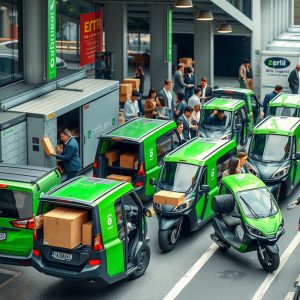
Transparency isn’t just about tracking; it’s also about speed and flexibility. Hyper-local delivery networks are making same-day and even two-hour deliveries a reality by leveraging local warehouses, dark stores, and crowdsourced couriers. These networks thrive on real-time data, dynamically rerouting packages based on traffic, weather, or customer availability. The result? Fewer missed deliveries, happier customers, and a logistics ecosystem that feels less like a rigid system and more like a responsive service.
Companies like Delhivery in India and Glovo in Europe have mastered this model, using AI to optimize routes and predict demand spikes. Their success underscores a critical truth: transparency and efficiency are two sides of the same coin. When customers see their package moving seamlessly through a hyper-local hub, they’re not just tracking a delivery—they’re witnessing logistics in action.
Sustainability Meets Transparency
As consumers grow more environmentally conscious, transparency has expanded beyond tracking to include sustainability. Shoppers now want to know not just when their package will arrive, but how it’s being delivered. Are the vehicles electric? Are the routes optimized to reduce carbon emissions? Are the packaging materials recyclable? Forward-thinking logistics providers are answering these questions with sustainable delivery solutions that offer real-time carbon footprint data alongside shipment updates.
For instance, DHL’s GoGreen Dashboard allows customers to see the environmental impact of their shipments and even opt for lower-carbon delivery methods. Similarly, Amazon’s Climate Pledge Friendly program highlights products with sustainable certifications, giving customers the transparency they need to make eco-conscious choices. This fusion of sustainability and visibility isn’t just good for the planet—it’s a powerful differentiator in a crowded market.
The Future: From Transparency to Collaboration
The next frontier in transparent logistics is collaboration. Customers don’t just want to see their delivery—they want to influence it. Dynamic delivery scheduling tools now allow shoppers to reschedule deliveries on the fly, redirect packages to a neighbor, or even change the drop-off location to a secure locker. This level of control transforms the customer from a passive recipient into an active participant in the logistics process.
Companies like UPS and FedEx are already experimenting with these features, using AI to predict the best delivery windows based on customer behavior. Meanwhile, user-friendly delivery portals are making it easier than ever for customers to manage their shipments, track returns, and communicate with couriers—all from a single dashboard. The goal? To make logistics so seamless that customers barely notice it’s happening.
In an age where trust is the ultimate currency, transparency isn’t just a feature—it’s the foundation of modern logistics. The companies that succeed won’t be the ones with the fastest trucks or the cheapest rates, but those that make customers feel seen, heard, and in control. As technology continues to evolve, the line between logistics and customer experience will blur even further, turning every delivery into an opportunity to build loyalty. And in a world where choices are endless, that loyalty might just be the most valuable asset of all.