
The Ultimate Guide to International Trading Services: Streamlining Your Global Supply Chain
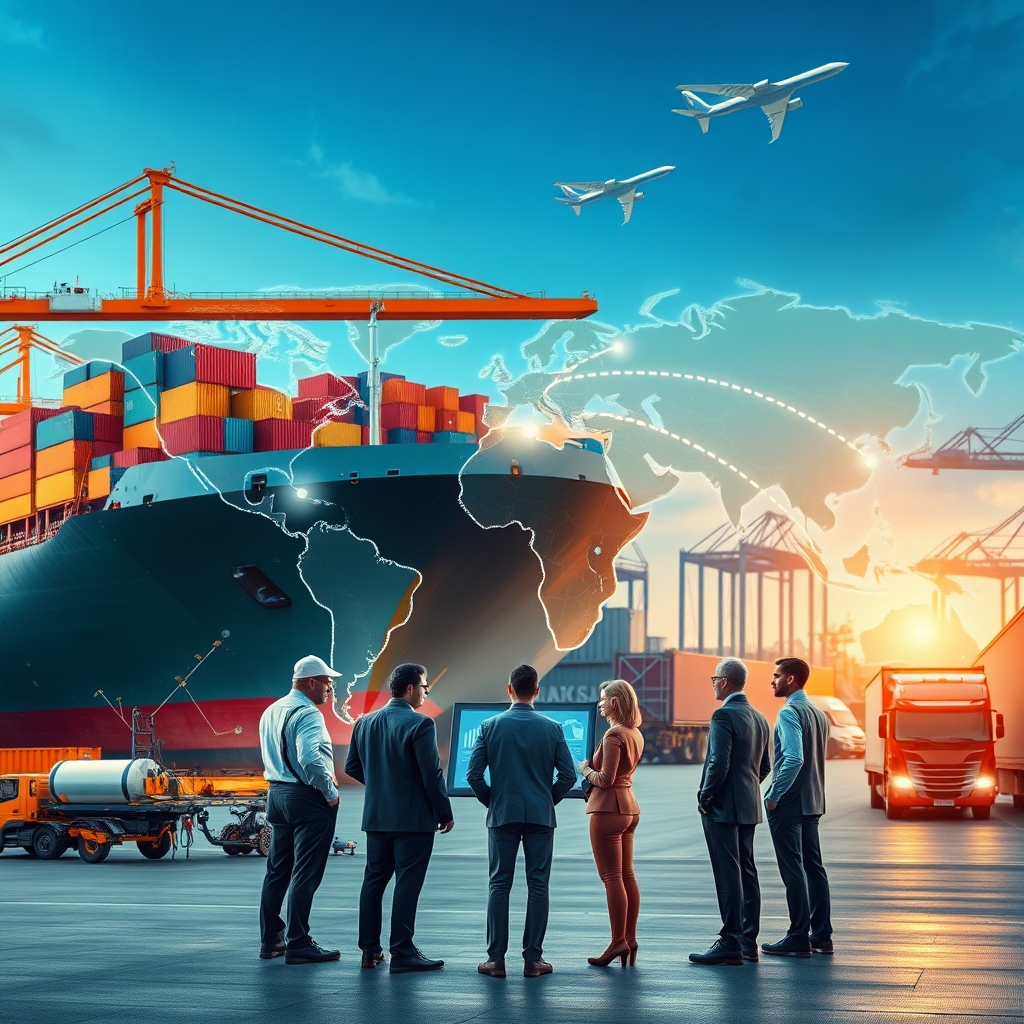
In today’s interconnected world, businesses of all sizes are expanding their reach beyond domestic borders to tap into global markets. However, navigating the complexities of international trade—from customs regulations to logistics and payment processing—can be daunting. This is where international trading services come into play, acting as the backbone of a seamless global supply chain. By leveraging these services, companies can reduce risks, improve efficiency, and focus on what they do best: growing their business.
The Role of International Trading Services
International trading services encompass a broad range of solutions designed to facilitate cross-border transactions. These services are typically offered by specialized providers who understand the intricacies of global trade, including compliance, documentation, and logistics. Their primary goal is to bridge the gap between buyers and sellers in different countries, ensuring that goods move smoothly from origin to destination.
At the core of these services is the management of the supply chain. This involves coordinating with manufacturers, freight forwarders, customs brokers, and financial institutions to ensure that products are delivered on time and in compliance with local and international laws. Whether you’re importing raw materials or exporting finished goods, international trading services help streamline the process, reducing delays and minimizing costs.
Key Components of International Trading Services
To fully grasp how these services operate, it’s essential to break down their key components:
1. Customs Clearance and Compliance
One of the most critical aspects of international trade is navigating customs regulations. Each country has its own set of rules governing imports and exports, and failing to comply can result in costly delays, fines, or even the seizure of goods. International trading services providers employ experts who stay up-to-date with these regulations, ensuring that all necessary documentation—such as commercial invoices, packing lists, and certificates of origin—is accurately completed and submitted. They also handle duties, taxes, and tariffs, helping businesses avoid unexpected expenses.
2. Freight and Logistics Management
Moving goods across borders involves multiple modes of transportation, including air, sea, rail, and road. International trading services coordinate these logistics, selecting the most efficient and cost-effective routes for shipments. They work with freight forwarders to arrange transportation, track shipments in real-time, and manage warehousing if needed. This end-to-end visibility is crucial for businesses that need to meet tight deadlines or manage inventory across multiple locations.
3. Trade Financing and Payment Solutions
International transactions often involve significant financial risks, such as currency fluctuations, payment delays, or non-payment by buyers. Trading services providers offer solutions like letters of credit, trade credit insurance, and escrow services to mitigate these risks. They also facilitate secure payment methods, ensuring that sellers receive payment promptly while buyers can verify the quality of goods before releasing funds. This financial support is especially valuable for small and medium-sized enterprises (SMEs) that may lack the resources to manage these complexities independently.
4. Risk Management and Insurance
Global supply chains are vulnerable to a variety of risks, including political instability, natural disasters, and supply chain disruptions. International trading services help businesses identify and mitigate these risks by providing insurance coverage for shipments, offering contingency planning, and advising on geopolitical factors that could impact trade. By proactively addressing potential issues, companies can avoid costly disruptions and maintain business continuity.
Benefits of Using International Trading Services
Partnering with a reputable international trading services provider offers numerous advantages for businesses looking to expand globally:
1. Cost Savings
By leveraging the expertise of trading services providers, businesses can avoid costly mistakes, such as incorrect documentation or non-compliance with regulations. These providers also have established relationships with freight forwarders and customs brokers, allowing them to negotiate better rates for transportation and clearance. Over time, these savings can significantly impact a company’s bottom line.
2. Time Efficiency
Managing international trade in-house requires significant time and resources, from researching regulations to coordinating logistics. Outsourcing these tasks to a trading services provider frees up valuable time, allowing businesses to focus on core activities like product development, marketing, and customer service. This efficiency is particularly beneficial for SMEs that may not have dedicated teams for global trade.
3. Access to Expertise
International trading services providers employ professionals with deep knowledge of global trade practices, regulations, and market trends. This expertise is invaluable for businesses entering new markets, as it helps them navigate unfamiliar territory with confidence. Providers can offer insights into local business customs, cultural nuances, and regulatory requirements, ensuring that companies make informed decisions.
4. Scalability
As businesses grow, their international trade needs evolve. Trading services providers offer scalable solutions that can adapt to changing demands, whether it’s handling larger shipment volumes, expanding into new markets, or managing more complex supply chains. This flexibility allows companies to scale their operations without the need for significant investments in infrastructure or personnel.
Choosing the Right International Trading Services Provider
With so many providers in the market, selecting the right partner for your international trading needs can be challenging. Here are some key factors to consider when making your decision:
1. Industry Experience
Look for a provider with experience in your specific industry. Different sectors have unique requirements, and a provider familiar with your industry’s nuances will be better equipped to meet your needs. For example, a company trading in perishable goods will require a provider with expertise in cold chain logistics, while a business dealing in high-value electronics may need specialized insurance coverage.
2. Global Network
A strong global network is essential for seamless international trade. Choose a provider with established relationships with freight forwarders, customs brokers, and financial institutions in the countries where you operate. This network ensures that your shipments are handled efficiently, regardless of the destination.
3. Technology and Transparency
In today’s digital age, technology plays a crucial role in international trade. Opt for a provider that offers advanced tracking and reporting tools, allowing you to monitor your shipments in real-time and access detailed analytics. Transparency is key, so ensure that the provider offers clear communication and regular updates on the status of your shipments.
4. Customer Support
International trade can be unpredictable, and issues may arise at any stage of the process. A reliable trading services provider should offer responsive customer support, with dedicated account managers who can address your concerns promptly. Look for providers that offer 24/7 support, especially if you operate in multiple time zones.
5. Reputation and Reviews
Before committing to a provider, research their reputation in the industry. Read reviews from other businesses, check for any red flags, and ask for references. A provider with a proven track record of success is more likely to deliver the level of service you expect.
Expanding your business globally is an exciting opportunity, but it comes with its share of challenges. International trading services act as a lifeline, simplifying the complexities of cross-border trade and enabling businesses to operate with confidence. By choosing the right provider, you can unlock new markets, reduce operational risks, and build a supply chain that is both resilient and efficient. Whether you’re a small business taking your first steps into international trade or a large corporation optimizing your global operations, these services provide the expertise and support needed to thrive in an increasingly interconnected world. The key lies in selecting a partner who aligns with your goals, understands your industry, and is committed to your success—because in global trade, the right connections can make all the difference.