The Hidden Costs of Global Supply Chain Inefficiencies: Why Businesses Can No Longer Afford to Ignore Them
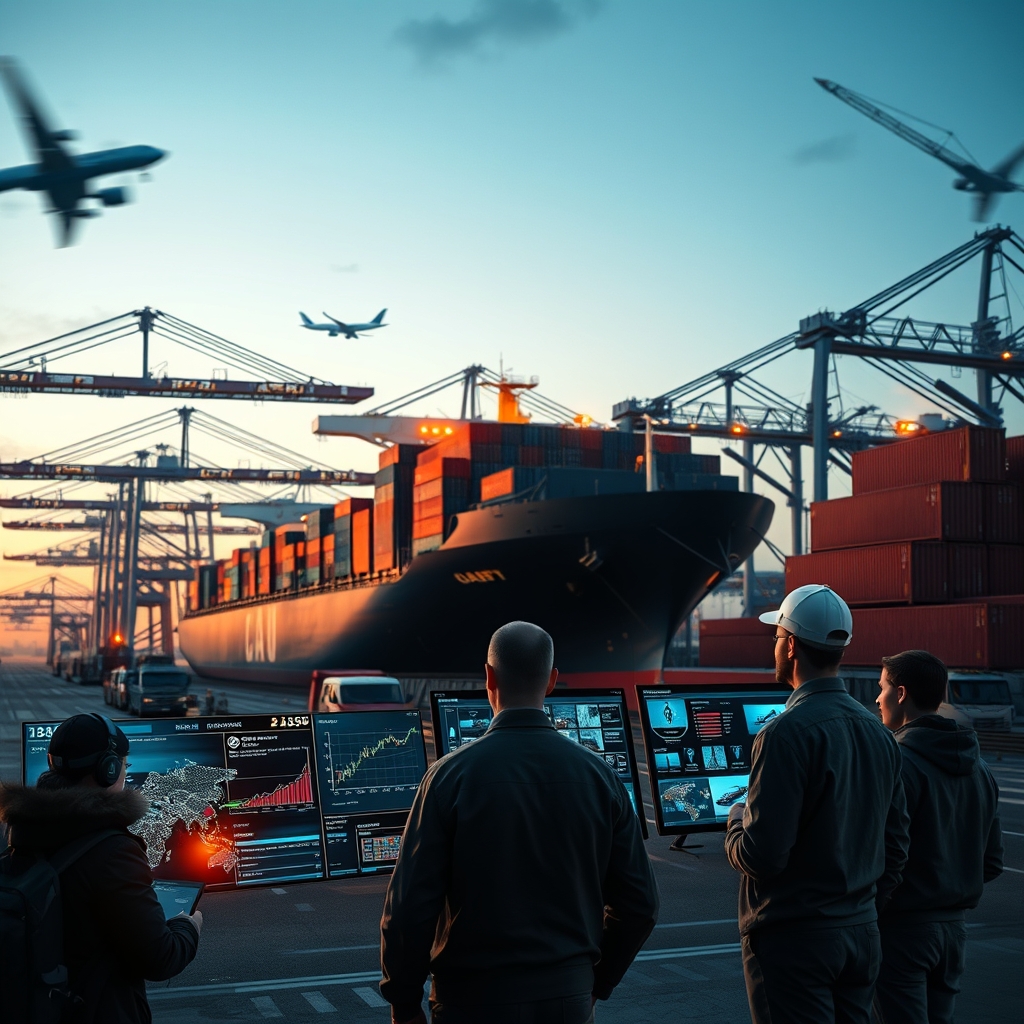
The modern global supply chain is a marvel of interconnected systems, a labyrinth of freight forwarding, land transportation, sea freight, and air cargo networks that span continents. Yet, beneath its veneer of efficiency lies a fragile ecosystem where inefficiencies fester, often unnoticed until they erupt into full-blown crises. Businesses that dismiss these hidden costs do so at their peril, as the financial and operational repercussions can be devastating.
The Illusion of Cost Savings in Freight Forwarding
Freight forwarding is often perceived as a straightforward service—moving goods from point A to point B. However, the reality is far more complex. The true cost of freight forwarding extends beyond the quoted price per container or shipment. Delays at ports, unpredictable customs brokerage fees, and inefficiencies in intermodal transport can inflate expenses exponentially. For instance, a single day’s delay at a congested port like Los Angeles or Shanghai can cost businesses thousands in demurrage fees, not to mention the ripple effects on downstream operations.
Companies that rely on outdated logistics management systems are particularly vulnerable. These systems fail to account for real-time disruptions, leaving businesses scrambling to mitigate losses. The solution? Investing in advanced cargo tracking technologies and predictive analytics to anticipate bottlenecks before they occur. Yet, many organizations hesitate, deterred by the upfront costs of digital transformation. This short-sightedness is a critical error, as the long-term savings from reduced inefficiencies far outweigh the initial investment.
The Domino Effect of Poor Warehouse Logistics
Warehouse logistics is another area where inefficiencies thrive, often under the radar. A poorly optimized warehouse layout, inadequate inventory management, or inefficient picking processes can lead to significant operational drag. For example, e-commerce logistics, which demands rapid order fulfillment, is particularly susceptible to these issues. A delay in picking or packing can cascade into missed delivery windows, eroding customer trust and increasing return rates.
The rise of third-party logistics (3PL) providers has alleviated some of these challenges, but it has also introduced new complexities. Businesses must now navigate the risks of outsourcing, including lack of visibility into warehouse operations and potential misalignment with their own supply chain solutions. The key to mitigating these risks lies in fostering transparency and collaboration with 3PL partners, ensuring that both parties are aligned on performance metrics and operational goals.
The Cold Chain Conundrum: Balancing Speed and Integrity
Cold chain logistics presents a unique set of challenges, where the stakes are not just financial but also health-related. The transportation of perishable goods—pharmaceuticals, fresh produce, or seafood—requires meticulous temperature control and rapid transit times. Any deviation from these parameters can result in spoilage, regulatory penalties, or even public health risks. Air cargo is often the preferred mode for cold chain logistics due to its speed, but it comes at a premium. Sea freight, while more cost-effective, introduces the risk of prolonged exposure to temperature fluctuations.
Businesses operating in this space must strike a delicate balance between cost and reliability. This often involves leveraging a mix of air and sea freight, depending on the urgency and value of the goods. However, the lack of standardized protocols across international shipping routes complicates matters. Import-export compliance varies by country, and businesses must navigate a patchwork of regulations to ensure their shipments meet all requirements. The consequences of non-compliance can be severe, ranging from fines to outright seizure of goods.
Intermodal Transport: The Weakest Link?
Intermodal transport—combining land transportation, sea freight, and rail—is hailed as a cost-effective and environmentally friendly solution for moving goods across long distances. Yet, it is also one of the most vulnerable points in the supply chain. The handoff between different modes of transport is a frequent source of delays and errors. A shipment delayed at a rail yard due to poor fleet management can miss its scheduled departure at a port, leading to costly rerouting or storage fees.
The solution lies in better coordination and communication between all parties involved in intermodal transport. This includes freight forwarders, port operators, and trucking companies. Technologies like blockchain can play a pivotal role here, providing a tamper-proof ledger of all transactions and movements within the supply chain. However, adoption remains slow, as many businesses are still grappling with the basics of digital integration.
The E-Commerce Logistics Paradox
E-commerce has revolutionized retail, but it has also exposed the fragility of global supply chains. The demand for express delivery has skyrocketed, placing immense pressure on logistics providers to meet tight deadlines. Yet, the infrastructure to support this demand is often lacking. Warehouses are overwhelmed, last-mile delivery networks are stretched thin, and cargo tracking systems struggle to keep up with the volume of shipments.
The result is a paradox: businesses are expected to deliver faster and cheaper, but the underlying logistics infrastructure is ill-equipped to handle the load. This has led to a surge in failed deliveries, increased customer complaints, and higher operational costs. The only way to break this cycle is through investment in automation and AI-driven logistics management. Robotics in warehouses, autonomous delivery vehicles, and machine learning algorithms for demand forecasting can help businesses stay ahead of the curve. However, these technologies require significant capital and expertise, which many small and medium-sized enterprises lack.
The global supply chain is not just a network of ships, trucks, and warehouses; it is the lifeblood of modern commerce. Inefficiencies in this system are not mere inconveniences—they are existential threats to businesses. The hidden costs of delays, compliance failures, and poor logistics management accumulate silently, eroding profits and undermining competitiveness. The businesses that thrive in this environment will be those that recognize these challenges not as obstacles, but as opportunities to innovate and adapt. The question is no longer whether to invest in supply chain solutions, but how quickly and effectively they can be implemented.