The Pulse of Global Trade: How Modern Freight Networks Are Redefining Commerce
The world hums with the relentless rhythm of commerce, a symphony of goods moving across continents, oceans, and skies. Every day, millions of tons of cargo—from the coffee beans that fuel our mornings to the semiconductors powering our digital lives—embark on journeys that span thousands of miles. Behind this seamless flow lies an intricate web of global commodity trading, freight forwarding infrastructure, and intermodal freight solutions, each thread woven together to create the backbone of modern trade. But what happens when this delicate balance is disrupted? How do businesses adapt to the ever-evolving demands of supply chain resilience in an era of uncertainty?
The Ocean’s Lifeline: The Heartbeat of Global Cargo Shipping
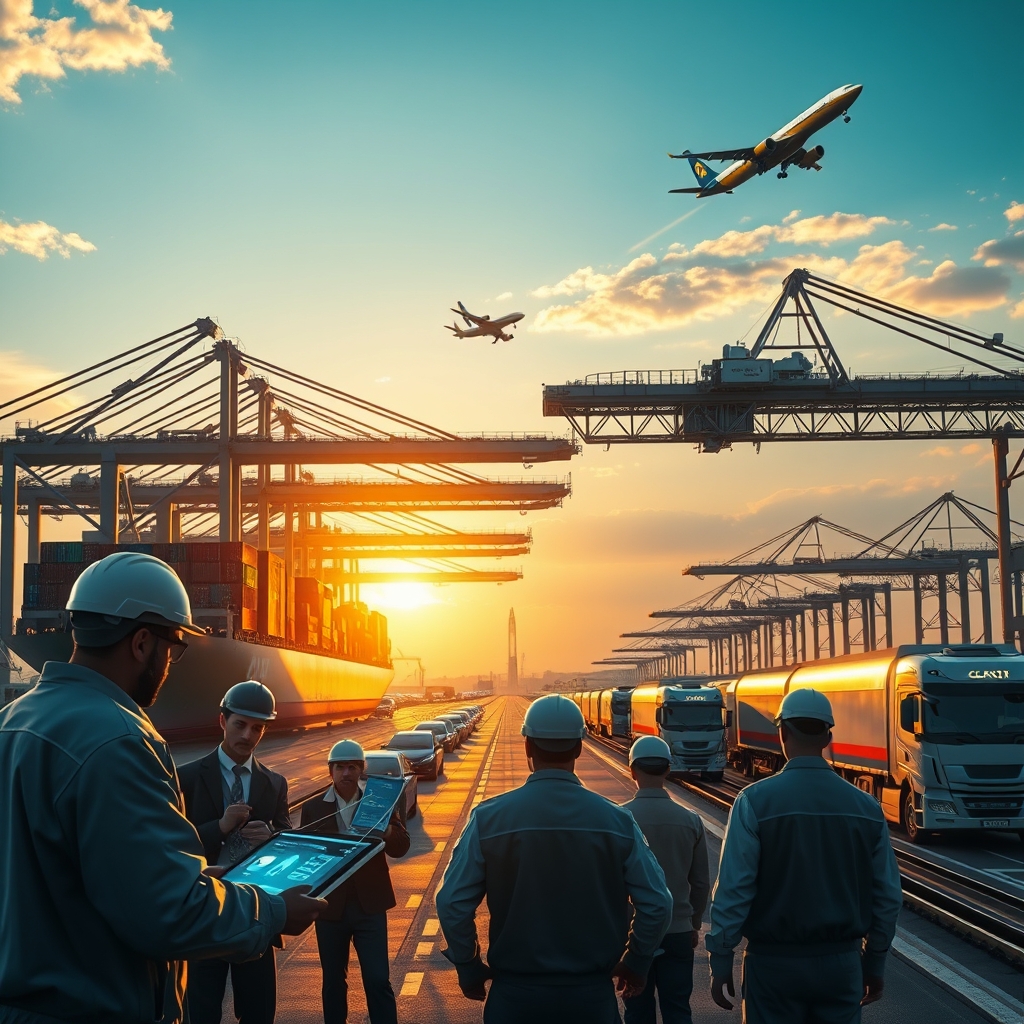
Imagine the vast expanse of the open sea, where colossal container ships slice through the waves like steel leviathans. These maritime giants are the unsung heroes of ocean cargo shipping, carrying over 80% of the world’s trade by volume. The sheer scale of these operations is staggering—ports like Shanghai, Singapore, and Rotterdam handle millions of containers annually, each one a microcosm of global commerce. Yet, the journey is fraught with challenges: volatile fuel costs, geopolitical tensions, and the ever-looming threat of natural disasters. The 2021 Suez Canal blockage, where a single grounded vessel paralyzed billions in trade, served as a stark reminder of how fragile this system can be.
But resilience is built into the DNA of modern freight networks. Advanced port terminal operations now leverage AI-driven predictive analytics to optimize berth allocations, reduce congestion, and minimize delays. Automated cranes and robotic systems work in tandem with human expertise to ensure that containers are loaded and unloaded with surgical precision. Meanwhile, digital trade finance platforms are revolutionizing how transactions are processed, slashing paperwork and accelerating the flow of capital. The result? A more agile, responsive supply chain capable of weathering even the most unpredictable storms.
Wings and Wheels: The Dual Engines of Air and Overland Freight
While the oceans bear the bulk of global trade, the skies and roads play equally vital roles in keeping the world connected. Air freight logistics is the lifeline for time-sensitive shipments—pharmaceuticals, perishable goods, and high-value electronics—where speed is non-negotiable. The COVID-19 pandemic underscored this critical function, as fleets of cargo planes became the arteries pumping vaccines and medical supplies to every corner of the globe. Yet, air freight is not without its constraints: soaring fuel prices, limited capacity, and stringent regulations demand innovative solutions.
Enter smart fleet tracking and sustainable freight transport. Real-time GPS and IoT-enabled sensors now provide end-to-end visibility, allowing logistics providers to monitor shipments with unprecedented accuracy. Meanwhile, the push for greener alternatives—such as electric cargo planes and biofuels—is reshaping the industry’s environmental footprint. On the ground, overland freight networks are undergoing their own transformation. High-speed rail corridors, like China’s Belt and Road Initiative, are redefining cross-border trade, offering faster, more cost-effective alternatives to traditional trucking. These intermodal solutions are not just about moving goods; they’re about reimagining how the world trades.
The Last Mile: Where Commerce Meets Humanity
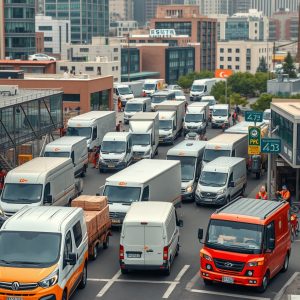
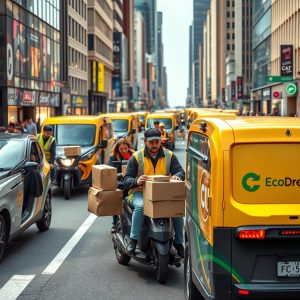
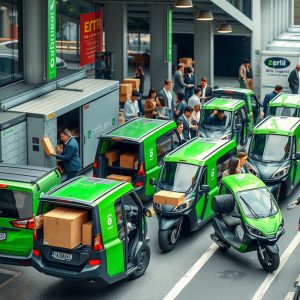
The final leg of a shipment’s journey—the last mile delivery—is often the most complex. It’s where the cold precision of logistics meets the messy, unpredictable reality of human lives. Whether it’s a farmer in rural Kenya receiving a shipment of seeds or a city dweller unboxing a new smartphone, the last mile is where the promise of global trade is fulfilled. Yet, this stage is also the most vulnerable to inefficiencies: traffic congestion, regulatory hurdles, and the sheer diversity of delivery environments make it a logistical puzzle.
Innovation is the key to unlocking this challenge. Warehouse fulfillment services are now leveraging robotics and AI to streamline order processing, while cold chain distribution networks ensure that perishable goods arrive fresh, even in the most remote locations. Meanwhile, freight brokerage services are connecting shippers with carriers in real time, creating a dynamic marketplace that adapts to demand. The rise of drone deliveries and autonomous vehicles hints at a future where the last mile is not just efficient but also sustainable, reducing emissions and congestion in urban centers.
The Human Element: Navigating Customs and Cultures
Beyond the machinery and technology, global trade is fundamentally a human endeavor. Customs clearance services are the gatekeepers of this world, ensuring that goods move smoothly across borders while complying with a labyrinth of regulations. A single misstep—a missing document, a misclassified item—can bring a shipment to a grinding halt, costing businesses millions. Yet, the human touch remains irreplaceable. Experienced customs brokers navigate these complexities with a blend of expertise and intuition, forging relationships with authorities and shippers alike.
Culture, too, plays a pivotal role. A shipment that sails through customs in Rotterdam might face delays in Mumbai due to local holidays, labor practices, or even cultural attitudes toward bureaucracy. Understanding these nuances is not just about efficiency; it’s about respect. The most successful international logistics networks are those that embrace diversity, adapting their strategies to the unique rhythms of each market. In this way, global trade becomes more than a transaction—it becomes a bridge between people, economies, and ideas.
The world of freight and logistics is a living, breathing entity, constantly evolving to meet the demands of a planet in motion. From the towering cranes of bustling ports to the quiet hum of a delivery truck on a suburban street, every link in this chain tells a story of innovation, resilience, and human ingenuity. As technology continues to push the boundaries of what’s possible, one thing remains certain: the pulse of global trade will never stop beating. It’s the rhythm of progress, the soundtrack of a world that refuses to stand still, and the invisible force that connects us all, one shipment at a time.