The Precision Edge: How Scheduled Parcel Pickup and Real-Time Tracking Are Redefining Corporate Logistics
In an era where speed and reliability are the cornerstones of modern commerce, businesses are increasingly turning to advanced courier solutions to streamline their logistics operations. The demand for scheduled parcel pickup and real-time package tracking has surged, driven by the need for predictability, efficiency, and transparency in supply chains. These innovations are not just enhancing operational workflows—they are redefining how companies approach corporate logistics, ensuring that every shipment, whether a single urgent document or bulk freight, arrives with precision.
The Rise of Scheduled Parcel Pickup: A Game-Changer for Businesses
Gone are the days when businesses had to rely on ad-hoc courier services or last-minute scrambles to get packages out the door. Scheduled parcel pickup has emerged as a transformative solution, allowing companies to plan their logistics with military-like precision. By pre-arranging pickups, businesses can align their shipping needs with their operational rhythms, reducing downtime and eliminating the inefficiencies of impromptu deliveries.
For enterprises dealing with high-volume shipments, such as e-commerce platforms or manufacturing firms, scheduled pickups offer a strategic advantage. They enable better resource allocation, from warehouse staffing to vehicle routing, ensuring that every step of the last mile delivery process is optimized. Moreover, businesses can negotiate bulk shipping discounts, further driving down costs while maintaining service quality. The result? A logistics framework that is as cost-effective as it is reliable.
How Real-Time Tracking is Building Trust in Logistics
Transparency has become a non-negotiable expectation in modern logistics. Customers and businesses alike demand visibility into their shipments, and real-time package tracking delivers just that. With advanced GPS and IoT-enabled tracking systems, companies can monitor their parcels at every stage of the journey—from the moment they leave the warehouse to their final contactless package drop-off at the recipient’s doorstep.
This level of transparency is particularly critical for B2B delivery services, where delays or miscommunications can have cascading effects on supply chains. Real-time tracking not only provides peace of mind but also empowers businesses to proactively address potential disruptions. For instance, if a shipment is delayed due to traffic or weather, logistics teams can reroute or notify stakeholders in advance, minimizing downtime and maintaining trust.
The Synergy of Automation and Human Expertise
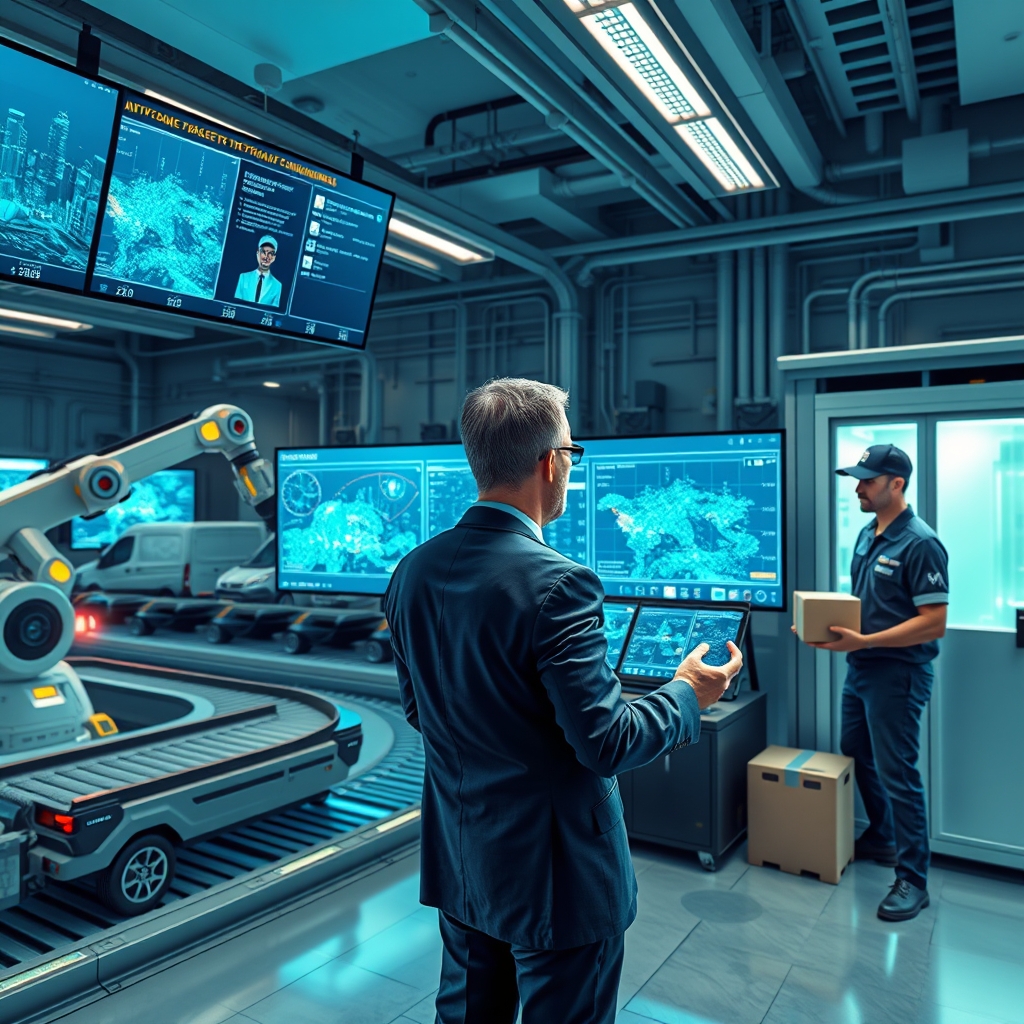
While technology plays a pivotal role in modern logistics, the human element remains indispensable. Automated pickup services and AI-driven routing algorithms enhance efficiency, but it’s the expertise of logistics professionals that ensures these systems operate seamlessly. For example, urgent document courier services still rely on skilled drivers who understand the nuances of time-sensitive deliveries, navigating urban traffic or remote locations with precision.
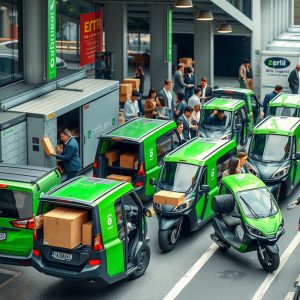
Similarly, eco-friendly delivery initiatives, such as electric vehicle fleets or optimized route planning, require a blend of technological innovation and human oversight. Businesses are increasingly adopting these sustainable practices not just to reduce their carbon footprint but also to appeal to environmentally conscious consumers. The integration of automation and human expertise creates a logistics ecosystem that is both efficient and adaptable, capable of meeting the evolving demands of modern commerce.
Adapting to the Future of Corporate Logistics
The logistics landscape is evolving at a rapid pace, with new technologies and consumer expectations shaping the future of corporate logistics. Companies that embrace scheduled parcel pickup, real-time tracking, and automated courier solutions are positioning themselves for long-term success. These innovations are not just about speed—they’re about creating a logistics framework that is resilient, transparent, and customer-centric.
As businesses continue to navigate the complexities of global supply chains, the ability to adapt and innovate will be key. Whether it’s leveraging smart locker pickup for urban deliveries or optimizing nationwide freight shipping for large-scale operations, the future of logistics lies in solutions that are as dynamic as the markets they serve. The precision edge offered by these advancements is not just a competitive advantage—it’s a necessity in an increasingly interconnected world.
The shift toward smarter, more efficient logistics is more than a trend—it’s a fundamental reimagining of how goods move across the globe. For businesses, the message is clear: those who invest in these innovations today will be the ones leading the charge tomorrow, setting new standards for speed, reliability, and sustainability in corporate logistics.