The Symphony of Speed and Sustainability: How Optimized Last Mile Delivery is Composing the Future of Logistics
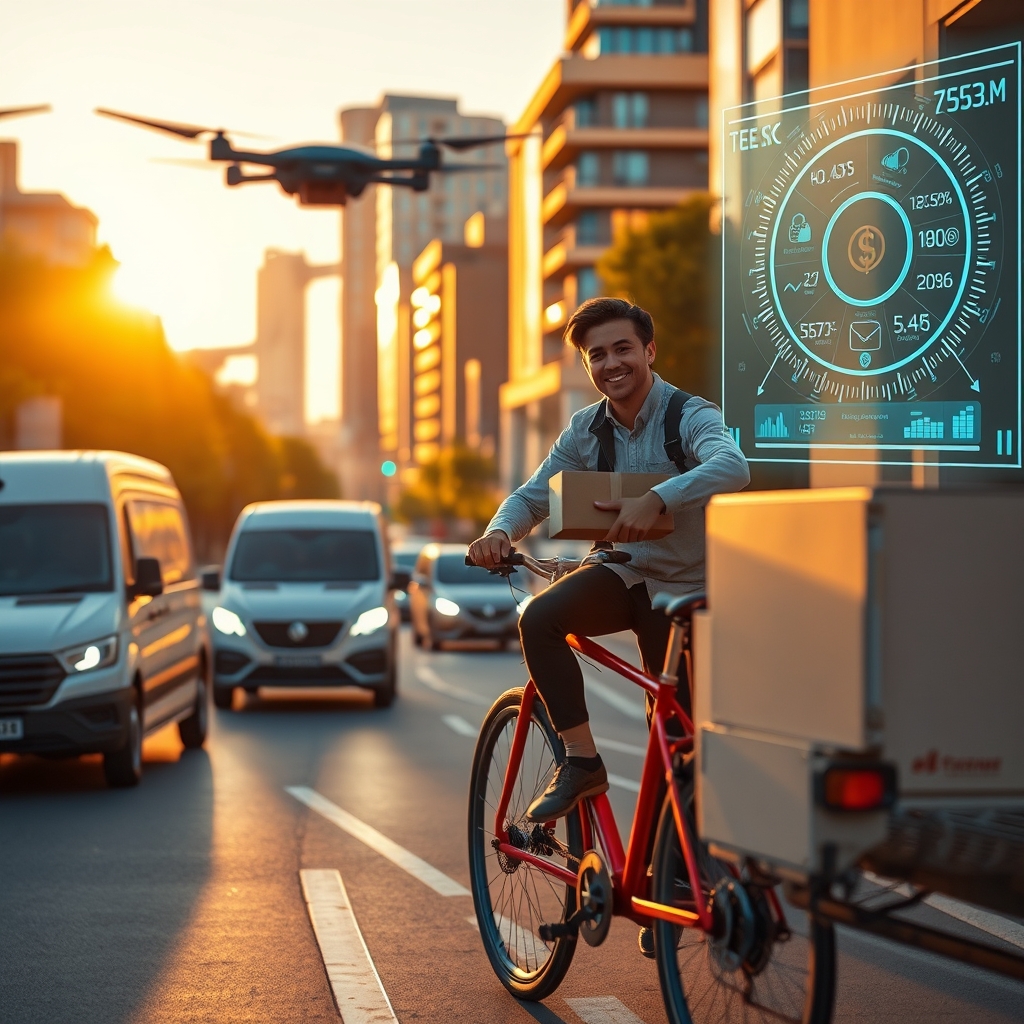
The modern consumer doesn’t just want their package delivered—they want it delivered with precision, care, and a touch of magic. The last mile of delivery, once a logistical afterthought, has now become the battleground where brands win or lose customer loyalty. It’s no longer about moving goods from point A to point B; it’s about crafting an experience that feels effortless, transparent, and even delightful. At the heart of this transformation lies a powerful blend of technology, sustainability, and customer-centric innovation, all harmonizing to redefine what delivery can—and should—be.
The Alchemy of Efficiency: Optimized Last Mile Delivery
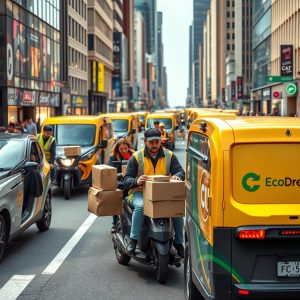
Imagine a world where every delivery van, bicycle courier, or drone follows the most efficient path, avoiding traffic snarls, reducing fuel consumption, and ensuring packages arrive not just on time, but ahead of schedule. This isn’t a futuristic fantasy—it’s the reality of optimized last mile delivery. By leveraging advanced algorithms and real-time data, logistics providers can dynamically adjust routes, consolidate shipments, and minimize idle time. The result? Faster deliveries, lower costs, and a significantly reduced carbon footprint.
Companies like Amazon and UPS have already demonstrated the power of route optimization, using machine learning to predict traffic patterns, weather disruptions, and even local events that could impact delivery times. But the true magic lies in the scalability of these solutions. Whether it’s a hyper-local bakery delivering fresh croissants or a global e-commerce giant shipping electronics, optimized last mile delivery ensures that every package reaches its destination with maximum efficiency and minimal waste.
The Pulse of Transparency: Real-Time Tracking and Beyond
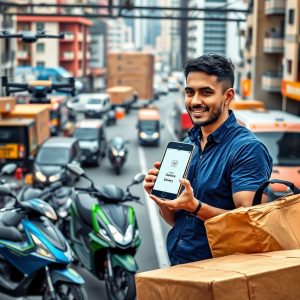
Gone are the days of refreshing a tracking page every five minutes, only to be met with the dreaded “shipment in transit” message. Today’s consumers demand—and deserve—real-time visibility into their deliveries. Real-time tracking isn’t just a feature; it’s a cornerstone of trust between brands and their customers. With live updates, estimated time of arrival (ETA) predictions, and even driver location sharing, customers are no longer left in the dark. They’re empowered with information, reducing anxiety and building confidence in the delivery process.
But transparency doesn’t stop at tracking. Forward-thinking logistics providers are taking it a step further by integrating automated notifications, personalized communication, and even interactive maps that allow customers to see exactly where their package is at any given moment. This level of detail transforms a mundane transaction into an engaging experience, one where the customer feels in control and valued.
The Green Imperative: Sustainable Delivery Solutions
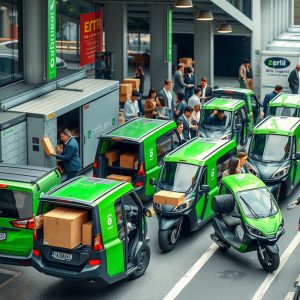
Speed and efficiency are no longer enough. Today’s consumers are increasingly eco-conscious, and they expect the brands they support to share their values. Sustainable delivery solutions are no longer a nice-to-have—they’re a must-have. From electric delivery vehicles and cargo bikes to carbon-neutral shipping options, logistics providers are reimagining the last mile with sustainability at the forefront.
Companies like DHL and FedEx are leading the charge, investing in electric fleets, renewable energy-powered warehouses, and even drone deliveries to reduce their environmental impact. But sustainability isn’t just about the vehicles—it’s about the entire delivery ecosystem. Packaging plays a crucial role, with brands adopting biodegradable materials, reusable containers, and minimalist designs to cut down on waste. Even the humble delivery route is being rethought, with logistics providers using AI to optimize paths that reduce fuel consumption and emissions.
The Human Element: Customer-Centric Logistics in Action
At its core, logistics is about people. Whether it’s the customer eagerly awaiting their package or the delivery driver navigating a bustling city, the human experience is what makes the last mile meaningful. Customer-centric logistics isn’t just about getting packages to doorsteps—it’s about creating moments of delight, convenience, and connection. This means offering flexible delivery options, such as same-day or time-slot deliveries, and ensuring that every interaction—from the first click to the final handoff—is seamless and personalized.
Take, for example, the rise of contactless delivery. In a post-pandemic world, customers have come to expect the option to receive their packages without direct interaction, whether through smart lockers, porch drop-offs, or even in-car deliveries. But contactless doesn’t mean impersonal. Brands are finding creative ways to maintain a human touch, such as handwritten notes, personalized packaging, or even augmented reality (AR) experiences that allow customers to virtually unbox their items before they arrive.
The Future is Now: Predictive Analytics and Dynamic Scheduling
The logistics industry is on the cusp of a predictive revolution. By harnessing the power of big data and machine learning, logistics providers can now anticipate customer needs before they even arise. Predictive analytics allows companies to forecast demand, optimize inventory, and even pre-position goods in warehouses close to high-demand areas. This not only reduces delivery times but also minimizes the risk of stockouts or overstocking, creating a more efficient and responsive supply chain.
Dynamic delivery scheduling takes this a step further by allowing customers to adjust their delivery preferences in real time. Need to change your delivery address last minute? No problem. Want to reschedule for a different time? Done. With dynamic scheduling, the power is in the hands of the customer, creating a delivery experience that is as flexible as it is reliable. This level of adaptability is particularly crucial for urban deliveries, where traffic, weather, and other variables can throw even the best-laid plans into chaos.
The Power of Integration: Seamless Courier Interaction
The relationship between customers and couriers is often the most visible—and vulnerable—part of the delivery process. A single miscommunication or delay can sour an otherwise positive experience. That’s why seamless courier interaction is so critical. Digital proof of delivery, for instance, ensures that both the customer and the courier have a clear record of the handoff, reducing disputes and increasing accountability. Meanwhile, responsive logistics support—whether through chatbots, customer service hotlines, or in-app messaging—provides a safety net for when things don’t go as planned.
But the future of courier interaction goes beyond just problem-solving. Imagine a world where couriers are equipped with wearable technology that provides real-time updates, navigation assistance, and even customer preferences—such as whether they prefer a friendly chat or a quick, no-nonsense handoff. This level of integration doesn’t just streamline the delivery process; it humanizes it, turning a transactional exchange into a meaningful interaction.
The last mile of delivery is no longer just a logistical challenge—it’s an opportunity to create moments that matter. By embracing optimized routes, real-time transparency, sustainable practices, and customer-centric innovations, logistics providers are not just delivering packages; they’re delivering experiences. And in a world where convenience and sustainability are no longer optional, the brands that master this symphony of speed and care will be the ones that lead the way into the future. The journey has only just begun, and the possibilities are as endless as they are exciting.