The Strategic Synergy of B2B Delivery Services and Automated Pickup in Modern Corporate Logistics
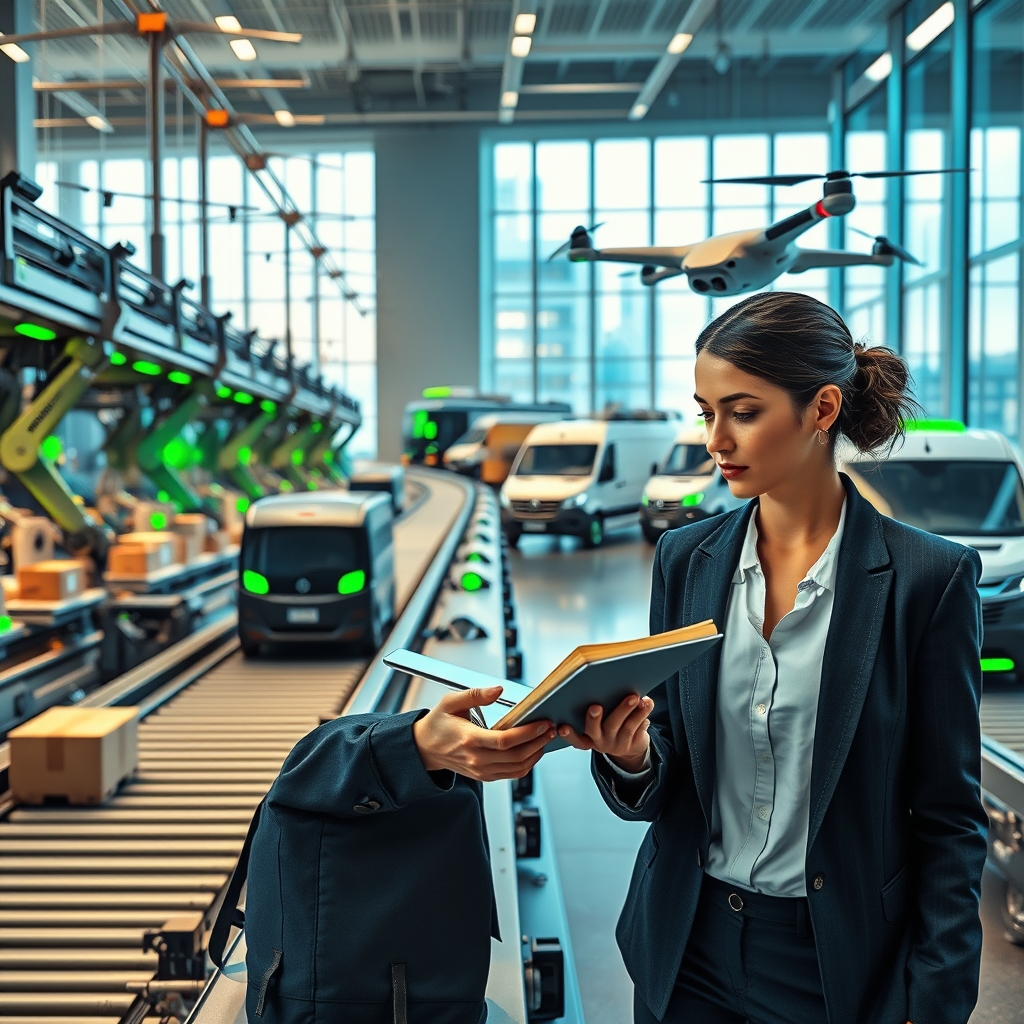
In today’s fast-paced business environment, the efficiency of corporate logistics can make or break a company’s competitive edge. As businesses expand their operations, the demand for seamless, reliable, and scalable delivery solutions has never been higher. Among the most transformative advancements in this space is the integration of B2B delivery services with automated pickup solutions, a combination that is redefining how enterprises manage their supply chains, reduce operational costs, and enhance customer satisfaction.
The Rise of B2B Delivery Services in Corporate Logistics
Business-to-business (B2B) delivery services have evolved from being a mere support function to a strategic pillar of corporate logistics. Unlike traditional consumer-focused deliveries, B2B logistics often involve larger shipments, tighter deadlines, and more complex coordination. Companies rely on business courier solutions to ensure that critical documents, equipment, and inventory reach their destinations on time, every time. The stakes are high—delays or errors in B2B deliveries can disrupt entire supply chains, leading to lost revenue and damaged partnerships.
Modern B2B delivery services are leveraging technology to offer more than just transportation. Features like real-time package tracking, scheduled parcel pickup, and bulk shipping discounts are becoming standard, allowing businesses to optimize their logistics operations. For instance, a manufacturing company can now schedule recurring pickups for raw materials, ensuring a steady flow of inputs without manual intervention. Similarly, law firms and financial institutions benefit from urgent document courier services that guarantee secure and timely delivery of sensitive paperwork.
Automated Pickup: The Game-Changer for Efficiency
While B2B delivery services address the movement of goods, automated pickup services are revolutionizing how businesses initiate those deliveries. Automation eliminates the inefficiencies of manual scheduling, reducing human error and freeing up valuable time for logistics teams. Imagine a scenario where a company’s ERP system automatically triggers a pickup request as soon as inventory levels hit a predefined threshold. The courier service receives the request, dispatches a driver, and confirms the pickup—all without a single phone call or email.
Automated pickup is particularly valuable for businesses with high-volume shipping needs. Retailers, for example, can integrate their e-commerce platforms with courier APIs to automate the dispatch of orders as soon as they are placed. This not only accelerates the fulfillment process but also reduces the risk of missed pickups or delayed shipments. For corporate clients, automated pickup services can be tailored to specific needs, such as contactless package drop-off for sensitive shipments or eco-friendly delivery options for companies prioritizing sustainability.
The Role of Smart Technology in Streamlining Operations
The synergy between B2B delivery services and automated pickup is further enhanced by smart technologies like AI and IoT. Real-time tracking systems provide businesses with end-to-end visibility of their shipments, allowing them to monitor progress, anticipate delays, and proactively communicate with stakeholders. Meanwhile, IoT-enabled devices can track environmental conditions, such as temperature or humidity, ensuring that sensitive goods like pharmaceuticals or perishable items are transported safely.
Smart lockers are another innovation that complements automated pickup. Businesses can use these secure, self-service kiosks to drop off or retrieve packages at their convenience, reducing the need for in-person interactions and minimizing wait times. This is especially useful for companies operating in urban areas where traffic and parking can complicate traditional pickup and delivery methods. By integrating smart lockers with automated pickup systems, businesses can create a seamless, 24/7 logistics network that adapts to their operational needs.
Scalability and Cost Efficiency: The Business Case for Integration
One of the most compelling advantages of combining B2B delivery services with automated pickup is scalability. As businesses grow, their logistics needs become more complex. A startup might begin with occasional shipments, but as it expands, it may require nationwide freight shipping or even international parcel shipping. Automated pickup systems can scale alongside the business, handling increased volume without requiring proportional increases in labor or resources.
Cost efficiency is another critical factor. Automated systems reduce the need for manual intervention, lowering operational costs. Additionally, businesses can take advantage of bulk shipping discounts by consolidating shipments and optimizing routes. For example, a company that previously sent multiple small shipments daily can switch to a single, larger shipment with automated scheduling, reducing per-unit shipping costs. Over time, these savings can have a significant impact on the bottom line.
Sustainability: A Growing Priority in Corporate Logistics
In an era where environmental responsibility is a key consideration for businesses and consumers alike, the integration of B2B delivery services and automated pickup also offers sustainability benefits. Automated systems optimize routes, reducing fuel consumption and emissions. Additionally, businesses can opt for eco-friendly delivery options, such as electric vehicles or carbon-neutral shipping, to further minimize their environmental footprint. By aligning logistics operations with sustainability goals, companies can enhance their brand reputation and appeal to eco-conscious partners and customers.
The future of corporate logistics lies in the seamless integration of technology and service. B2B delivery services and automated pickup are not just tools for moving goods—they are strategic assets that enable businesses to operate more efficiently, reduce costs, and meet the evolving demands of a global marketplace. As companies continue to prioritize speed, reliability, and sustainability, those that embrace these innovations will be best positioned to thrive in an increasingly competitive landscape. The shift toward smarter, more automated logistics is not just a trend; it is a fundamental evolution that is reshaping the way businesses connect, collaborate, and grow.