The Invisible Compass: How Real-Time Tracking and Personalized Logistics Are Navigating the Future of Last Mile Delivery
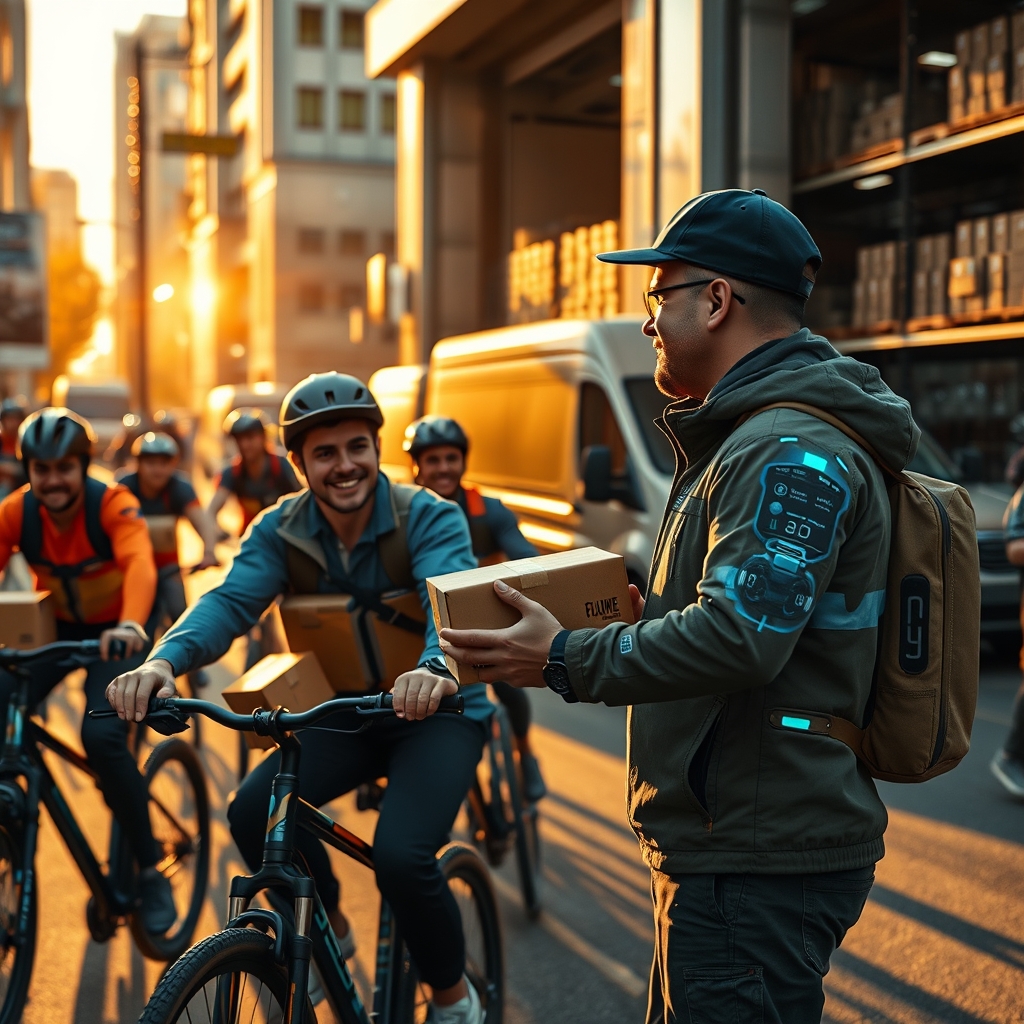
In an era where instant gratification is not just desired but expected, the last mile of delivery has become the battleground for customer loyalty. It’s no longer enough to promise delivery within a vague timeframe; today’s consumers demand precision, transparency, and a touch of personalization. The evolution of last mile logistics is not just about speed—it’s about creating an experience so seamless that the technology behind it becomes invisible, leaving only the satisfaction of a promise fulfilled.
The Power of Real-Time Tracking: Beyond the Blue Dot
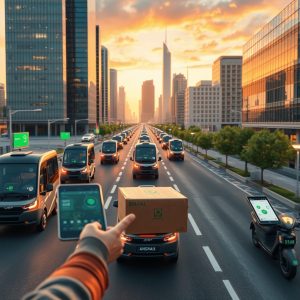
Real-time tracking has transcended its role as a mere feature to become the backbone of modern logistics. The familiar blue dot on a map is no longer just a visual aid; it’s a symbol of trust, a digital handshake between the customer and the courier. But what happens when this tracking evolves from a passive tool into an active participant in the delivery journey?
Advanced tracking systems now integrate with predictive analytics to offer more than just location updates. They provide dynamic estimated times of arrival (ETAs), factoring in real-world variables like traffic, weather, and even the courier’s current workload. This level of granularity transforms the delivery experience from a waiting game into a predictable, almost interactive event. Customers no longer stare at a static screen; they engage with a living, breathing timeline that adapts to the realities of the moment.
From Data to Dialogue: The Rise of Personalized Logistics Communication
The next frontier in last mile delivery is not just about knowing where a package is—it’s about understanding who is waiting for it. Personalized logistics communication takes the data from real-time tracking and turns it into a conversation. Imagine receiving a notification that doesn’t just say, “Your package is out for delivery,” but instead, “Hi [Name], your order is 15 minutes away, and our courier, Alex, will be at your doorstep by 3:15 PM. Need to adjust the delivery time? Tap here.”
This shift from generic updates to tailored interactions is powered by AI-driven logistics platforms that analyze customer preferences, past behaviors, and even real-time feedback. For instance, if a customer frequently reschedules deliveries to the evening, the system learns and proactively suggests alternative time slots. This level of personalization doesn’t just reduce friction; it fosters a sense of connection, making the customer feel seen and valued.
The Invisible Hand of Optimized Last Mile Delivery
Behind the scenes, the magic of optimized last mile delivery is orchestrated by a symphony of technologies working in harmony. Efficient route optimization algorithms crunch vast amounts of data to determine the most fuel-efficient, time-saving paths for couriers. These algorithms don’t just consider distance; they factor in delivery windows, traffic patterns, vehicle capacity, and even the courier’s familiarity with the route. The result? Faster deliveries, lower operational costs, and a reduced carbon footprint—all without the customer ever needing to know the complexity behind the scenes.
But optimization doesn’t stop at routes. Dynamic delivery scheduling takes this a step further by allowing customers to adjust their delivery preferences in real time. Need to reschedule because you’re stuck in a meeting? No problem. The system recalibrates the courier’s route on the fly, ensuring minimal disruption to the overall delivery network. This flexibility is the cornerstone of a customer-centric logistics model, where the delivery experience adapts to the customer’s life, not the other way around.
The Role of Hyper-Local Networks in Redefining Speed
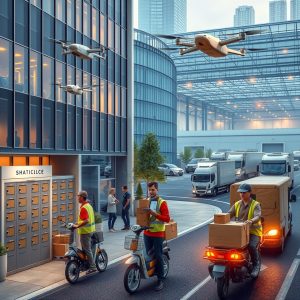
Speed in last mile delivery is no longer just about how fast a package can travel from point A to point B—it’s about how quickly it can be sourced and dispatched. Hyper-local delivery networks are revolutionizing this aspect by leveraging local warehouses, dark stores, and even retail partnerships to bring inventory closer to the end consumer. This proximity reduces transit times and enables same-day or even same-hour deliveries, a feat that was once the domain of science fiction.
These networks are particularly transformative in urban areas, where traffic congestion and high delivery volumes can create bottlenecks. By decentralizing inventory, businesses can bypass these challenges, ensuring that the last mile is not just fast but also resilient. The rise of hyper-local networks also opens the door to more sustainable delivery solutions, as shorter distances mean fewer emissions and less reliance on long-haul transportation.
The Future of Last Mile: Where Transparency Meets Trust
Transparency is the currency of trust in modern logistics. Customers don’t just want to know where their package is—they want to know why it’s there, how it got there, and what happens next. Digital proof of delivery (DPOD) systems are elevating this transparency by providing real-time, tamper-proof evidence of delivery. A photo of the package at the doorstep, a timestamped signature, or even a geotagged confirmation—these details might seem small, but they are the building blocks of a trustworthy delivery experience.
But transparency isn’t just about the end of the journey. It’s about the entire lifecycle of the delivery. Customers today expect to see the environmental impact of their delivery choices, the ethical sourcing of their products, and even the working conditions of the couriers who deliver them. Logistics providers that embrace this level of openness are not just meeting customer expectations—they are setting new standards for what it means to deliver with integrity.
The Human Element in a Digital World
For all the talk of automation and AI, the human element remains at the heart of last mile delivery. Couriers are no longer just drivers; they are the face of the brand, the final touchpoint in a customer’s journey. Responsive logistics support ensures that these couriers are equipped with the tools they need to succeed—whether it’s real-time traffic updates, customer preferences, or even language translation services for diverse neighborhoods.
Personalized logistics communication extends to the courier as well. AI-driven platforms can provide couriers with turn-by-turn navigation, customer-specific delivery instructions, and even predictive alerts for potential issues. This support doesn’t just improve efficiency; it enhances the courier’s experience, making them more engaged and motivated to deliver exceptional service.
The last mile of delivery is no longer a logistical challenge—it’s an opportunity to create moments of delight. Whether it’s the thrill of watching a package move in real time, the convenience of a perfectly timed delivery, or the satisfaction of knowing that your choices are making a difference, the future of logistics is about more than just moving goods. It’s about moving people—emotionally, ethically, and effortlessly. As technology continues to evolve, the invisible compass guiding this journey will become even more precise, ensuring that every delivery is not just a transaction, but an experience worth remembering.