The Future of Delivery: How Dynamic Scheduling and Contactless Experiences Are Crafting a Seamless Last Mile
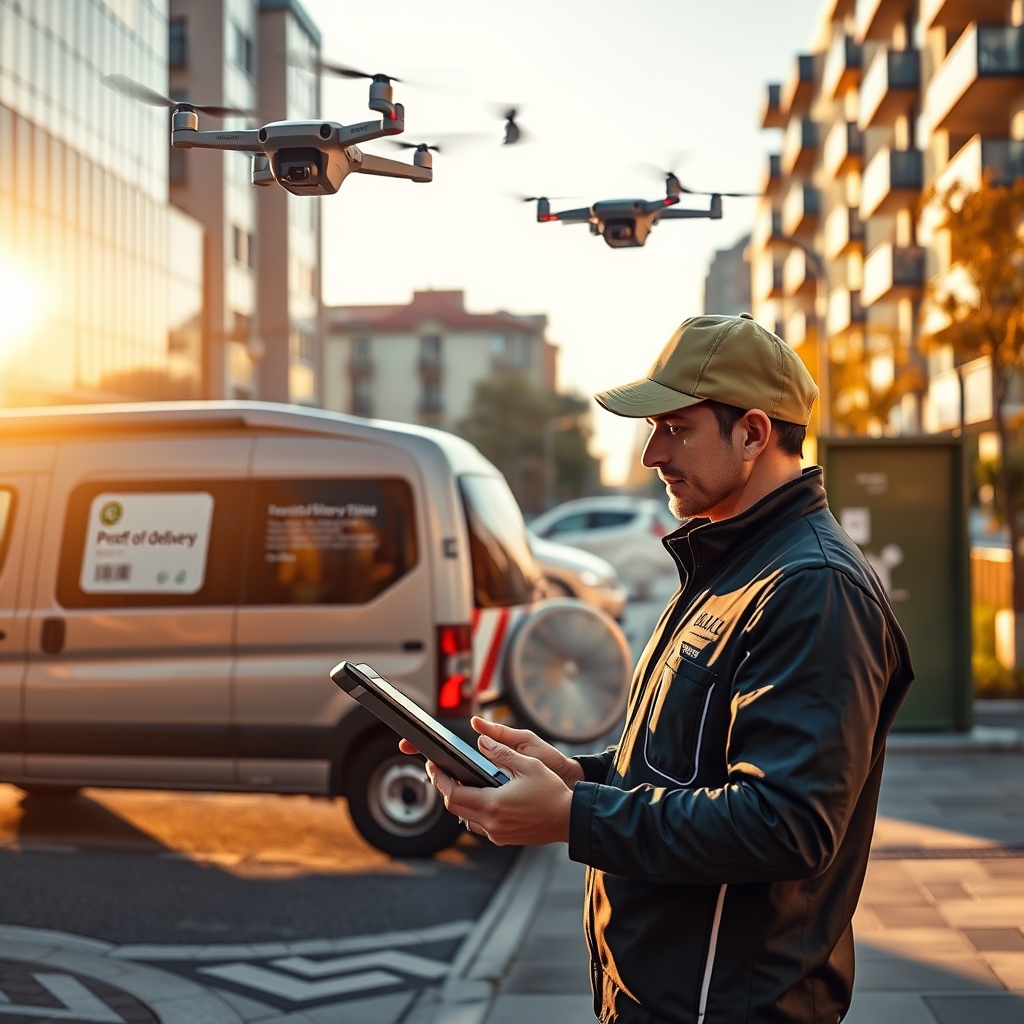
The last mile of delivery has always been the most complex and costly segment of the logistics chain. Yet, it’s also the most critical touchpoint between businesses and customers. Today, advancements in technology are transforming this final stretch into an opportunity for efficiency, sustainability, and unparalleled customer satisfaction. At the heart of this transformation are dynamic delivery scheduling and contactless experiences, two innovations that are redefining what it means to deliver with precision and care.
The Rise of Dynamic Delivery Scheduling
Gone are the days when customers were forced to wait for hours-long delivery windows or adjust their schedules to accommodate a courier. Dynamic delivery scheduling leverages real-time data, predictive analytics, and machine learning to create flexible, adaptive delivery windows that align with both operational efficiency and customer convenience. This system doesn’t just react to changes—it anticipates them.
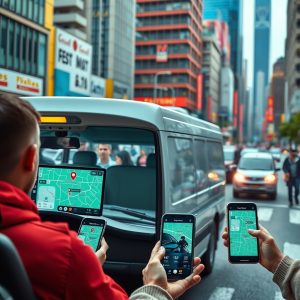
For instance, traffic patterns, weather conditions, and even historical delivery data are analyzed to optimize routes and schedules on the fly. If a delivery truck encounters unexpected congestion, the system can automatically reroute it while simultaneously notifying the customer of a revised arrival time. This level of adaptability ensures that deliveries are not only faster but also more reliable, reducing missed deliveries and the associated costs of redelivery attempts.
Businesses that adopt dynamic scheduling also benefit from improved resource allocation. By consolidating deliveries based on real-time demand, companies can reduce fuel consumption, lower emissions, and cut operational costs. It’s a win-win for both the environment and the bottom line.
The Contactless Delivery Revolution
The COVID-19 pandemic accelerated the adoption of contactless delivery, but its benefits have ensured it remains a permanent fixture in modern logistics. Contactless delivery isn’t just about minimizing physical interaction—it’s about creating a seamless, secure, and stress-free experience for customers. From digital proof of delivery to automated notifications, every step of the process is designed to eliminate friction.
One of the most significant advancements in contactless delivery is the use of digital proof of delivery (DPOD). Instead of requiring a physical signature, customers receive a notification with a photo of the delivered package, along with a timestamp and GPS coordinates. This not only speeds up the delivery process but also provides irrefutable evidence of delivery, reducing disputes and enhancing trust.
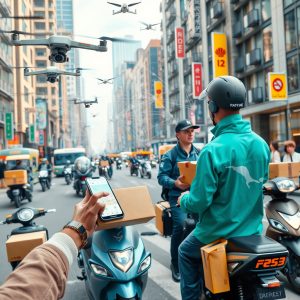
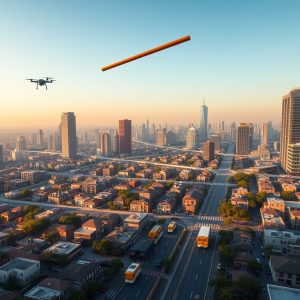
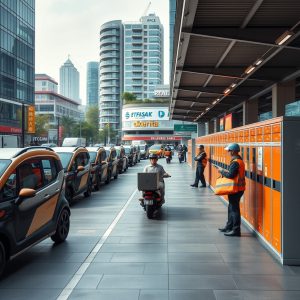
Additionally, contactless delivery extends to the use of smart lockers, automated drop-off points, and even drone deliveries in some regions. These solutions cater to the growing demand for flexibility, allowing customers to retrieve their packages at their convenience, whether it’s late at night or during a lunch break. The result is a delivery experience that feels effortless and tailored to individual lifestyles.
Enhancing Customer Trust Through Transparency
Transparency is the cornerstone of modern logistics, and dynamic scheduling and contactless delivery are built on a foundation of real-time communication. Customers today expect to know exactly where their package is, when it will arrive, and who is handling it. This level of visibility isn’t just a nice-to-have—it’s a necessity for building long-term trust and loyalty.
Advanced tracking systems provide customers with live updates, from the moment an order is processed to the second it’s delivered. Automated notifications via SMS, email, or app alerts keep customers informed at every stage, reducing anxiety and the need for customer service inquiries. For businesses, this transparency translates into fewer complaints, higher satisfaction rates, and a stronger brand reputation.
The Role of Sustainability in Last Mile Innovation
As consumers become more environmentally conscious, sustainability has emerged as a key differentiator in the logistics industry. Dynamic scheduling and contactless delivery are inherently more sustainable than traditional methods. By optimizing routes and reducing the number of failed delivery attempts, companies can significantly lower their carbon footprint.
Moreover, contactless delivery reduces the need for paper-based processes, such as physical receipts or delivery notes, further minimizing waste. Some companies are even exploring the use of electric vehicles, cargo bikes, and drones to make the last mile as green as possible. These efforts not only appeal to eco-conscious customers but also position businesses as leaders in corporate responsibility.
The Human Element in a Tech-Driven World
While technology drives these innovations, the human element remains crucial. Personalized logistics communication ensures that customers feel valued and understood. Whether it’s a tailored delivery time slot, a preferred drop-off location, or a simple thank-you message, these small touches make a big difference in how customers perceive a brand.
Responsive logistics support also plays a vital role. Even with the most advanced systems in place, issues can arise. A dedicated support team that can quickly address concerns—whether it’s a delayed delivery or a damaged package—reinforces trust and demonstrates a commitment to customer care. In an era where convenience is king, the ability to resolve problems efficiently can turn a one-time buyer into a loyal customer.
As the logistics industry continues to evolve, the focus on the last mile will only intensify. Dynamic delivery scheduling and contactless experiences are not just trends—they are the building blocks of a smarter, more sustainable, and customer-centric future. By embracing these innovations, businesses can transform the final stretch of delivery from a logistical challenge into a competitive advantage, one that delights customers and drives long-term success.