The Evolution of Last Mile Delivery: How Real-Time Tracking and Predictive Analytics Are Crafting the Future of Logistics
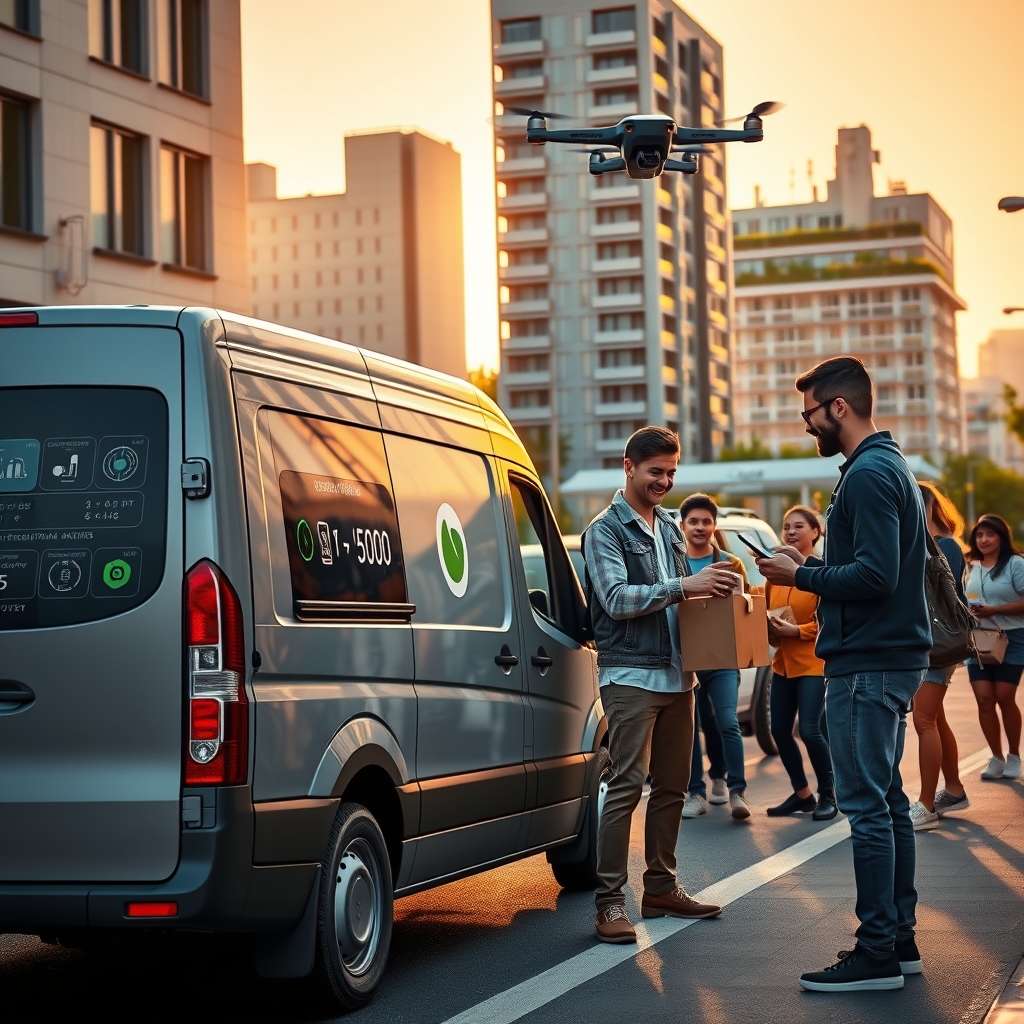
The logistics industry is undergoing a seismic shift, driven by the relentless demand for faster, smarter, and more reliable delivery solutions. At the heart of this transformation lies the last mile—the final leg of the delivery journey, where efficiency, transparency, and customer satisfaction converge. Today, businesses are no longer competing solely on price or speed; they are redefining the entire delivery experience by leveraging cutting-edge technologies like real-time tracking and predictive analytics. These innovations are not just enhancing operational efficiency but are also fostering deeper trust and loyalty among consumers.
The Power of Real-Time Tracking: A Window into the Delivery Journey
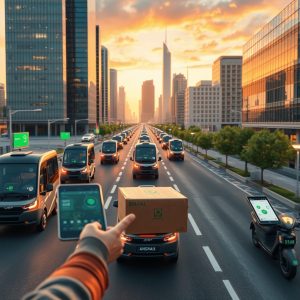
Gone are the days when customers were left in the dark, anxiously awaiting updates on their shipments. Real-time tracking has emerged as a game-changer, offering a transparent and interactive window into the delivery process. With GPS-enabled tracking systems, customers can now monitor their packages in real-time, from the moment they leave the warehouse to the second they arrive at their doorstep. This level of visibility is not just a convenience; it is a fundamental expectation in today’s digital age.
For businesses, real-time tracking is a double-edged sword. On one hand, it empowers customers with control and peace of mind, reducing the volume of support inquiries related to shipment status. On the other, it provides logistics teams with invaluable data to optimize routes, anticipate delays, and proactively communicate with customers. The result? A seamless delivery experience that builds trust and reinforces brand loyalty.
Enhancing Customer Trust Through Transparency
Transparency is the cornerstone of modern logistics. Customers want to know where their packages are, when they will arrive, and who will be delivering them. Real-time tracking systems, coupled with personalized logistics communication, deliver this transparency in spades. Automated notifications, SMS alerts, and user-friendly delivery portals keep customers informed every step of the way, eliminating uncertainty and frustration.
Moreover, digital proof of delivery (DPOD) systems are adding another layer of trust to the process. With DPOD, customers receive instant confirmation—often with a photo or electronic signature—verifying that their package has been successfully delivered. This not only reduces disputes but also enhances the overall customer experience by providing tangible evidence of delivery.
Predictive Analytics: The Crystal Ball of Last Mile Delivery
While real-time tracking provides visibility into the present, predictive analytics offers a glimpse into the future. By analyzing historical data, weather patterns, traffic conditions, and even customer behavior, predictive analytics enables logistics providers to forecast potential delays, optimize delivery routes, and allocate resources more efficiently. This proactive approach minimizes disruptions and ensures that deliveries arrive on time, every time.
Optimizing Routes for Efficiency and Sustainability
Efficient route optimization is a critical component of predictive analytics. By leveraging machine learning algorithms, logistics providers can identify the most efficient delivery paths, reducing fuel consumption, lowering carbon emissions, and cutting operational costs. This is particularly valuable in urban areas, where traffic congestion and environmental concerns are pressing challenges. Hyper-local delivery networks further enhance this efficiency by leveraging local warehouses and distribution centers, ensuring that packages reach their destinations faster and with a smaller carbon footprint.
Dynamic Delivery Scheduling: Putting the Customer First
Predictive analytics also enables dynamic delivery scheduling, a feature that puts the customer firmly in the driver’s seat. Instead of being constrained by rigid delivery windows, customers can now choose time slots that suit their schedules, even adjusting them in real-time if plans change. This level of flexibility is a hallmark of customer-centric logistics, where convenience and personalization take center stage.
The Role of Automation in Streamlining Fulfillment
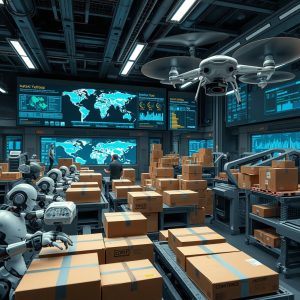
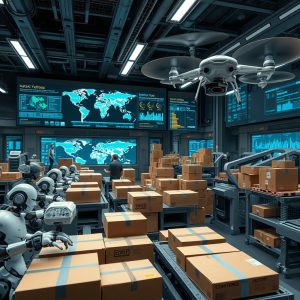
Behind the scenes, automated fulfillment processes are working tirelessly to ensure that orders are picked, packed, and shipped with precision and speed. From robotic arms in warehouses to AI-driven inventory management systems, automation is reducing human error, accelerating order processing, and enabling businesses to scale their operations seamlessly. Integrated inventory visibility ensures that stock levels are always accurate, preventing overselling and stockouts, while also enabling businesses to fulfill orders from the nearest distribution center, further reducing delivery times.
Frictionless Returns: The Unsung Hero of Customer Satisfaction
No discussion of last mile delivery would be complete without addressing the often-overlooked aspect of returns. A seamless returns process is just as important as the initial delivery, as it directly impacts customer satisfaction and loyalty. Automated returns management systems simplify the process for customers, allowing them to initiate returns, print labels, and schedule pickups with just a few clicks. This frictionless experience not only reduces the burden on customer support teams but also reinforces the customer’s trust in the brand.
The Future of Last Mile Delivery: A Holistic Approach
The future of last mile delivery is not just about speed; it is about creating a holistic, customer-centric experience that prioritizes transparency, efficiency, and sustainability. Real-time tracking and predictive analytics are the twin pillars of this evolution, enabling businesses to anticipate challenges, optimize operations, and deliver unparalleled service. Meanwhile, automation and dynamic scheduling are ensuring that logistics operations are not just efficient but also scalable, capable of adapting to the ever-changing demands of the market.
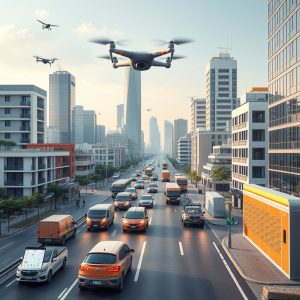
As technology continues to advance, the logistics industry will undoubtedly see even more innovations—from drone deliveries to autonomous vehicles—that will further redefine the last mile. Yet, amidst all these changes, one thing remains constant: the need to put the customer first. By embracing these technologies and prioritizing transparency, personalization, and sustainability, businesses can transform the last mile from a logistical challenge into a competitive advantage, one that fosters loyalty, drives growth, and sets the stage for the future of logistics.