
The Strategic Advantage of Hybrid Courier Models: Blending On-Demand Speed with Scheduled Reliability in Modern Logistics
In today’s fast-paced business landscape, logistics isn’t just about moving goods from point A to point B—it’s about doing so with precision, adaptability, and efficiency. Companies are no longer satisfied with one-size-fits-all delivery solutions. Instead, they’re turning to hybrid courier models that seamlessly integrate the immediacy of on-demand drop-off with the predictability of scheduled parcel pick-up. This strategic fusion is redefining how businesses manage their supply chains, ensuring that speed and reliability coexist without compromise.
The Rise of Hybrid Courier Models
The demand for flexibility in logistics has never been higher. E-commerce giants, small businesses, and corporate clients alike require solutions that can adapt to fluctuating order volumes, urgent deliveries, and tight deadlines. Traditional courier services, while reliable, often lack the agility to handle sudden spikes in demand. Conversely, purely on-demand services, though fast, can struggle with consistency and cost-effectiveness for bulk shipments. The solution? A hybrid approach that leverages the strengths of both.
Hybrid courier models combine the best of express package delivery and scheduled parcel pick-up, allowing businesses to toggle between speed and structure as needed. For instance, a retailer might use scheduled pickups for routine inventory replenishment while relying on on-demand couriers for last-minute customer orders. This dual strategy ensures that logistics operations remain fluid, responsive, and cost-efficient, regardless of the scenario.
Why Businesses Are Adopting Hybrid Logistics
The shift toward hybrid courier models is driven by several key factors. First, the rise of e-commerce order fulfillment has created a need for faster, more flexible delivery options. Customers expect same-day or next-day delivery, but businesses also need to manage costs and operational efficiency. Hybrid models allow companies to meet these expectations without overburdening their logistics infrastructure.
Second, the unpredictability of modern supply chains demands adaptability. Disruptions—whether caused by weather, geopolitical events, or sudden demand surges—require logistics providers to pivot quickly. Hybrid courier services offer the agility to switch between on-demand and scheduled deliveries, ensuring that goods continue to move smoothly even in uncertain conditions.
Finally, hybrid models support sustainability goals. By optimizing delivery routes and consolidating shipments, businesses can reduce their carbon footprint while maintaining high service levels. Eco-friendly delivery isn’t just a trend—it’s a necessity for companies looking to align with consumer values and regulatory requirements. Hybrid logistics make it possible to balance speed with sustainability, proving that efficiency and environmental responsibility can go hand in hand.
The Role of Technology in Hybrid Courier Services
At the heart of hybrid courier models is advanced technology. Real-time package tracking is a game-changer, providing businesses and customers with visibility into every stage of the delivery process. Whether a package is en route via an on-demand courier or part of a scheduled bulk shipment, real-time tracking ensures transparency and accountability.
Automation also plays a critical role. Automated pick-up services streamline the process of scheduling and managing deliveries, reducing human error and improving efficiency. For example, businesses can use digital platforms to book same-day deliveries or schedule recurring pickups, all with minimal manual intervention. This level of automation not only saves time but also enhances accuracy, ensuring that packages are picked up and delivered as planned.
Smart logistics platforms further enhance hybrid models by integrating data from multiple sources. These platforms analyze delivery patterns, predict demand, and optimize routes, allowing courier services to operate with maximum efficiency. The result is a logistics network that is both responsive and reliable, capable of adapting to the unique needs of each business.
Case Study: Hybrid Logistics in Action
Consider a mid-sized e-commerce company that sells perishable goods. During peak seasons, the company experiences a surge in orders, requiring same-day package delivery to meet customer expectations. However, during off-peak periods, the company relies on scheduled parcel pick-up to manage inventory replenishment and bulk shipments. By adopting a hybrid courier model, the company can seamlessly switch between these two modes, ensuring that deliveries are always timely and cost-effective.
The company also benefits from real-time tracking, which allows it to monitor shipments in transit and provide customers with accurate delivery estimates. This transparency builds trust and enhances the customer experience, which is critical in a competitive market. Additionally, by consolidating shipments and optimizing routes, the company reduces its environmental impact, aligning with its sustainability goals.
The Future of Hybrid Courier Services
As businesses continue to evolve, so too will their logistics needs. Hybrid courier models are poised to become the standard, offering the flexibility and efficiency that modern supply chains demand. The integration of artificial intelligence and machine learning will further refine these models, enabling even greater precision in route optimization, demand forecasting, and resource allocation.
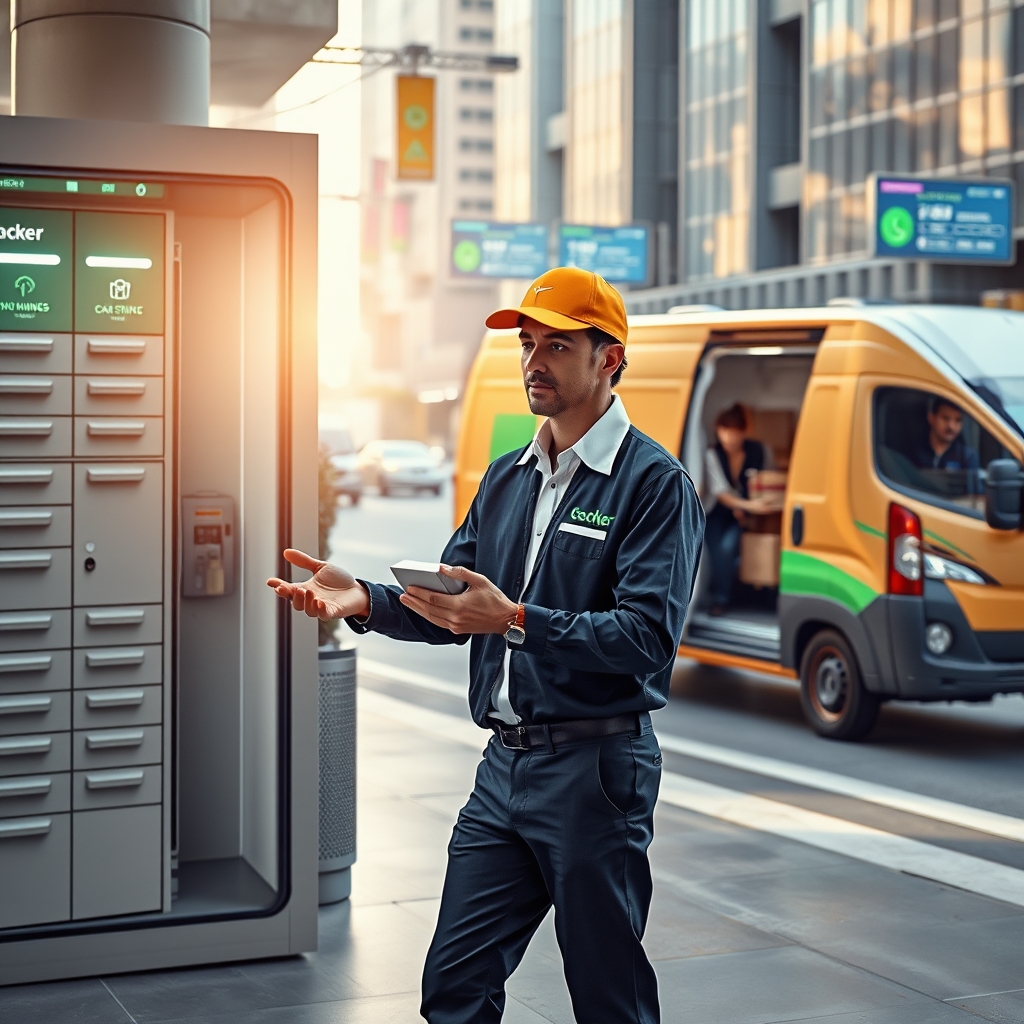
Moreover, the growth of smart locker pick-up and contactless package drop-off will complement hybrid courier services, providing customers with more delivery options. These innovations will enhance convenience and security, making it easier for businesses and consumers to manage their shipments.
For businesses, the message is clear: the future of logistics lies in adaptability. By embracing hybrid courier models, companies can ensure that their supply chains are not only efficient but also resilient in the face of change. Whether it’s a last-minute order or a routine shipment, hybrid logistics provide the tools needed to deliver with speed, reliability, and sustainability. The key to success is not choosing between speed and structure but finding the perfect balance between the two.
The logistics industry is undergoing a transformation, and those who adapt will be best positioned to thrive. Hybrid courier models are more than just a trend—they’re a strategic advantage that can propel businesses forward in an increasingly competitive landscape. By leveraging the best of both on-demand and scheduled services, companies can create a logistics strategy that is as dynamic as the markets they serve, ensuring that every delivery is a step toward greater efficiency and customer satisfaction.