The Unseen Symphony: How Hyper-Local Networks and Personalized Logistics Are Harmonizing the Last Mile Experience
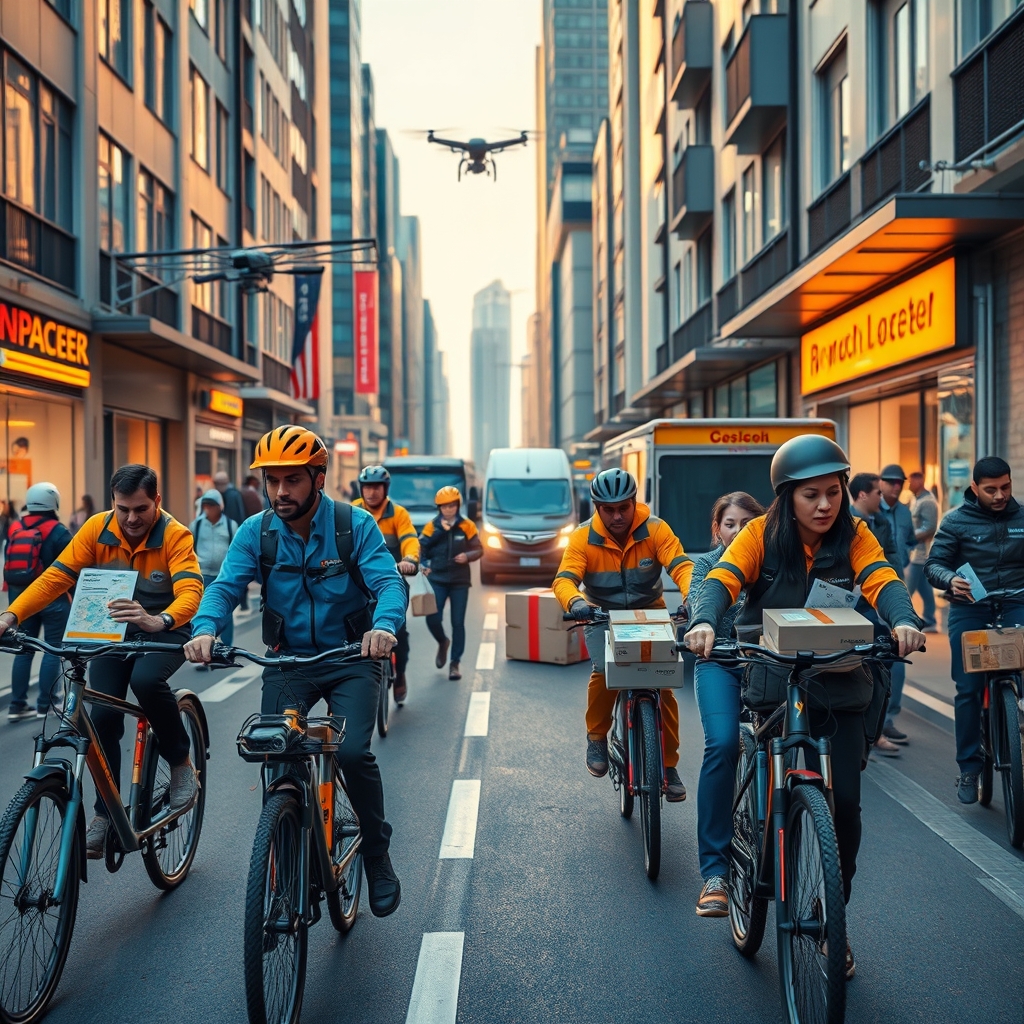
The modern logistics landscape is no longer just about moving goods from point A to point B; it’s about crafting an experience that feels effortless, intuitive, and deeply personal. At the heart of this transformation lies the fusion of hyper-local delivery networks and personalized logistics communication, two forces that are redefining how businesses connect with their customers. Together, they create a symphony of efficiency, trust, and convenience that resonates far beyond the final delivery.
The Rise of Hyper-Local Delivery Networks
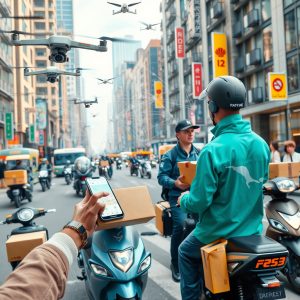
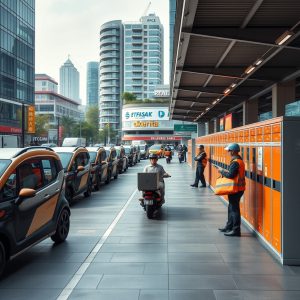
Hyper-local delivery networks are the unsung heroes of the last mile revolution. By leveraging localized hubs, micro-fulfillment centers, and on-demand courier partnerships, businesses can drastically reduce delivery times while minimizing their carbon footprint. These networks thrive in urban environments, where the density of demand allows for rapid, cost-effective deliveries. Imagine a world where a customer orders a product in the morning and receives it by lunchtime—not through a distant warehouse, but from a nearby fulfillment center that operates like a well-oiled machine.
The benefits extend beyond speed. Hyper-local networks enable businesses to adapt to real-time demand fluctuations, ensuring that inventory is always where it needs to be. This agility is particularly valuable in industries like grocery delivery, pharmaceuticals, and e-commerce, where immediacy is not just a luxury but an expectation. Moreover, by reducing the distance between storage and delivery, these networks contribute to sustainable delivery solutions, aligning with the growing consumer demand for eco-conscious logistics.
Efficient Route Optimization: The Backbone of Hyper-Local Success
For hyper-local networks to function seamlessly, efficient route optimization is non-negotiable. Advanced algorithms analyze traffic patterns, delivery windows, and even weather conditions to determine the most efficient paths for couriers. This not only accelerates deliveries but also reduces fuel consumption and operational costs. The result? A win-win for businesses and the environment alike.
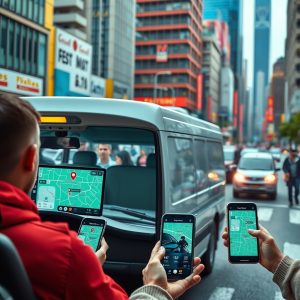
Real-time tracking further enhances this process by providing visibility into every stage of the delivery journey. Customers no longer wonder where their package is; they can see it moving toward them in real time, fostering a sense of transparency and trust. This level of visibility is no longer a differentiator—it’s a baseline expectation, and businesses that fail to deliver it risk falling behind.
The Power of Personalized Logistics Communication
While hyper-local networks address the logistical challenges of the last mile, personalized logistics communication ensures that the customer experience remains human-centric. Gone are the days of generic email updates and impersonal tracking numbers. Today’s consumers expect communication that feels tailored to their preferences, whether it’s through SMS alerts, app notifications, or even voice assistants.
Personalization goes beyond addressing the customer by name. It’s about anticipating their needs and preferences. For example, a customer who frequently orders perishable goods might appreciate proactive updates about delivery windows, while a busy professional might prefer contactless delivery options that allow them to receive their package without interrupting their day. By leveraging data and predictive analytics, businesses can craft communication strategies that feel intuitive and responsive, strengthening customer loyalty in the process.
Seamless Courier Interaction: Bridging the Digital and Physical Worlds
The interaction between couriers and customers is a critical touchpoint in the delivery experience. Digital proof of delivery, dynamic delivery scheduling, and frictionless returns management all play a role in ensuring that this interaction is smooth and hassle-free. For instance, a courier equipped with a mobile app that provides real-time updates and digital signatures can resolve delivery issues on the spot, reducing the need for follow-up calls or emails.
Moreover, responsive logistics support ensures that any hiccups—whether it’s a delayed delivery or a damaged package—are addressed promptly and empathetically. This level of service transforms a potentially frustrating experience into an opportunity to build trust. When customers feel heard and valued, they’re more likely to return, even if the occasional issue arises.
Sustainability as a Competitive Advantage
As consumers become increasingly eco-conscious, sustainable delivery solutions are no longer optional—they’re a necessity. Hyper-local networks inherently support sustainability by reducing the distance goods travel, but businesses can take it a step further by incorporating electric vehicles, biodegradable packaging, and carbon-neutral shipping options. These initiatives not only appeal to environmentally conscious customers but also position brands as leaders in corporate responsibility.
Value-added packaging is another area where sustainability and personalization intersect. Imagine receiving a package that not only protects its contents but also includes a personalized note, reusable packaging, or even a small gift. These touches elevate the unboxing experience, making it memorable and shareable. In an era where social media amplifies every customer interaction, such details can turn a one-time buyer into a lifelong advocate.
The Role of Predictive Analytics in Shaping the Future
Predictive delivery analytics are the secret sauce that ties everything together. By analyzing historical data, customer behavior, and external factors like holidays or weather events, businesses can anticipate demand and optimize their operations accordingly. This proactive approach minimizes delays, reduces costs, and ensures that customers receive their orders exactly when they expect them.
For example, a retailer might use predictive analytics to determine that a particular product is likely to see a surge in demand during a holiday weekend. By pre-positioning inventory in hyper-local hubs and adjusting delivery schedules, they can meet this demand without overburdening their logistics network. This level of foresight is what separates industry leaders from the rest.
The last mile of delivery is no longer a mere logistical challenge—it’s an opportunity to create a lasting impression. By embracing hyper-local networks and personalized logistics communication, businesses can transform the delivery experience into something that feels magical. It’s not just about getting a package to a doorstep; it’s about making the journey there as seamless, sustainable, and satisfying as possible. In this new era of logistics, the businesses that thrive will be those that recognize the power of the last mile as the first step in building a lifelong relationship with their customers.