The Invisible Engine: How Predictive Analytics and Dynamic Scheduling Are Powering the Next Wave of Last Mile Delivery
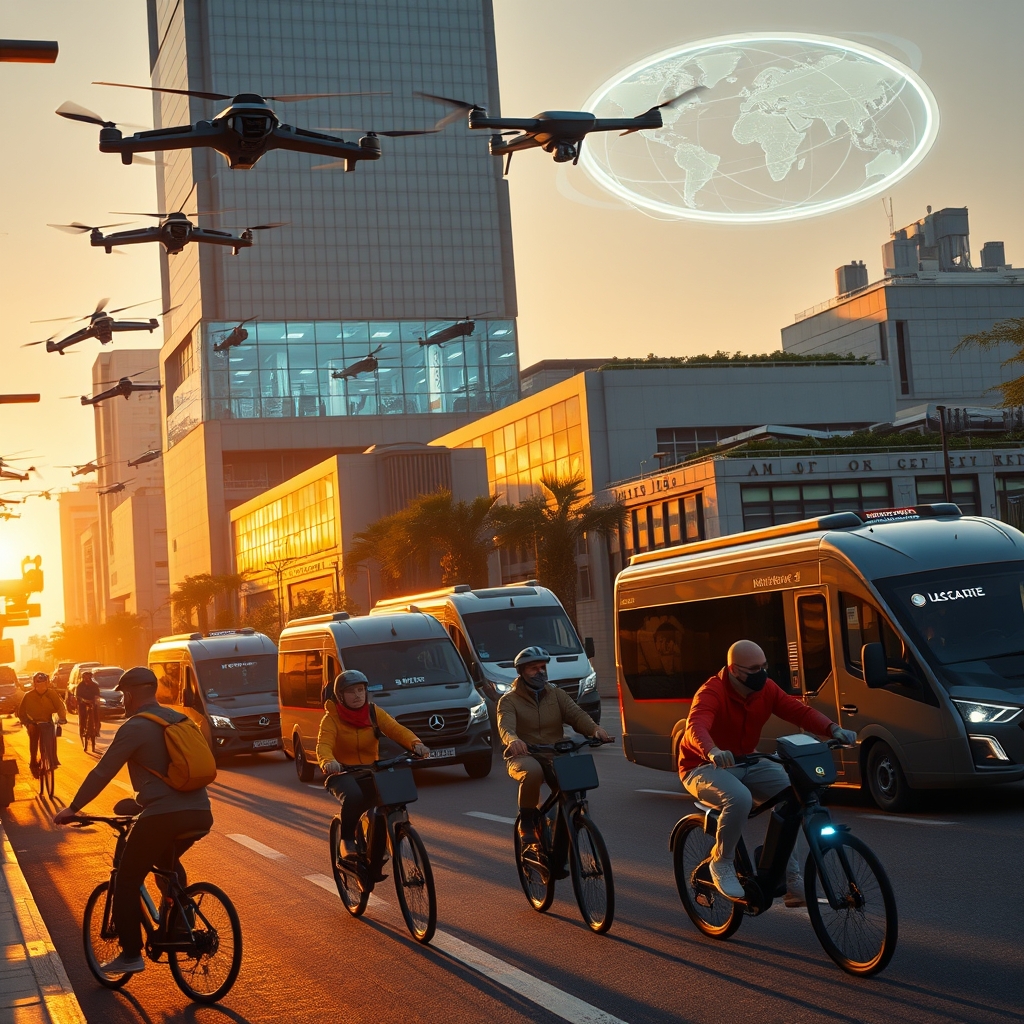
The modern consumer doesn’t just want their package delivered—they want it delivered with precision, predictability, and a touch of personalization. The last mile, once a logistical afterthought, has become the battleground where brands win or lose customer loyalty. At the heart of this transformation lies a powerful duo: predictive delivery analytics and dynamic scheduling. Together, they are not just optimizing the last mile; they are redefining what it means to deliver with intelligence, efficiency, and adaptability.
The Power of Prediction: Anticipating Needs Before They Arise
Predictive analytics in logistics is like having a crystal ball that doesn’t just show the future but actively shapes it. By analyzing historical data, real-time traffic patterns, weather conditions, and even social media trends, logistics platforms can forecast demand with uncanny accuracy. This isn’t just about knowing when a customer will place an order—it’s about understanding the ripple effects of that order on the entire delivery ecosystem.
For instance, a sudden spike in orders during a holiday weekend can overwhelm traditional delivery networks. But with predictive analytics, logistics providers can preemptively allocate resources, adjust warehouse workflows, and even reroute shipments to avoid bottlenecks. The result? Fewer delays, lower operational costs, and a seamless experience for the end customer. Companies like Amazon and UPS have already harnessed this technology to reduce delivery times by up to 30%, proving that the future of logistics isn’t just about speed—it’s about foresight.
Dynamic Scheduling: The Art of Adaptive Logistics
If predictive analytics is the brain of modern logistics, dynamic scheduling is its beating heart. Traditional delivery models operate on fixed schedules, leaving little room for flexibility. But in a world where customer expectations shift by the minute, rigidity is a recipe for inefficiency. Dynamic scheduling flips this script by continuously optimizing delivery routes and time slots in real time.
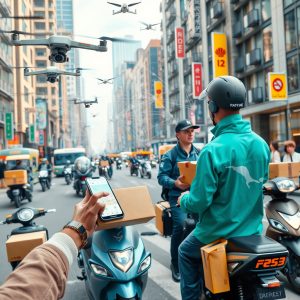
Imagine a delivery driver en route to drop off a package when a sudden traffic jam brings their progress to a halt. In a static system, this delay would cascade, affecting every subsequent delivery. But with dynamic scheduling, the system instantly recalculates the optimal route, reassigns deliveries, and even notifies customers of the revised ETA—all without human intervention. This level of adaptability doesn’t just save time; it builds trust. Customers receive transparent shipment updates that keep them informed every step of the way, turning a potential frustration into a moment of delight.
Hyper-Local Networks: The Secret Weapon of Last Mile Efficiency
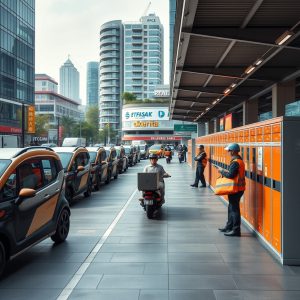
While predictive analytics and dynamic scheduling are transforming the macro-level logistics landscape, hyper-local delivery networks are revolutionizing the micro-level execution. By leveraging local warehouses, fulfillment centers, and even retail stores as distribution hubs, companies can drastically reduce the distance between the product and the customer. This isn’t just about speed—it’s about sustainability and cost-efficiency.
For example, a customer in downtown Chicago ordering a pair of shoes doesn’t need their package to travel from a warehouse in California. A hyper-local network would route the order from a nearby fulfillment center, cutting delivery time from days to hours. This approach also reduces carbon emissions, aligning with the growing demand for sustainable delivery solutions. Brands like Walmart and Target have already embraced this model, using their physical stores as mini-distribution centers to enable same-day or even two-hour deliveries.
The Human Element: Personalization in a Data-Driven World
In the race to optimize logistics, it’s easy to overlook the human element. Yet, personalized logistics communication is what turns a transactional experience into a relational one. Customers don’t just want their packages delivered—they want to feel understood. This is where data-driven personalization comes into play.
By integrating customer preferences, past purchase behavior, and even communication styles, logistics providers can tailor every interaction. A customer who prefers evening deliveries might receive a notification suggesting a time slot between 6 PM and 8 PM, while another who values sustainability might be offered a carbon-neutral shipping option. These small touches add up, fostering a sense of loyalty that goes beyond price or speed. Companies like FedEx and DHL have invested heavily in customer-centric logistics, using AI-driven chatbots and personalized portals to create a seamless, human-like interaction.
The Road Ahead: Where Technology Meets Trust
The future of last mile delivery isn’t just about faster trucks or smarter algorithms—it’s about building a system that is as responsive as it is reliable. Predictive analytics and dynamic scheduling are the tools that make this possible, but their true power lies in their ability to create a delivery experience that feels effortless, transparent, and deeply personal. As logistics providers continue to refine these technologies, the line between expectation and reality will blur, setting a new standard for what it means to deliver not just a package, but an experience.
The last mile is no longer the final step in a journey—it’s the first step in a relationship. And in a world where trust is the ultimate currency, those who master the art of intelligent, adaptive, and customer-focused delivery will lead the way.