Redefining the Delivery Experience: How Transparency, Efficiency, and Sustainability Are Shaping the Future of Logistics
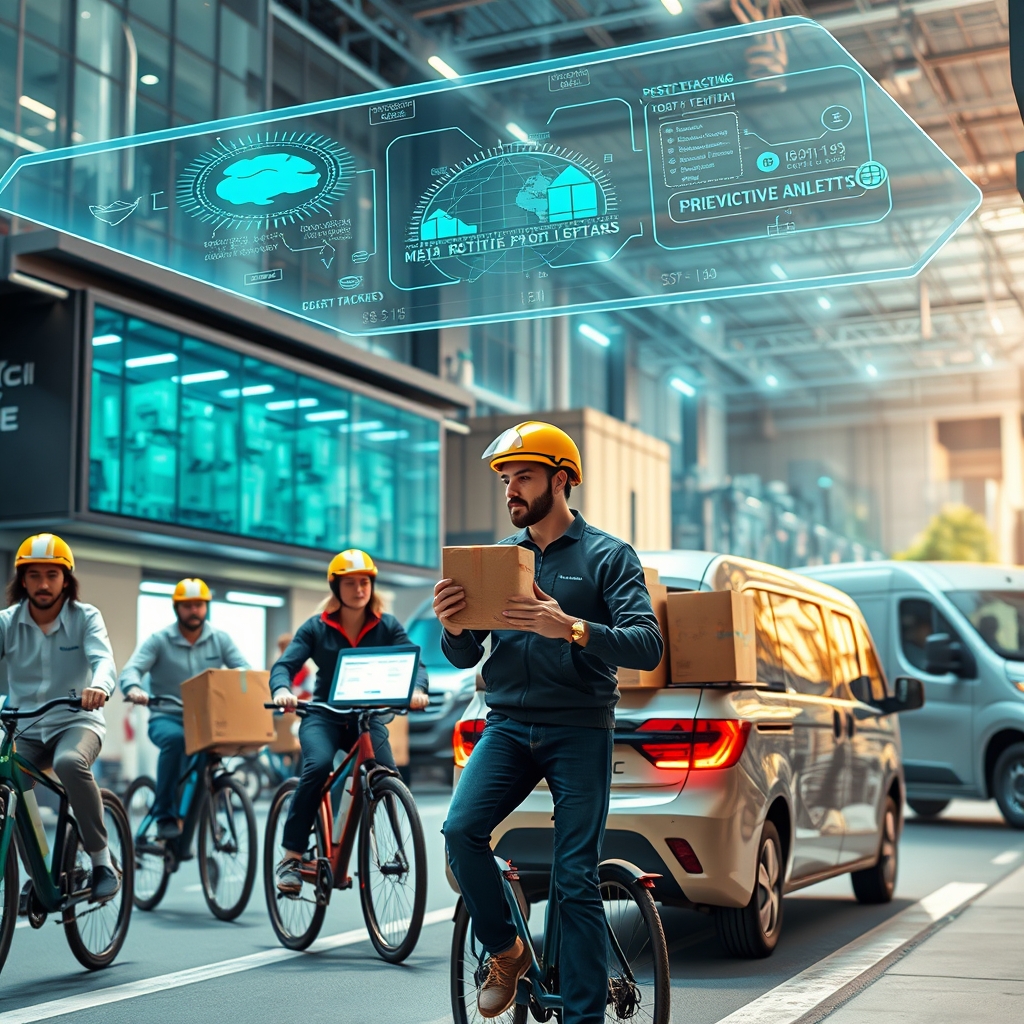
In an era where instant gratification is not just desired but expected, the logistics industry is undergoing a profound transformation. The focus has shifted from merely delivering packages to crafting an experience that is seamless, transparent, and deeply personalized. At the heart of this evolution lies a combination of cutting-edge technology and customer-centric strategies that are redefining what it means to move goods from point A to point B. The modern consumer doesn’t just want their order delivered; they want to feel connected to the journey every step of the way.
The Power of Real-Time Transparency
Gone are the days when customers were left in the dark, wondering about the status of their shipments. Today, real-time tracking experiences have become the gold standard in logistics, offering unparalleled visibility into the delivery process. Advanced GPS and IoT-enabled devices allow customers to monitor their packages in real-time, from the moment they leave the warehouse to the second they arrive at their doorstep. This level of transparency doesn’t just build trust—it transforms the entire delivery experience into something interactive and engaging.
But transparency goes beyond just tracking. Transparent shipment updates provide customers with proactive notifications, whether it’s a delay due to unexpected traffic or a confirmation that their package is out for delivery. These updates are no longer generic; they are tailored to the customer’s preferences, ensuring that the communication feels personal and relevant. The result? A sense of control and confidence that keeps customers coming back.
Efficiency Meets Sustainability: The Dual Pillars of Modern Logistics
Efficiency has always been a cornerstone of logistics, but today, it must coexist with sustainability. Optimized last-mile delivery is no longer just about speed—it’s about doing more with less. Companies are leveraging predictive delivery analytics to anticipate demand, optimize routes, and reduce fuel consumption. By analyzing historical data and real-time conditions, logistics providers can dynamically adjust delivery schedules, ensuring that vehicles are always taking the most efficient path while minimizing their carbon footprint.
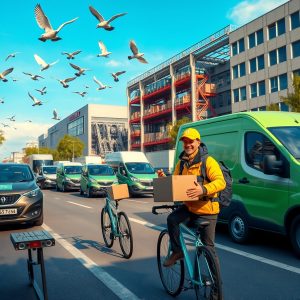
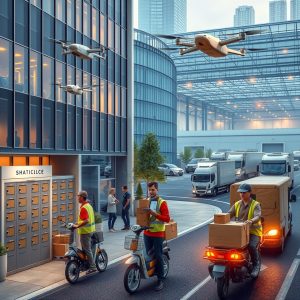
Sustainable delivery solutions are also gaining traction, with companies exploring electric vehicles, bike couriers, and even drone deliveries to reduce emissions. These initiatives are not just good for the planet—they resonate with consumers who are increasingly making purchasing decisions based on a brand’s environmental impact. The logistics industry is proving that efficiency and sustainability are not mutually exclusive; in fact, they are two sides of the same coin.
The Rise of Hyper-Local and Personalized Logistics
The demand for faster deliveries has given rise to hyper-local delivery networks, where goods are stored in micro-fulfillment centers closer to the end consumer. This approach not only reduces delivery times but also lowers transportation costs and emissions. By decentralizing inventory, companies can respond more quickly to local demand, ensuring that popular items are always in stock and ready to ship.
Personalization is another key trend shaping the future of logistics. Personalized logistics communication ensures that customers receive updates and offers that are relevant to their preferences and behaviors. Whether it’s a notification about a preferred delivery time slot or a tailored recommendation for future purchases, personalized communication enhances the customer experience and fosters loyalty. This level of customization is made possible by data analytics and AI, which allow companies to anticipate customer needs before they even arise.
Seamless Returns and Frictionless Experiences
While deliveries are a critical part of the logistics process, returns are equally important. A frictionless returns management system can make or break a customer’s perception of a brand. Companies are investing in automated returns portals, prepaid return labels, and even in-store return options to make the process as painless as possible. The goal is to turn a potentially negative experience into an opportunity to reinforce customer trust and satisfaction.
Digital tools like user-friendly delivery portals and seamless courier interactions further enhance the experience. Customers can reschedule deliveries, provide specific instructions, or even authorize contactless drop-offs with just a few clicks. These features not only improve convenience but also reduce the likelihood of failed deliveries, saving time and resources for both the customer and the logistics provider.
Technology as the Enabler of Change
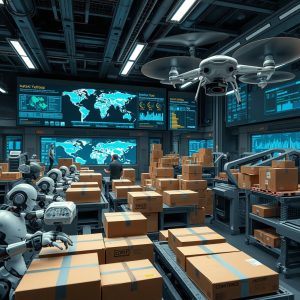
At the core of these advancements is technology. Automated fulfillment processes streamline warehouse operations, reducing human error and speeding up order processing. Integrated inventory visibility ensures that stock levels are always accurate, preventing overselling and stockouts. Meanwhile, digital proof of delivery provides instant confirmation that a package has been successfully delivered, complete with timestamps and recipient signatures.
AI and machine learning are also playing a pivotal role in predictive delivery analytics, enabling companies to forecast demand with remarkable accuracy. This not only helps in optimizing inventory but also in planning delivery routes and schedules more effectively. The result is a logistics ecosystem that is not just reactive but proactive, anticipating challenges before they arise and adapting in real-time.
The Human Touch in a Digital World
Despite the heavy reliance on technology, the human element remains crucial. Responsive logistics support ensures that customers have access to help whenever they need it, whether through chatbots, customer service hotlines, or in-person assistance. The goal is to create a support system that is as agile and adaptive as the logistics operations themselves. When issues arise, customers want to know that there’s a team ready to resolve them quickly and efficiently.
Even in a world dominated by automation, the importance of value-added packaging cannot be overlooked. Thoughtful packaging not only protects the product but also enhances the unboxing experience. Brands are using sustainable materials, personalized notes, and even interactive elements to make the moment of delivery feel special. These small touches can turn a routine transaction into a memorable experience, strengthening the emotional connection between the customer and the brand.
The logistics industry is no longer just about moving goods—it’s about creating a delivery experience that is efficient, transparent, and deeply customer-centric. As technology continues to evolve, so too will the expectations of consumers. Companies that embrace these changes, prioritizing both innovation and sustainability, will not only meet these expectations but exceed them. The future of logistics is here, and it’s more dynamic, responsive, and personalized than ever before. The question is no longer whether businesses can adapt, but how quickly they can do so to stay ahead in this rapidly changing landscape.