The Future of Express Delivery: How On-Demand and Eco-Friendly Courier Services Are Meeting Modern Demands
The logistics landscape is evolving at an unprecedented pace, driven by the relentless demand for speed, convenience, and sustainability. Businesses and consumers alike are no longer satisfied with traditional delivery models that prioritize cost over efficiency or environmental impact. Instead, they are turning to innovative courier solutions that blend on-demand flexibility with eco-friendly practices, ensuring that packages arrive faster, smarter, and with a smaller carbon footprint. This shift is not just a trend—it’s a fundamental transformation in how goods move from point A to point B.
The Rise of On-Demand Courier Services
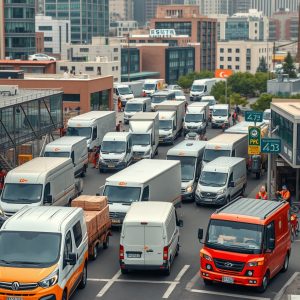
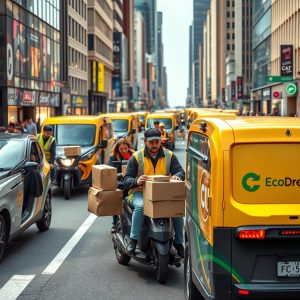
Gone are the days when businesses had to plan shipments days or even weeks in advance. On-demand courier services have revolutionized the way companies handle logistics, offering same-day or even hourly delivery options that cater to urgent needs. Whether it’s an e-commerce retailer fulfilling a last-minute order or a corporate office sending time-sensitive documents, on-demand services provide the agility required in today’s fast-paced world. These services are particularly valuable for local courier needs, where proximity allows for rapid turnaround times without compromising reliability.
For businesses, the ability to schedule parcel pickups or drop-offs at their convenience is a game-changer. Automated pickup services, for instance, allow companies to integrate courier requests directly into their workflows, reducing manual intervention and minimizing delays. This level of automation not only streamlines operations but also enhances accuracy, ensuring that packages are collected and delivered without error. The result? A seamless logistics experience that aligns with the dynamic nature of modern commerce.
Sustainability Takes Center Stage
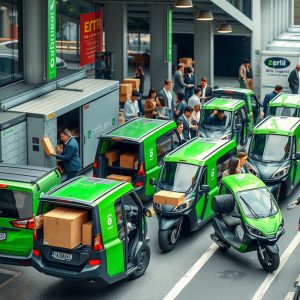
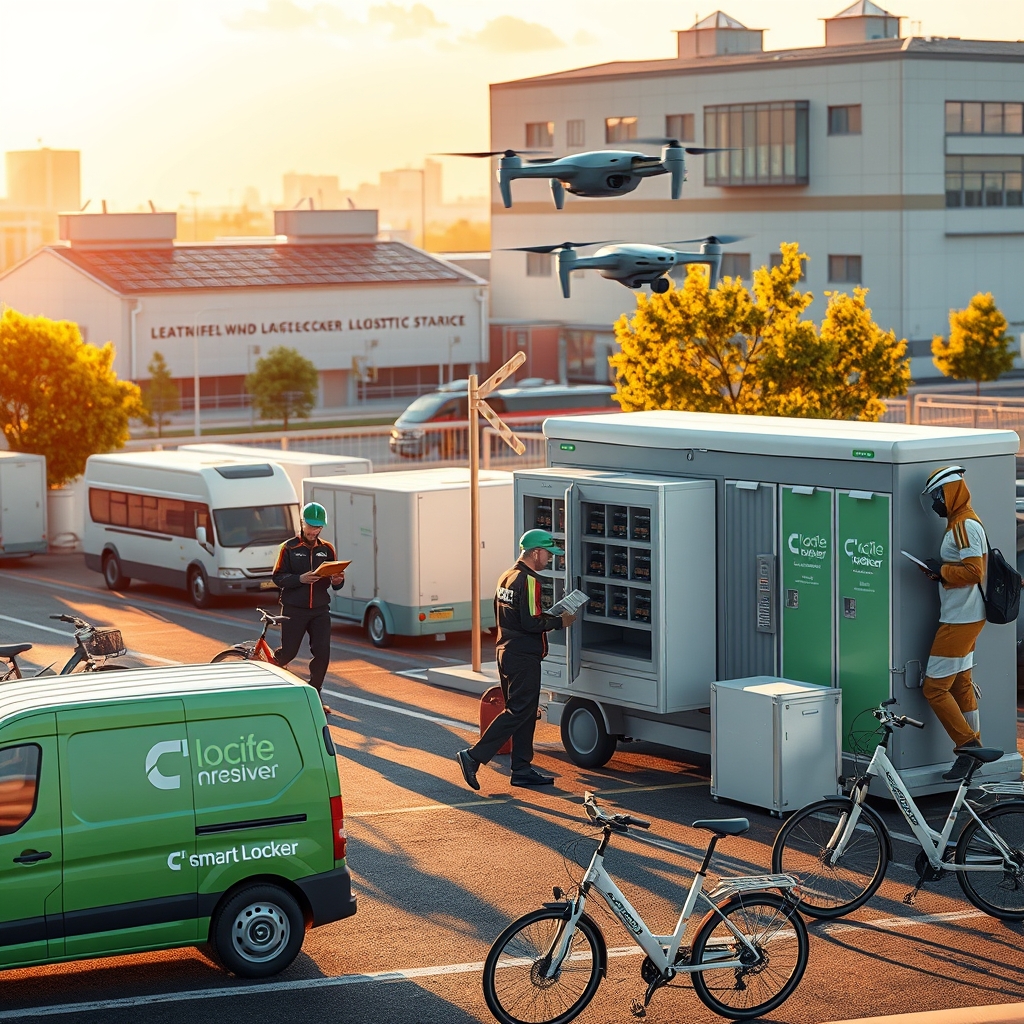
While speed and efficiency are critical, sustainability has emerged as a non-negotiable priority in the logistics industry. Consumers are increasingly conscious of their environmental impact, and businesses are responding by adopting eco-friendly delivery practices. From electric delivery vehicles to optimized routing that reduces fuel consumption, courier services are finding innovative ways to minimize their carbon footprint. Some companies are even exploring alternative delivery methods, such as cargo bikes or drones, to further reduce emissions in urban areas.
Eco-friendly delivery isn’t just about reducing emissions—it’s also about rethinking the entire supply chain. For example, smart locker pickup systems allow consumers to retrieve their packages at their convenience, eliminating the need for multiple delivery attempts and reducing unnecessary travel. Similarly, bulk shipping discounts incentivize businesses to consolidate shipments, cutting down on the number of trips required. These initiatives not only benefit the environment but also enhance operational efficiency, proving that sustainability and profitability can go hand in hand.
The Role of Technology in Modern Logistics
At the heart of this logistics revolution is technology. Real-time package tracking, for instance, has become a standard expectation for both businesses and consumers. The ability to monitor a package’s journey from dispatch to delivery provides transparency and peace of mind, fostering trust in the courier service. Advanced tracking systems also enable businesses to proactively manage delays or issues, ensuring that customers are kept informed every step of the way.
Artificial intelligence and machine learning are also playing a pivotal role in optimizing logistics operations. Predictive analytics can forecast demand, allowing courier services to allocate resources more effectively. Route optimization algorithms ensure that deliveries are made in the most efficient manner possible, reducing fuel consumption and delivery times. Meanwhile, automated systems handle everything from parcel sorting to customer notifications, freeing up human resources to focus on more complex tasks.
Meeting the Needs of Businesses and Consumers
The modern courier service is no longer a one-size-fits-all solution. Instead, it’s a tailored experience that caters to the unique needs of different industries. For e-commerce businesses, order fulfillment services ensure that products are picked, packed, and shipped with precision, meeting the expectations of today’s discerning consumers. For corporate clients, B2B delivery services offer specialized solutions, such as urgent document courier or nationwide freight shipping, designed to support their operational needs.
Residential parcel drop-off services have also evolved to meet the demands of consumers who value convenience. Contactless package drop-off, for example, provides a safe and secure way to deliver packages without requiring a signature, reducing the risk of missed deliveries. Smart lockers, meanwhile, offer a flexible alternative for consumers who may not be home during delivery hours, allowing them to retrieve their packages at a time that suits them.
The Global Dimension: International Parcel Shipping
In an increasingly interconnected world, international parcel shipping has become a critical component of the logistics ecosystem. Businesses looking to expand their reach rely on courier services that can navigate the complexities of cross-border shipping, from customs compliance to last-mile delivery in foreign markets. The ability to offer seamless international shipping not only opens up new revenue streams but also enhances customer satisfaction by providing a consistent experience, regardless of location.
However, international shipping comes with its own set of challenges. Delays at customs, fluctuating shipping costs, and varying regulations can complicate the process. To address these issues, courier services are leveraging technology to streamline cross-border logistics. Automated customs clearance, for instance, reduces the time it takes for packages to move through international checkpoints, while real-time tracking provides visibility into the shipping process, allowing businesses to manage expectations and mitigate potential issues.
The logistics industry is at a crossroads, where the demands of speed, sustainability, and convenience intersect. As businesses and consumers continue to prioritize these factors, courier services must adapt by embracing innovation and rethinking traditional delivery models. Whether it’s through on-demand services, eco-friendly practices, or cutting-edge technology, the future of express delivery lies in solutions that are not only efficient but also responsible. The companies that succeed in this new era will be those that recognize logistics as more than just a means of moving goods—it’s a critical component of a sustainable, customer-centric future.