
The Human Touch in a Digital Age: How Personalized Logistics and Contactless Delivery Are Redefining Customer Connections
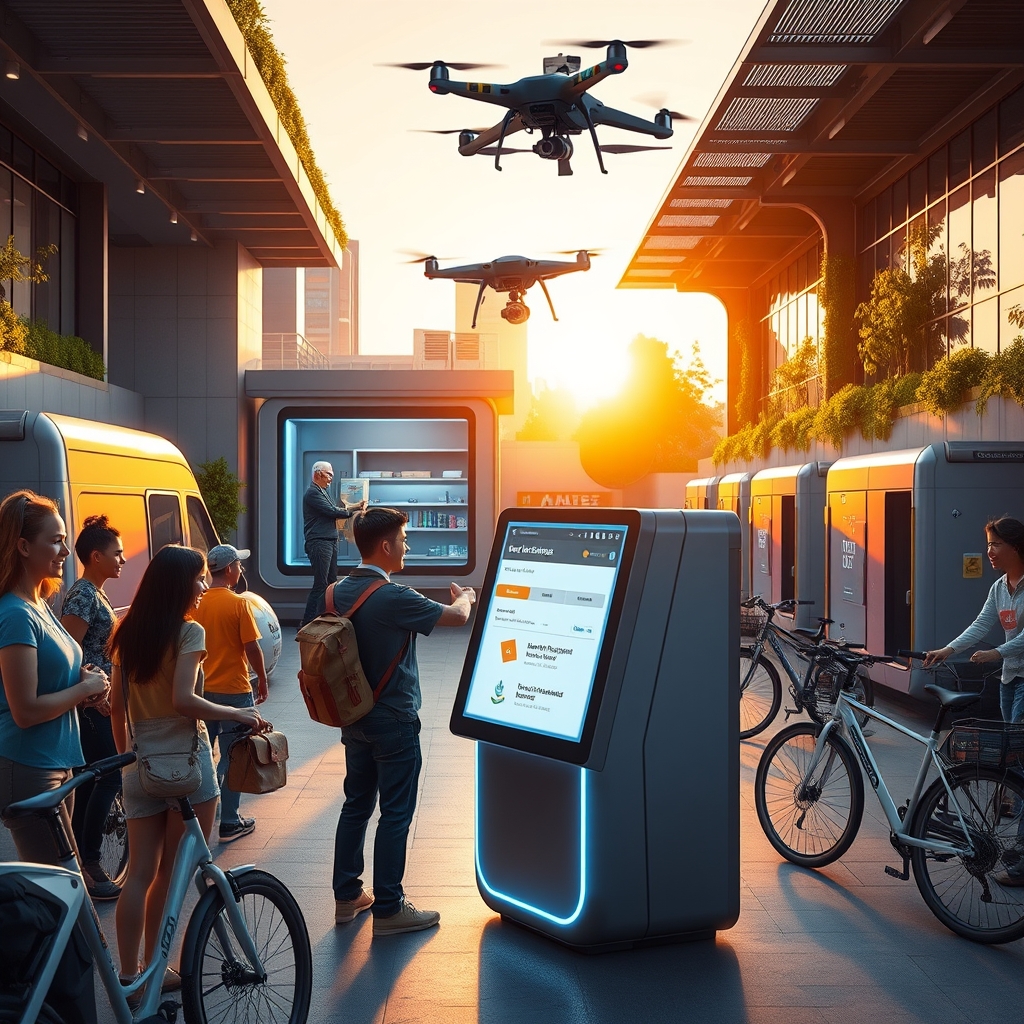
In an era where technology dominates nearly every aspect of our lives, the logistics industry is undergoing a profound transformation. The focus has shifted from merely moving goods from point A to point B to creating meaningful, personalized experiences that resonate with customers. This evolution is not just about efficiency—it’s about building trust, fostering loyalty, and reimagining the way businesses connect with their audience. At the heart of this shift lies a delicate balance between cutting-edge innovation and the human touch, where every delivery becomes an opportunity to strengthen relationships.
The Rise of Personalized Logistics Communication
Gone are the days when customers were satisfied with generic updates like “Your package is on its way.” Today, they expect communication that feels tailored to their needs, preferences, and even their emotions. Personalized logistics communication is no longer a luxury—it’s a necessity. Companies are leveraging data analytics to craft messages that resonate on a personal level, whether it’s addressing the customer by name, providing real-time updates in their preferred language, or offering delivery options that align with their lifestyle.
For instance, a busy professional might appreciate a text message with a precise delivery window, while a stay-at-home parent could prefer an email with detailed tracking information. By understanding these nuances, logistics providers can create a sense of connection that transcends the transactional nature of delivery. This approach not only enhances customer satisfaction but also builds long-term loyalty, turning one-time buyers into repeat customers.
The Role of Real-Time Tracking in Building Trust
Real-time tracking has become a cornerstone of modern logistics, offering customers unprecedented visibility into their shipments. However, its true power lies not just in providing location data but in how that data is communicated. A well-designed tracking experience can make customers feel informed, empowered, and in control. Imagine receiving a notification that your package has left the warehouse, followed by another update when it’s out for delivery, and a final alert when it’s safely at your doorstep. Each of these touchpoints reinforces trust and reduces anxiety, making the entire process feel seamless and transparent.
Moreover, real-time tracking enables logistics providers to proactively address potential issues. If a delay is detected, customers can be notified immediately, along with an explanation and a revised delivery estimate. This level of transparency not only mitigates frustration but also demonstrates a commitment to accountability, further strengthening the customer-provider relationship.
The Contactless Delivery Experience: Safety Meets Convenience
The global pandemic accelerated the adoption of contactless delivery, but its benefits have ensured its place as a permanent fixture in the logistics landscape. Beyond the obvious health and safety advantages, contactless delivery offers unparalleled convenience. Customers can receive their packages without the need for physical interaction, whether through secure drop-off points, smart lockers, or even drone deliveries in some regions. This flexibility is particularly valuable in urban areas, where busy schedules and limited availability can make traditional delivery methods challenging.
However, the success of contactless delivery hinges on more than just technology—it requires a customer-centric approach. For example, providing clear instructions for self-service pickups, offering flexible delivery windows, and ensuring that packages are handled with care are all critical components of a positive experience. When executed well, contactless delivery doesn’t just meet customer expectations—it exceeds them, creating a sense of ease and reliability that keeps them coming back.
Sustainable Delivery Solutions: A Commitment to the Future
As environmental concerns continue to grow, customers are increasingly prioritizing sustainability in their purchasing decisions. Logistics providers are responding by integrating eco-friendly practices into their operations, from electric delivery vehicles to carbon-neutral shipping options. These initiatives not only reduce the environmental impact of logistics but also resonate with customers who value corporate responsibility.
For example, companies are exploring innovative packaging solutions, such as biodegradable materials or reusable containers, to minimize waste. Others are optimizing delivery routes to reduce fuel consumption and emissions. By communicating these efforts transparently, logistics providers can align themselves with the values of their customers, fostering a deeper connection that goes beyond the transaction. Sustainability is no longer just a buzzword—it’s a key differentiator in a competitive market.
The Power of Predictive Analytics in Shaping the Future
Predictive analytics is revolutionizing the logistics industry by enabling providers to anticipate customer needs before they arise. By analyzing historical data, weather patterns, traffic conditions, and even social media trends, companies can optimize delivery routes, adjust schedules, and allocate resources more efficiently. This proactive approach not only improves operational efficiency but also enhances the customer experience by reducing delays and ensuring timely deliveries.
For instance, predictive analytics can help identify potential bottlenecks in the supply chain and suggest alternative routes or delivery methods. It can also forecast demand spikes, allowing companies to scale their operations accordingly. By leveraging these insights, logistics providers can stay one step ahead, delivering a level of service that feels intuitive and effortless to the customer.
Frictionless Returns: Turning Challenges into Opportunities
Returns are an inevitable part of the logistics process, but they don’t have to be a source of frustration. A frictionless returns management system can turn a potentially negative experience into an opportunity to delight customers. By simplifying the returns process—whether through prepaid labels, easy-to-follow instructions, or seamless courier interactions—companies can demonstrate their commitment to customer satisfaction.
Moreover, a well-managed returns process can provide valuable insights into product quality, customer preferences, and potential areas for improvement. By analyzing return data, companies can identify trends and make informed decisions that enhance their offerings. In this way, returns become not just a logistical challenge but a strategic tool for growth.
In a world where technology continues to redefine the boundaries of what’s possible, the logistics industry stands at a crossroads. The companies that thrive will be those that recognize the importance of balancing innovation with empathy, efficiency with personalization, and speed with sustainability. By prioritizing the customer experience at every touchpoint, logistics providers can transform deliveries from mere transactions into meaningful interactions, fostering loyalty and trust in an increasingly digital age. The future of logistics isn’t just about moving goods—it’s about moving people, one delivery at a time.