The Green Mile: How Sustainable Delivery Solutions Are Shaping the Future of Logistics
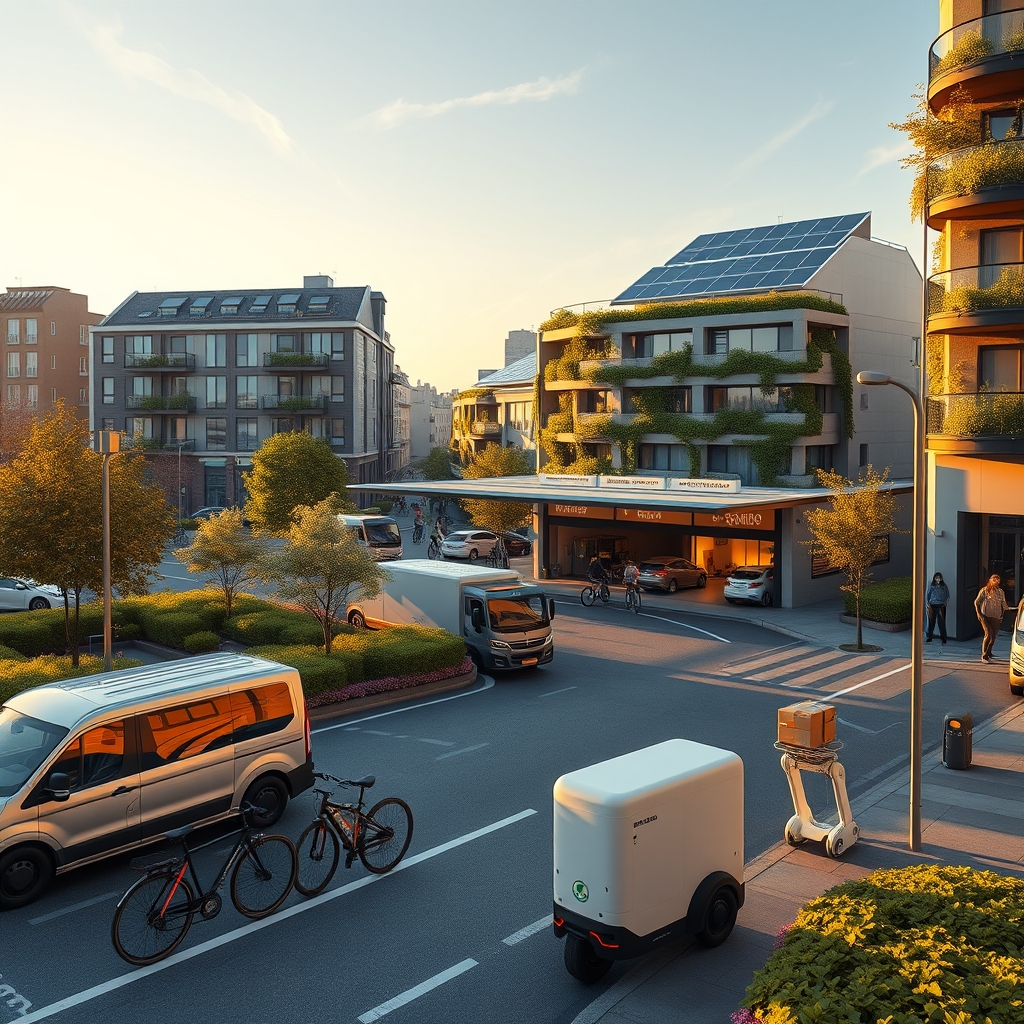
The logistics industry is undergoing a profound transformation, driven by the urgent need for sustainability and the rising expectations of modern consumers. As e-commerce continues to surge, the environmental impact of last-mile delivery has come under scrutiny, prompting businesses to rethink their strategies. Sustainable delivery solutions are no longer a niche consideration but a critical component of a forward-thinking logistics framework. By integrating eco-friendly practices, companies can reduce their carbon footprint while enhancing efficiency and customer satisfaction.
The Environmental Imperative
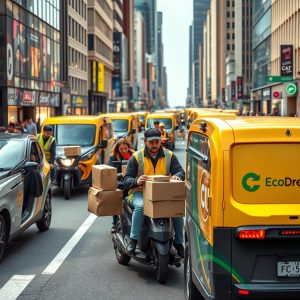
Traditional delivery methods, particularly those reliant on fossil fuel-powered vehicles, contribute significantly to greenhouse gas emissions. The last mile—the final leg of the delivery process—is often the most inefficient, with multiple stops, traffic congestion, and suboptimal routing. This inefficiency not only increases operational costs but also exacerbates environmental degradation. Sustainable delivery solutions address these challenges by leveraging alternative fuels, electric vehicles (EVs), and innovative routing algorithms to minimize emissions and resource consumption.
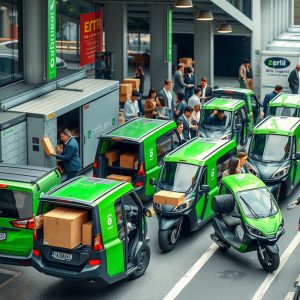
For instance, companies like Amazon and UPS have invested heavily in electric delivery vans, which produce zero tailpipe emissions. Similarly, bike couriers and micro-fulfillment centers in urban areas are reducing the reliance on larger, less efficient vehicles. These initiatives are not just about compliance with regulations; they reflect a broader shift toward corporate responsibility and long-term sustainability.
Optimizing Routes for Efficiency and Sustainability
Efficient route optimization is a cornerstone of sustainable last-mile delivery. Advanced algorithms analyze real-time traffic data, weather conditions, and delivery windows to determine the most fuel-efficient paths. This not only reduces emissions but also lowers fuel costs and improves delivery speed. Predictive delivery analytics further enhance this process by anticipating demand patterns, allowing companies to allocate resources more effectively and avoid unnecessary trips.
Hyper-local delivery networks are another innovation gaining traction. By establishing smaller distribution hubs closer to end consumers, businesses can shorten delivery distances and reduce the environmental impact of transportation. This approach also enables faster deliveries, aligning with the growing demand for same-day or next-day shipping. When combined with dynamic delivery scheduling, which adjusts routes based on real-time conditions, hyper-local networks create a more agile and sustainable logistics ecosystem.
Customer-Centric Sustainability
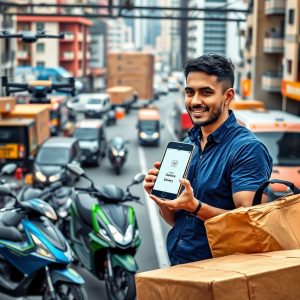
Sustainability in logistics is not just about reducing emissions; it’s also about meeting the evolving expectations of customers. Today’s consumers are increasingly eco-conscious, preferring brands that demonstrate a commitment to environmental stewardship. Transparent shipment updates and personalized logistics communication play a crucial role in this dynamic. By providing real-time tracking and clear information about delivery options—such as carbon-neutral shipping—companies can build trust and loyalty.
Frictionless returns management is another area where sustainability and customer satisfaction intersect. Traditional return processes often involve excessive packaging, multiple transportation legs, and significant waste. By implementing automated fulfillment processes and value-added packaging—such as reusable or biodegradable materials—businesses can streamline returns while minimizing their environmental impact. Digital proof of delivery and seamless courier interactions further enhance the customer experience, making it easier for consumers to participate in sustainable practices.
The Role of Technology in Sustainable Logistics
Technology is the driving force behind the adoption of sustainable delivery solutions. Integrated inventory visibility, for example, allows companies to optimize stock levels and reduce overproduction, which in turn lowers the need for expedited shipping and its associated emissions. User-friendly delivery portals empower customers to choose delivery windows that align with their schedules, reducing failed delivery attempts and the need for redelivery.
Contactless delivery experiences, accelerated by the COVID-19 pandemic, have also contributed to sustainability. By minimizing physical interactions, these solutions reduce the need for printed receipts and other paper-based documentation. Responsive logistics support, powered by AI-driven chatbots and customer service platforms, ensures that issues are resolved quickly, further enhancing efficiency and reducing waste.
Scalable and Future-Proof Models
For sustainable delivery solutions to be truly effective, they must be scalable. Scalable distribution models allow businesses to adapt to fluctuating demand without compromising their environmental goals. For example, modular warehousing and flexible delivery fleets enable companies to expand or contract their operations as needed, ensuring that sustainability remains a priority even during peak seasons.
Collaboration is another key factor in scaling sustainable logistics. Partnerships between logistics providers, retailers, and technology companies can facilitate the sharing of resources, such as delivery vehicles or warehouse space, reducing the overall environmental impact. These collaborations also enable the development of standardized practices, making it easier for businesses of all sizes to adopt sustainable solutions.
The shift toward sustainable delivery solutions is not just a trend but a fundamental reimagining of the logistics industry. As businesses embrace eco-friendly practices, they are discovering that sustainability and efficiency are not mutually exclusive. In fact, the most successful companies are those that recognize the synergy between environmental responsibility and operational excellence. By prioritizing sustainability, they are not only reducing their carbon footprint but also creating a more resilient and customer-centric logistics ecosystem. The future of delivery is green, and those who lead the charge will set the standard for generations to come.