
The Hidden Backbone of E-Commerce: How Multi-Modal Freight and Cross-Border Logistics Power Global Retail
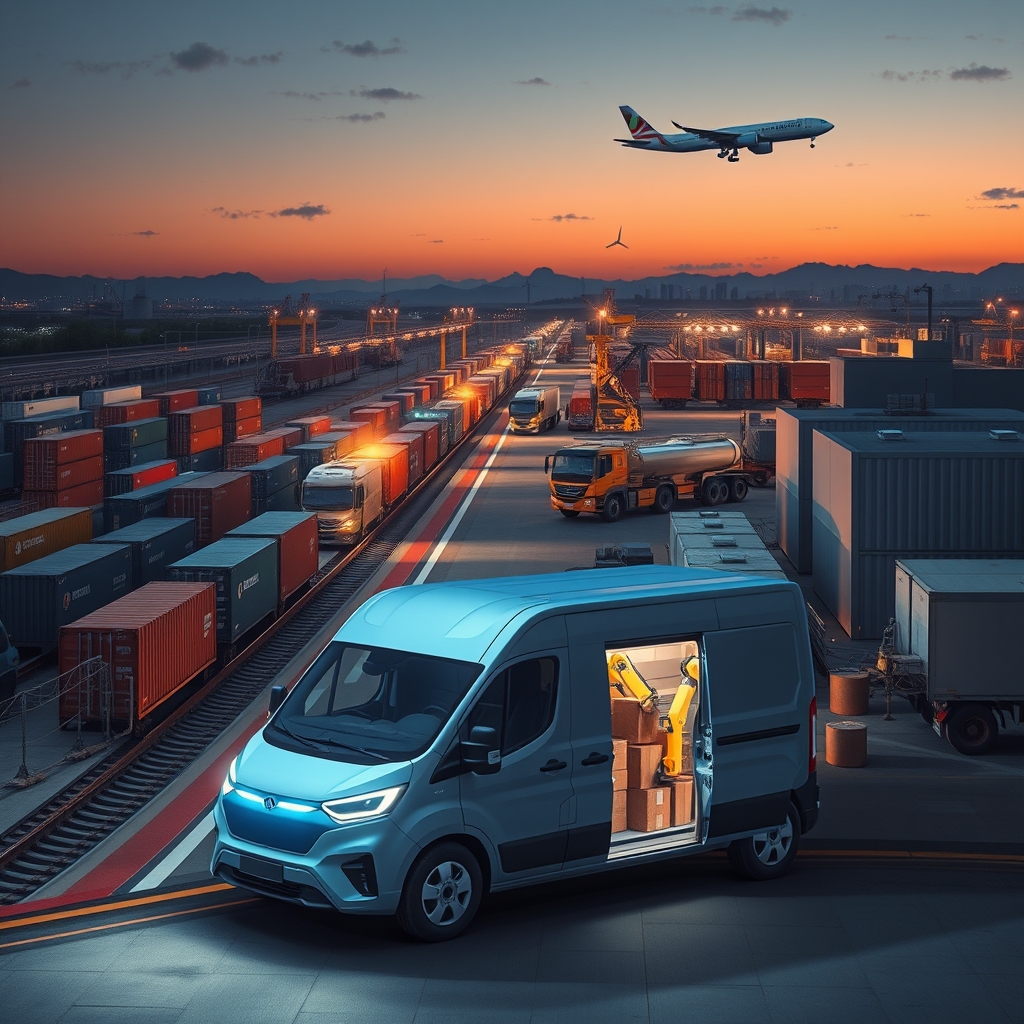
In the fast-paced world of e-commerce, where next-day delivery has become the expectation rather than the exception, the complexity of moving goods across borders and continents often remains invisible to the end consumer. Behind every seamless online purchase lies a meticulously orchestrated network of multi-modal freight, cross-border logistics, and supply chain optimization strategies that ensure products arrive on time, intact, and compliant with international regulations. For businesses expanding into global markets, understanding these systems is not just an operational necessity—it’s a competitive advantage.
The Rise of Multi-Modal Freight in E-Commerce
E-commerce has shattered geographical barriers, but it has also introduced new logistical challenges. A single order might travel by truck to a port, cross an ocean on a container ship, and then be transferred to a rail network before finally reaching a last-mile delivery vehicle. This intermodal transport approach is the backbone of modern retail logistics, offering flexibility, cost efficiency, and scalability. By leveraging multiple transportation modes—road, rail, sea, and air—businesses can optimize routes, reduce transit times, and mitigate risks associated with relying on a single method.
For example, a retailer shipping electronics from Shenzhen to Chicago might use maritime shipping for the bulk of the journey, then switch to rail for the cross-country leg, and finally employ land transportation logistics for the final delivery. This hybrid approach not only balances cost and speed but also reduces the carbon footprint compared to air freight alone. However, coordinating these transitions requires sophisticated digital freight brokerage platforms that provide real-time visibility, automated documentation, and dynamic routing capabilities.
Why Cross-Border Logistics is the Ultimate Test for E-Commerce
While domestic shipping has its complexities, cross-border logistics introduces a layer of regulatory, cultural, and operational hurdles that can make or break an e-commerce business. Customs clearance, tariffs, and trade compliance are just the beginning. Each country has its own import/export laws, product standards, and labeling requirements, which can vary dramatically even within regions like the European Union. A misstep in global trade compliance can result in delayed shipments, hefty fines, or even the seizure of goods.
To navigate these challenges, many businesses partner with custom house brokerage experts who specialize in international trade management. These professionals act as intermediaries between shippers and government agencies, ensuring that all documentation—from commercial invoices to certificates of origin—is accurate and submitted on time. Additionally, advancements in AI and machine learning are now being used to predict customs delays, classify products automatically, and even suggest optimal shipping routes based on historical data and real-time geopolitical factors.
The Role of Third-Party Logistics (3PL) in Scaling Global Operations
For e-commerce businesses looking to scale internationally, building an in-house logistics network is often impractical. This is where third-party logistics (3PL) providers come into play. These companies offer end-to-end solutions, from warehousing and inventory management to order fulfillment and e-commerce shipping. By outsourcing these functions, businesses can focus on core competencies like marketing, product development, and customer service, while leaving the complexities of warehouse distribution and port logistics</to the experts.
One of the key advantages of 3PL providers is their ability to offer multi-modal freight solutions tailored to the unique needs of e-commerce. For instance, a 3PL might operate strategically located fulfillment centers near major ports or transportation hubs, enabling faster order processing and reduced transit times. They also provide access to bulk shipping rates, which can significantly lower costs for high-volume sellers. Moreover, many 3PLs now offer value-added services like kitting, packaging customization, and returns management, which are critical for maintaining customer satisfaction in the competitive e-commerce landscape.
Sustainability: The Next Frontier in E-Commerce Logistics
As consumer awareness of environmental issues grows, so does the demand for sustainable transportation solutions. E-commerce giants and small businesses alike are under pressure to reduce their carbon footprints, and logistics providers are responding with innovative approaches. One such strategy is the shift toward cold chain management for perishable goods, which minimizes waste by ensuring temperature-controlled transport from farm to doorstep. Another is the adoption of electric and hydrogen-powered vehicles for last-mile delivery, particularly in urban areas where emissions regulations are becoming stricter.
Beyond vehicle technology, companies are also exploring ways to optimize routes and reduce empty miles—a common inefficiency in freight transportation. Fleet telematics systems, which use GPS and IoT sensors to monitor vehicle performance and driver behavior, are playing a crucial role in this effort. These systems can identify fuel-wasting habits, suggest more efficient routes, and even predict maintenance needs before they lead to breakdowns. Additionally, the rise of digital freight brokerage platforms is enabling better load matching, ensuring that trucks and containers are filled to capacity, thereby reducing the number of trips required.
Cargo Insurance and Risk Management: Protecting the Supply Chain
No matter how well-planned a logistics strategy is, unforeseen events—natural disasters, geopolitical conflicts, or even piracy—can disrupt the flow of goods. This is where cargo insurance becomes essential. While many businesses view insurance as an optional expense, the reality is that a single lost or damaged shipment can have devastating financial consequences, particularly for small and medium-sized enterprises (SMEs). Cargo insurance policies can cover a range of risks, from theft and damage to delays and non-delivery, providing peace of mind and financial protection.
However, not all cargo insurance policies are created equal. Businesses must carefully assess their needs and choose coverage that aligns with their specific risks. For example, a company shipping high-value electronics may require all-risk coverage, while a business transporting perishable goods might prioritize temperature deviation insurance. Working with a logistics provider that offers integrated insurance solutions can simplify this process, as they can often negotiate better rates and provide expert guidance on policy selection.
The world of e-commerce logistics is a dynamic and ever-evolving ecosystem, where efficiency, compliance, and sustainability intersect. As businesses continue to expand their global reach, the ability to navigate multi-modal freight, cross-border logistics, and supply chain optimization will be the key to unlocking new markets and delivering exceptional customer experiences. The most successful companies will be those that embrace innovation, leverage technology, and partner with experts who can turn logistical challenges into opportunities. In this interconnected world, the movement of goods is not just about transportation—it’s about building trust, fostering growth, and creating value at every step of the journey.