Supply Chain Innovation: How Technology is Transforming the Industry
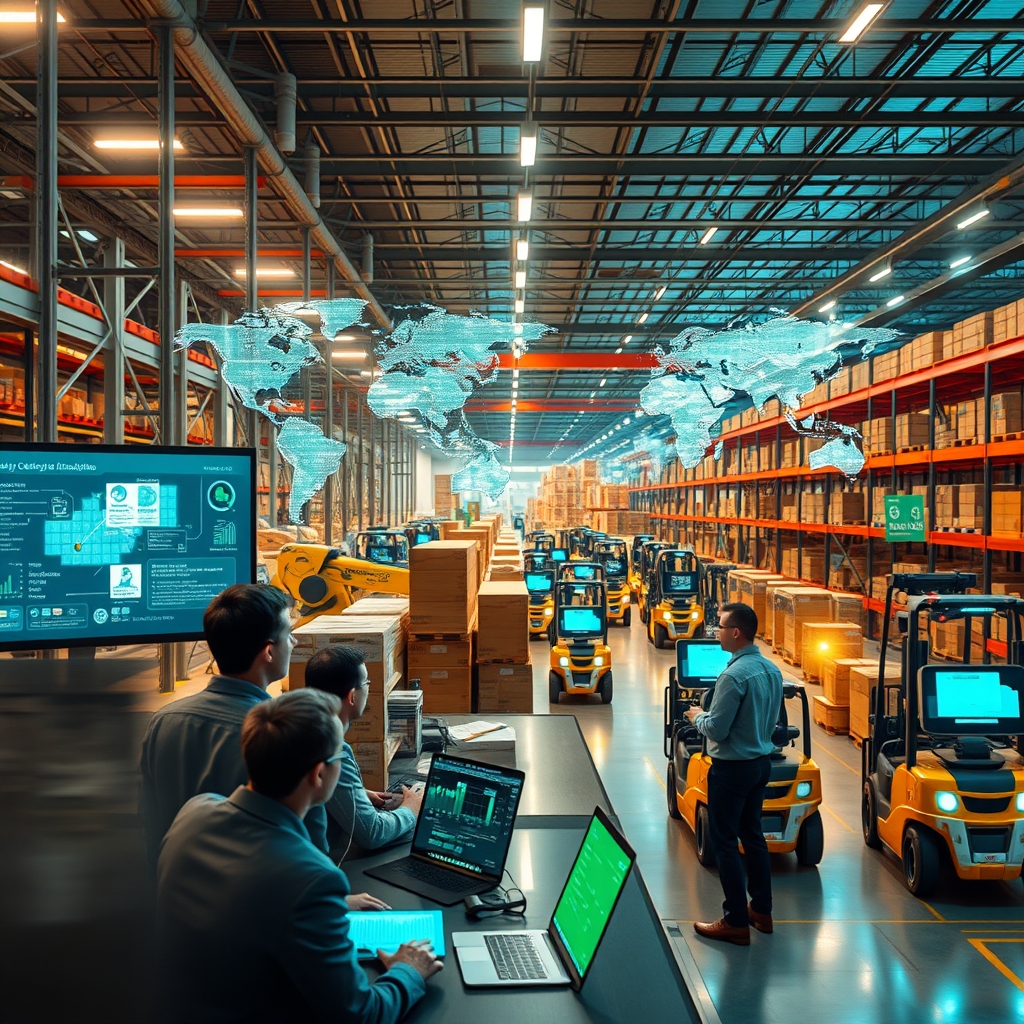
The modern supply chain is no longer just about moving goods from point A to point B. It’s a dynamic, interconnected ecosystem where technology is redefining efficiency, transparency, and resilience. As global trade grows more complex, businesses are turning to cutting-edge innovations to stay ahead. From real-time tracking to predictive analytics, the digital transformation of supply chains is not just a trend—it’s a necessity for survival in today’s fast-paced market.
The Rise of IoT in Supply Chain Management
The Internet of Things (IoT) has emerged as a game-changer in supply chain operations. By embedding sensors and smart devices into shipments, warehouses, and transportation networks, companies gain unprecedented visibility into their logistics. These IoT-enabled systems monitor everything from temperature and humidity to location and handling conditions, ensuring that perishable goods, pharmaceuticals, and high-value items arrive in optimal condition.
For example, Maersk, the global shipping giant, has integrated IoT sensors into its refrigerated containers. These devices provide real-time data on cargo conditions, allowing the company to prevent spoilage and reduce waste. Similarly, DHL uses IoT-enabled wearables for warehouse workers, improving picking accuracy and speed. The result? Faster deliveries, lower costs, and happier customers.
AI-Driven Forecasting: Predicting Demand with Precision
Gone are the days of relying solely on historical data and gut instinct to predict demand. Artificial intelligence (AI) is now at the forefront of demand forecasting, analyzing vast datasets to identify patterns and trends that humans might miss. Machine learning algorithms process everything from weather patterns and economic indicators to social media trends, enabling businesses to anticipate shifts in consumer behavior with remarkable accuracy.
Walmart, for instance, leverages AI to optimize inventory levels across its thousands of stores. By analyzing sales data, local events, and even traffic patterns, the retail giant ensures that products are stocked precisely when and where they’re needed. This not only reduces overstock and stockouts but also minimizes waste—a critical factor in industries like grocery and fashion, where unsold inventory can quickly become a financial burden.
Blockchain: The Backbone of Transparent Supply Chains
Transparency has become a non-negotiable aspect of modern supply chains, especially as consumers and regulators demand greater accountability. Blockchain technology, with its decentralized and immutable ledger, is providing the solution. By recording every transaction and movement of goods on a shared, tamper-proof platform, blockchain ensures that all stakeholders—from manufacturers to retailers—have access to the same, unalterable data.
One standout example is IBM’s Food Trust network, which uses blockchain to track the journey of food products from farm to table. Companies like Nestlé and Carrefour have joined the initiative, allowing consumers to scan a QR code and see the entire history of their purchase—including where the ingredients were sourced, how they were processed, and how they were transported. This level of transparency not only builds trust but also helps quickly identify and address issues like contamination or fraud.
Automation and Robotics: Redefining Warehouse Efficiency
Warehouses are the heart of the supply chain, and automation is revolutionizing how they operate. Robotics, autonomous vehicles, and AI-powered systems are taking over repetitive tasks, from sorting and packing to inventory management. Amazon’s fulfillment centers are a prime example, where robots work alongside human employees to pick, pack, and ship orders at lightning speed. These automated systems reduce errors, lower labor costs, and significantly increase throughput.
Beyond Amazon, companies like Ocado are pushing the boundaries of warehouse automation. Ocado’s smart warehouses use swarms of robots to retrieve groceries, with AI coordinating their movements to ensure maximum efficiency. The result is a seamless, high-speed operation that can handle thousands of orders per day with minimal human intervention.
The Future of Supply Chain Innovation
As technology continues to evolve, so too will the supply chain. Emerging trends like 5G connectivity, digital twins (virtual replicas of physical supply chains), and advanced analytics are poised to take efficiency and resilience to new heights. Companies that embrace these innovations will not only streamline their operations but also gain a competitive edge in an increasingly complex global market.
The digital transformation of supply chains is more than just a technological upgrade—it’s a fundamental shift in how businesses operate. By leveraging IoT, AI, blockchain, and automation, companies can create agile, transparent, and sustainable supply chains that meet the demands of the modern world. The question is no longer whether to adopt these technologies, but how quickly they can be integrated to drive real, measurable impact. As the industry continues to evolve, those who innovate today will lead the way tomorrow, shaping the future of global trade in ways we’re only beginning to imagine.