
Navigating the Future: How Digital Innovation is Reshaping Global Trade and Logistics
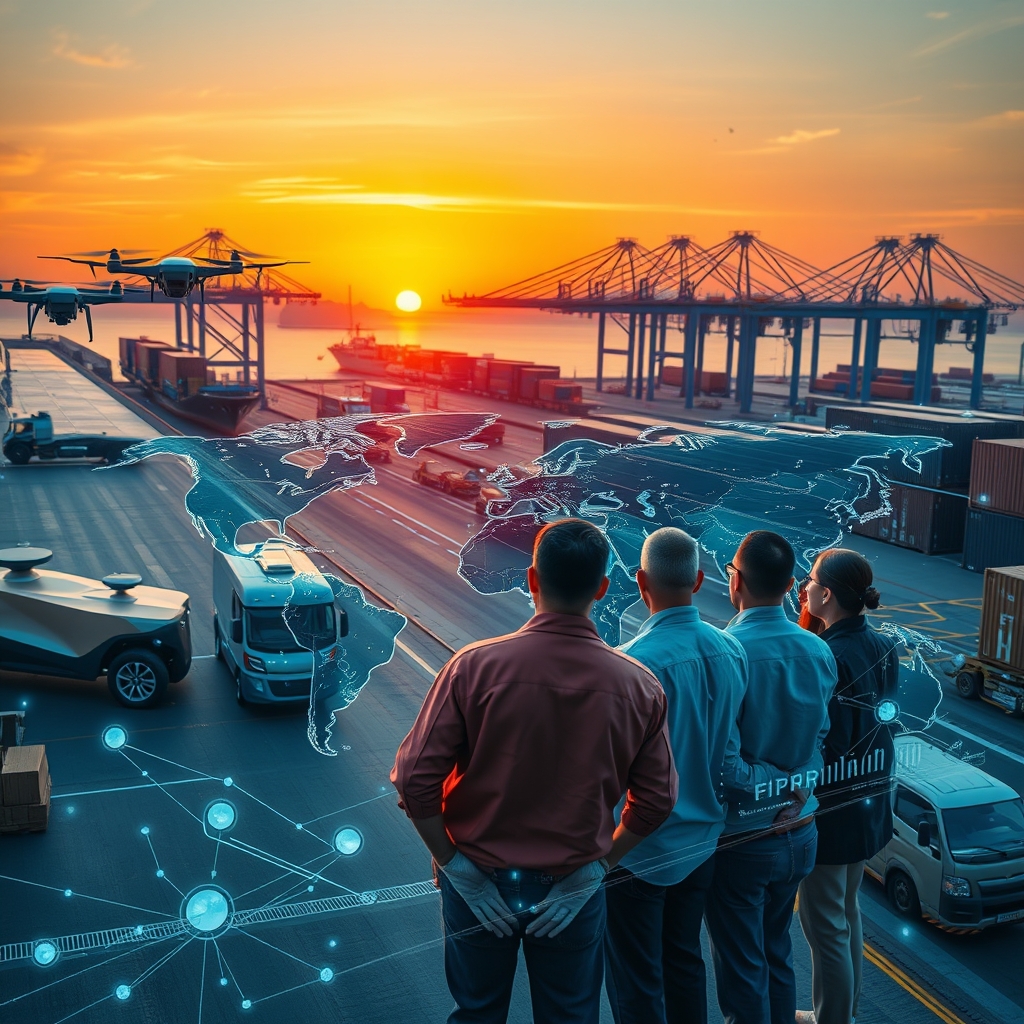
The world of global trade and logistics is a complex, ever-evolving ecosystem where efficiency, compliance, and speed are not just goals but necessities. As businesses expand their reach across borders, the demand for seamless supply chain optimization and freight forwarding solutions has never been more critical. The traditional methods of managing land transportation logistics, maritime shipping, and air cargo services are being transformed by digital innovation, creating a landscape where adaptability is the key to success.
The Digital Revolution in Freight and Logistics
The rise of digital freight brokerage platforms has disrupted the logistics industry, offering real-time visibility, automated matching of shippers and carriers, and streamlined documentation processes. These platforms leverage artificial intelligence and machine learning to predict demand, optimize routes, and reduce empty miles, which not only cuts costs but also minimizes the environmental impact of transportation. For businesses engaged in international trade management, these tools provide a competitive edge by enhancing transparency and reducing the risk of delays or compliance issues.
In the realm of intermodal transport, digital solutions are bridging the gap between different modes of transportation—road, rail, sea, and air—creating a more integrated and efficient supply chain. By utilizing fleet telematics, companies can monitor vehicle performance, driver behavior, and fuel consumption in real time, ensuring that goods are transported safely and sustainably. This level of connectivity is particularly valuable in cross-border logistics, where coordination between multiple stakeholders and regulatory bodies is essential.
The Role of Compliance in Global Trade
Navigating the labyrinth of global trade compliance is one of the most daunting challenges for businesses operating internationally. Customs regulations, tariffs, and trade agreements vary significantly from one country to another, and non-compliance can result in costly fines, shipment delays, or even legal action. Custom house brokerage services play a pivotal role in this space, helping businesses interpret and adhere to the ever-changing rules of international trade. With the advent of digital compliance tools, companies can now automate the classification of goods, calculate duties and taxes, and ensure that all documentation meets the requirements of destination countries.
For industries like pharmaceuticals, food, and chemicals, cold chain management adds another layer of complexity to compliance. Maintaining the integrity of temperature-sensitive goods during transit requires specialized equipment, real-time monitoring, and adherence to strict regulatory standards. Digital solutions, such as IoT-enabled sensors and blockchain technology, are revolutionizing cold chain logistics by providing end-to-end visibility and immutable records of temperature and handling conditions. This not only ensures compliance but also builds trust with customers and regulatory authorities.
Sustainability: The New Frontier in Logistics
As the world grapples with the urgent need to reduce carbon emissions, sustainable transportation has emerged as a top priority for the logistics industry. Companies are increasingly adopting eco-friendly practices, such as optimizing routes to reduce fuel consumption, investing in electric or hybrid vehicles, and utilizing multi-modal freight solutions to minimize the environmental impact of shipping. Port logistics are also evolving, with many ports implementing green initiatives like shore power for vessels, renewable energy sources, and carbon-neutral operations.
The shift toward sustainability is not just driven by regulatory pressures but also by consumer demand. E-commerce giants and retailers are under growing scrutiny to reduce their carbon footprint, leading to innovations in e-commerce shipping. From packaging made of recycled materials to last-mile delivery solutions powered by electric vehicles, businesses are rethinking every aspect of their logistics operations to align with environmental goals. Third-party logistics (3PL) providers are playing a crucial role in this transition, offering scalable and sustainable solutions that help businesses meet their green objectives without compromising on efficiency.
Warehouse Distribution in the Age of E-Commerce
The explosive growth of e-commerce has placed unprecedented demands on warehouse distribution networks. Traditional warehouses are being replaced by smart, automated facilities equipped with robotics, AI-driven inventory management systems, and advanced analytics. These technologies enable faster order fulfillment, reduced labor costs, and improved accuracy, all of which are critical for meeting the expectations of today’s consumers. Additionally, the rise of omnichannel retailing—where customers expect seamless experiences across online and offline channels—has further complicated warehouse operations, requiring greater flexibility and integration.
In this fast-paced environment, cargo insurance has become an essential component of risk management. With the increasing value and volume of goods being transported globally, businesses must protect themselves against potential losses due to theft, damage, or natural disasters. Digital insurance platforms are simplifying the process of obtaining coverage, offering tailored policies that address the unique risks of different industries and supply chains. By leveraging data analytics, these platforms can also help businesses identify vulnerabilities in their logistics operations and implement proactive measures to mitigate risks.
The Human Element in a Digital World
While technology is undeniably transforming the logistics industry, the human element remains irreplaceable. Skilled professionals in custom house brokerage, supply chain management, and freight forwarding bring expertise, intuition, and problem-solving abilities that algorithms cannot replicate. The most successful logistics companies are those that strike a balance between digital innovation and human insight, creating a synergy that drives efficiency, compliance, and customer satisfaction.
As businesses continue to navigate the complexities of global trade, the integration of digital tools and sustainable practices will be key to staying ahead of the curve. The future of logistics is not just about moving goods from point A to point B—it’s about doing so in a way that is smarter, faster, and more responsible than ever before. The journey is challenging, but for those willing to embrace change, the rewards are limitless, offering new opportunities to connect, grow, and thrive in an increasingly interconnected world.