The Power of Now: How Real-Time Tracking and Automated Fulfillment Are Redefining Last Mile Delivery
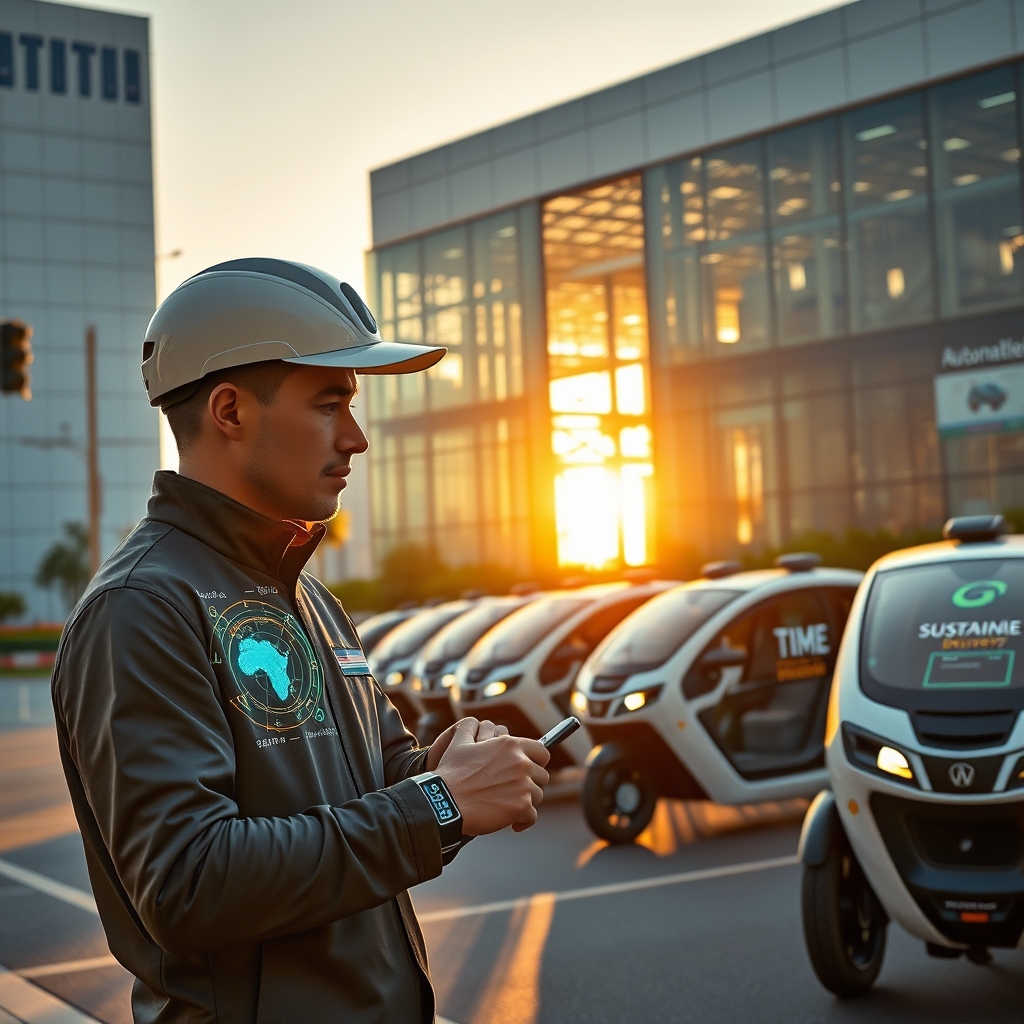
The modern consumer doesn’t just want their package delivered—they want to feel like they’re part of the journey. In an era where instant gratification is the norm, the logistics industry has had to evolve beyond mere speed. The focus has shifted toward creating a delivery experience that is not only fast but also transparent, reliable, and deeply personalized. At the heart of this transformation lies the synergy between real-time tracking and automated fulfillment, two innovations that are redefining the last mile in ways previously unimaginable.
The Rise of Real-Time Tracking: More Than Just a Dot on a Map
Gone are the days when customers were left in the dark, refreshing their emails for a vague “out for delivery” update. Today, real-time tracking has become the gold standard, offering a level of visibility that transforms the delivery process into an interactive experience. But what does this mean beyond the obvious?
For starters, real-time tracking isn’t just about knowing where a package is—it’s about understanding the context of its journey. Advanced systems now provide estimated time windows that adjust dynamically based on traffic, weather, or unexpected delays. This level of granularity allows customers to plan their day around the delivery, reducing missed deliveries and the frustration that comes with them. Moreover, it builds trust. When customers can see their package moving toward them in real time, it creates a sense of connection and reliability that static updates simply cannot match.
But the benefits extend beyond the customer. For logistics providers, real-time tracking enables proactive problem-solving. If a delivery vehicle encounters a delay, the system can automatically reroute other shipments or notify the customer with revised timelines. This not only improves efficiency but also reduces the burden on customer support teams, who would otherwise field calls about delayed deliveries.
Automated Fulfillment: The Engine Behind the Experience
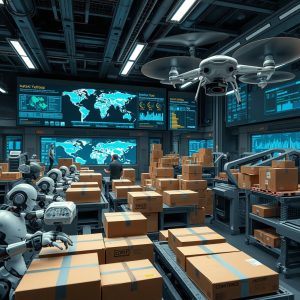
While real-time tracking captures the customer’s attention, automated fulfillment is the unsung hero working behind the scenes. The fulfillment process—from order processing to picking, packing, and dispatching—has traditionally been labor-intensive and prone to human error. Automation is changing that, bringing unprecedented speed, accuracy, and scalability to the table.
Modern automated fulfillment systems leverage robotics, AI, and machine learning to streamline operations. For example, AI-powered algorithms can optimize warehouse layouts, ensuring that high-demand items are stored in easily accessible locations. Robotics can handle repetitive tasks like picking and packing, reducing the risk of errors and freeing up human workers to focus on more complex tasks. Meanwhile, machine learning models analyze historical data to predict demand, ensuring that inventory levels are always aligned with customer needs.
The result? Faster order processing, fewer errors, and the ability to scale operations seamlessly during peak seasons. But perhaps the most significant impact is on the customer experience. When fulfillment is automated, orders are processed and dispatched more quickly, reducing the time between purchase and delivery. This not only meets but exceeds customer expectations, fostering loyalty and repeat business.
The Synergy of Tracking and Fulfillment: A Seamless Experience
Individually, real-time tracking and automated fulfillment are powerful tools. Together, they create a delivery experience that is greater than the sum of its parts. Imagine placing an order online and receiving an instant confirmation with a real-time tracking link. As the order moves through the fulfillment process, you receive updates at every stage—when it’s picked, packed, and dispatched. You can see the delivery vehicle’s location in real time, along with an accurate ETA that adjusts dynamically based on real-world conditions.
This level of transparency and efficiency doesn’t just meet customer expectations—it redefines them. It turns a transactional process into an engaging experience, one where the customer feels informed, valued, and in control. And for businesses, it means fewer complaints, higher satisfaction rates, and a competitive edge in an increasingly crowded market.
Beyond the Basics: The Future of Last Mile Innovation
While real-time tracking and automated fulfillment are already transforming the last mile, the future holds even more promise. Predictive analytics, for instance, can take real-time tracking to the next level by anticipating delays before they happen. AI-driven route optimization can ensure that delivery vehicles take the most efficient paths, reducing fuel consumption and carbon emissions. And as hyper-local delivery networks expand, customers can expect even faster turnaround times, with some orders delivered within hours—or even minutes—of being placed.
Sustainability is another area where innovation is making waves. Automated fulfillment systems can optimize packaging to reduce waste, while real-time tracking can help logistics providers consolidate deliveries, minimizing the number of vehicles on the road. These advancements not only benefit the environment but also resonate with eco-conscious consumers, who are increasingly prioritizing sustainability in their purchasing decisions.
The Human Element: Why Technology Alone Isn’t Enough
As impressive as these technological advancements are, they are only as effective as the human touch that accompanies them. Responsive logistics support, for example, remains critical in ensuring that customers feel heard and valued. Whether it’s a chatbot handling a simple query or a human agent resolving a complex issue, the ability to provide timely and empathetic support can make or break the customer experience.
Similarly, personalized logistics communication—such as tailored delivery notifications or proactive updates—can enhance the sense of connection between the customer and the brand. When customers feel like their needs are understood and anticipated, they are more likely to remain loyal and advocate for the brand.
The last mile of delivery is no longer just about getting a package from point A to point B. It’s about creating an experience that is fast, transparent, and deeply customer-centric. Real-time tracking and automated fulfillment are the cornerstones of this new era, but they are just the beginning. As technology continues to evolve, so too will the expectations of consumers. The businesses that thrive will be those that not only embrace innovation but also recognize the enduring importance of the human element in logistics. In this fast-paced world, the power of now is what sets the leaders apart—and it’s only just getting started.