Building Resilient Supply Chains: The Backbone of Global Commodity Trading
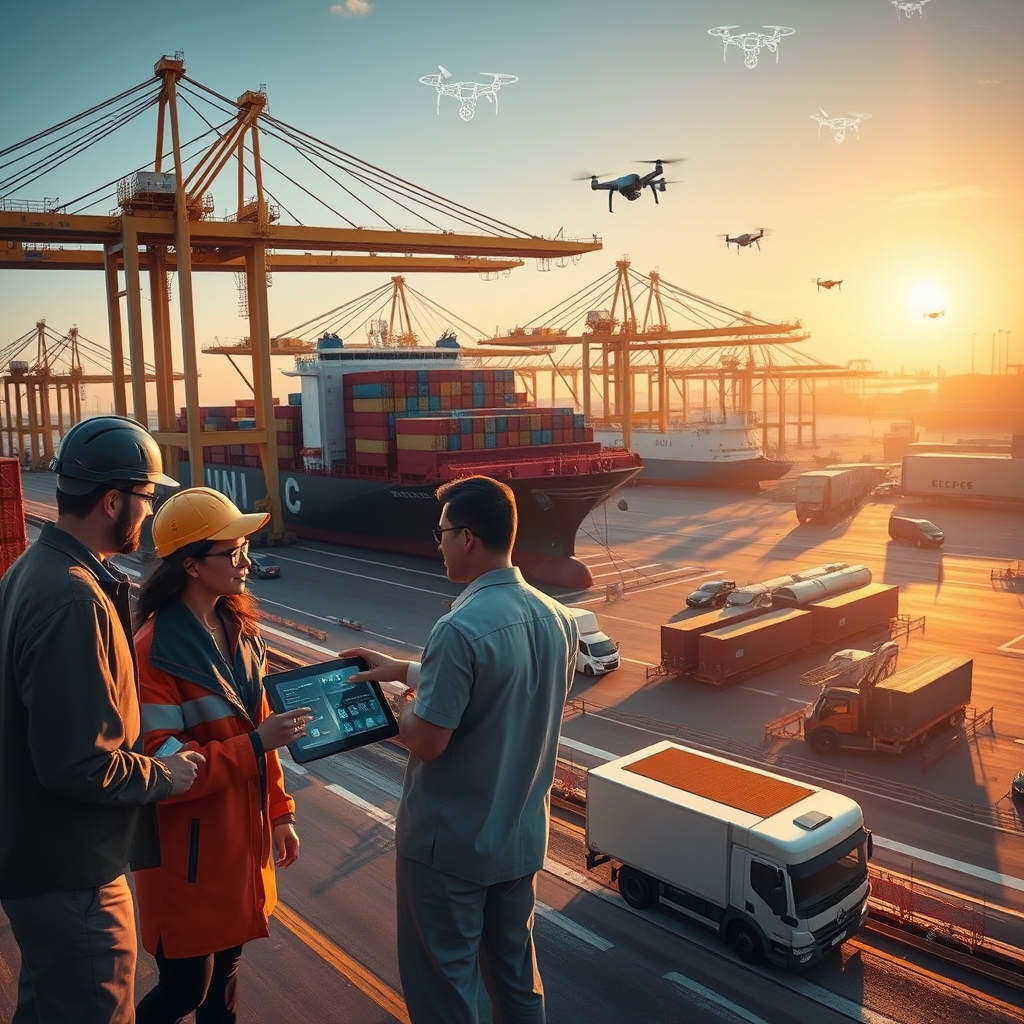
The hum of engines, the rhythmic clatter of containers being loaded, and the distant echo of cranes swinging into action—these are the sounds of global commerce in motion. Behind every product that reaches a store shelf or a consumer’s doorstep lies an intricate web of logistics, a dance of coordination that spans continents and oceans. At the heart of this system is the relentless pursuit of supply chain resilience, a concept that has evolved from a operational concern to a strategic imperative in global commodity trading.
The Evolution of Freight Forwarding Infrastructure
Freight forwarding has long been the unsung hero of international trade, acting as the connective tissue between producers, suppliers, and markets. Traditionally, freight forwarders relied on established routes and long-standing relationships to move goods across borders. However, the modern landscape demands more than just reliability—it requires adaptability. The rise of intermodal freight solutions has revolutionized the way goods are transported, blending the efficiency of ocean cargo shipping with the speed of air freight logistics and the flexibility of overland freight networks. This multimodal approach not only reduces transit times but also mitigates risks by diversifying transportation methods.
Port terminal operations play a pivotal role in this ecosystem. Gone are the days when ports were merely points of transit; today, they are sophisticated hubs equipped with advanced technologies for cargo handling, customs clearance, and real-time tracking. The integration of digital tools has streamlined processes, reducing bottlenecks and enhancing transparency. For instance, smart fleet tracking systems now allow logistics providers to monitor shipments in real-time, adjusting routes dynamically to avoid delays caused by weather, geopolitical tensions, or infrastructure failures.
The Role of Digital Trade Finance in Cross-Border Trade
Finance is the lifeblood of global trade, and the digitization of trade finance has been a game-changer. Traditional methods of securing letters of credit or managing invoices were often cumbersome, involving mountains of paperwork and prolonged processing times. Today, digital trade finance platforms leverage blockchain technology to create immutable records of transactions, reducing fraud and accelerating the flow of capital. This innovation is particularly critical for small and medium-sized enterprises (SMEs), which often struggle to access the financial tools needed to participate in cross-border trade. By democratizing access to trade finance, these platforms are leveling the playing field and fostering greater inclusivity in global commerce.
Sustainable Freight Transport: A Necessity, Not an Option
The environmental impact of global logistics cannot be ignored. The transportation sector is a significant contributor to carbon emissions, with ocean cargo shipping and air freight logistics accounting for a substantial share. However, the industry is undergoing a transformation, driven by both regulatory pressures and consumer demand for sustainability. Sustainable freight transport is no longer a niche concern but a core component of supply chain strategy. Companies are investing in alternative fuels, such as biofuels and hydrogen, to power their fleets, while also exploring carbon offset programs to neutralize their environmental footprint.
Cold chain distribution, a critical segment of the logistics industry, is also embracing sustainability. The transportation of perishable goods, such as pharmaceuticals and food products, requires precise temperature control, which traditionally relied on energy-intensive refrigeration systems. Innovations in insulation materials and renewable energy sources are now making it possible to maintain cold chains with a fraction of the environmental impact. These advancements are not only reducing costs but also ensuring that perishable goods reach their destinations in optimal condition, minimizing waste and maximizing efficiency.
Last Mile Delivery: The Final Frontier
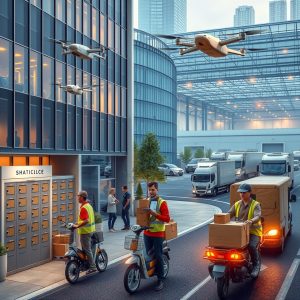
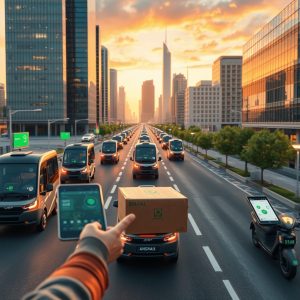
The last mile of delivery is often the most complex and costly segment of the supply chain. Urban congestion, regulatory restrictions, and the sheer diversity of delivery locations make this stage a logistical puzzle. Yet, it is also the most visible to consumers, making it a critical touchpoint for brand reputation. Warehouse fulfillment services are evolving to meet these challenges, with automation and robotics playing an increasingly prominent role. Drones and autonomous vehicles are being tested for last-mile delivery in urban areas, while crowd-sourced delivery models are leveraging local networks to expedite shipments.
Freight brokerage services are also adapting to the demands of the last mile. By aggregating shipments and optimizing routes, brokers can reduce the number of vehicles on the road, lowering emissions and improving delivery times. This approach not only benefits the environment but also enhances the customer experience, as faster and more reliable deliveries translate into higher satisfaction and loyalty.
The Future of Bulk Cargo Management
Bulk cargo, whether it’s grain, coal, or oil, presents unique challenges in terms of storage, handling, and transportation. The sheer volume of these commodities requires specialized infrastructure, from deep-water ports to dedicated rail networks. However, the industry is facing increasing pressure to modernize. Digitalization is transforming bulk cargo management, with sensors and IoT devices providing real-time data on cargo conditions, such as temperature, humidity, and weight. This information is invaluable for preventing spoilage, optimizing storage, and ensuring compliance with international regulations.
Intermodal freight solutions are also playing a key role in bulk cargo transportation. By combining rail, road, and sea transport, companies can create more efficient and flexible supply chains. For example, a shipment of grain might travel by rail to a port, where it is loaded onto a vessel for ocean transit, before being transferred to trucks for final delivery. This multimodal approach reduces transit times and costs while also minimizing the risk of disruptions.
The global logistics network is a marvel of human ingenuity, a testament to our ability to connect and collaborate across vast distances. Yet, it is also a system under constant pressure, challenged by geopolitical tensions, climate change, and evolving consumer expectations. The key to navigating these challenges lies in resilience—building supply chains that are not only efficient but also adaptable, sustainable, and inclusive. As technology continues to advance and new innovations emerge, the logistics industry will remain at the forefront of global trade, shaping the future of commerce in ways we are only beginning to imagine. The journey of a single product from factory to consumer may be complex, but it is this very complexity that makes the world of global commodity trading so endlessly fascinating and vital to our interconnected world.