The Eco-Conscious Shift: How Sustainable Courier Services Are Redefining Corporate and Consumer Logistics
The logistics industry has long been the backbone of global commerce, ensuring that packages, documents, and goods move seamlessly from point A to point B. Yet, as environmental concerns take center stage, the sector is undergoing a profound transformation. Businesses and consumers alike are no longer satisfied with speed and efficiency alone—they demand sustainability. This shift is giving rise to a new era of eco-friendly courier services that prioritize green practices without compromising on reliability or convenience.
The Green Imperative in Modern Logistics
Climate change and environmental degradation have forced industries across the board to rethink their operations. The logistics sector, responsible for a significant portion of global carbon emissions, is no exception. Traditional delivery methods, reliant on fossil fuel-powered vehicles and inefficient routing, contribute heavily to pollution. However, the push for sustainability is driving innovation, leading to the adoption of electric vehicles, optimized delivery routes, and carbon-neutral shipping options. Companies that embrace these changes are not only reducing their environmental footprint but also appealing to a growing segment of eco-conscious consumers.
Electric Fleets and Alternative Fuels
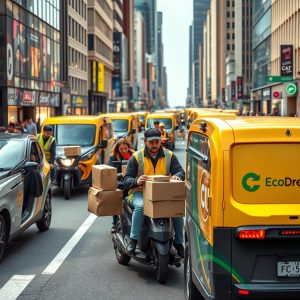
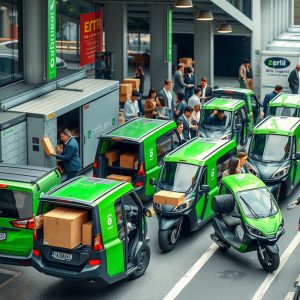
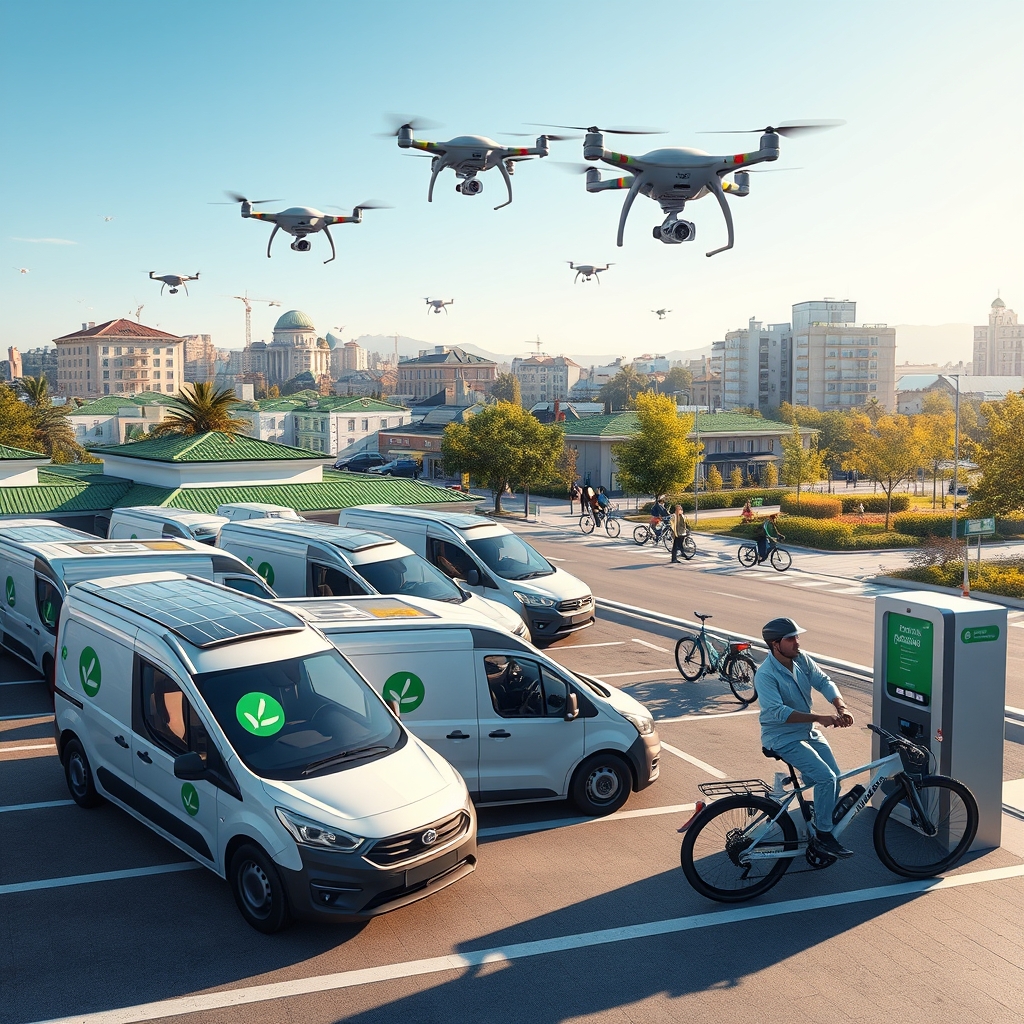
One of the most visible changes in sustainable logistics is the transition from diesel and gasoline-powered vehicles to electric and hybrid fleets. Major courier companies are investing heavily in electric vans, bikes, and even drones to handle last-mile deliveries. These vehicles produce zero tailpipe emissions, significantly reducing the carbon footprint of each delivery. Additionally, alternative fuels like biodiesel and hydrogen are being explored to power larger freight vehicles, offering a cleaner alternative to traditional diesel engines. The shift is not just about compliance with regulations—it’s about future-proofing operations in a world where sustainability is a competitive advantage.
Optimized Routing and Smart Logistics
Sustainability in logistics isn’t just about the vehicles—it’s also about how they’re used. Advanced algorithms and real-time tracking technologies are enabling courier services to optimize delivery routes, reducing fuel consumption and emissions. By analyzing traffic patterns, weather conditions, and package volumes, these systems ensure that vehicles take the most efficient path, minimizing idle time and unnecessary mileage. Smart logistics platforms also facilitate consolidated shipments, where multiple deliveries are grouped together to reduce the number of trips required. This not only cuts costs but also lessens the environmental impact of each delivery.
The Role of Automation in Sustainable Deliveries
Automation is another key player in the eco-conscious logistics revolution. Automated pickup services, smart lockers, and contactless drop-off points are reducing the need for repeated delivery attempts, which often result in wasted fuel and emissions. For instance, smart lockers allow consumers to retrieve their packages at their convenience, eliminating the need for couriers to make multiple stops at residential addresses. Similarly, automated sorting facilities streamline the handling of parcels, reducing energy consumption and improving overall efficiency. These innovations are making sustainable logistics not just a possibility but a practical reality.
Carbon-Neutral Shipping Options
For businesses and consumers who want to go the extra mile, carbon-neutral shipping options are becoming increasingly popular. These services allow customers to offset the emissions generated by their shipments by investing in environmental projects such as reforestation, renewable energy, or carbon capture initiatives. Courier companies are partnering with sustainability organizations to offer these options at checkout, giving customers the ability to make their deliveries carbon-neutral with just a click. This not only enhances the brand’s eco-friendly credentials but also fosters a sense of shared responsibility between businesses and their customers.
The Business Case for Sustainable Logistics
While the environmental benefits of sustainable logistics are clear, the business case is equally compelling. Companies that adopt eco-friendly practices often see reduced operational costs, thanks to lower fuel consumption, optimized routes, and improved efficiency. Moreover, sustainability is becoming a key factor in consumer purchasing decisions. A growing number of customers—particularly younger generations—are willing to pay a premium for products and services that align with their values. By offering green delivery options, businesses can attract and retain these environmentally conscious consumers, gaining a competitive edge in the market.
Bulk Shipping and Discounts for Eco-Friendly Practices
Another way businesses are incentivizing sustainability is through bulk shipping discounts and rewards for eco-friendly practices. For example, companies that consolidate their shipments or opt for slower, more sustainable delivery methods may receive discounted rates. This not only encourages businesses to reduce their carbon footprint but also helps courier services optimize their operations. Additionally, some courier companies offer loyalty programs that reward customers for choosing green delivery options, further driving the adoption of sustainable logistics.
The Future of Sustainable Courier Services
The logistics industry is at a crossroads, with sustainability no longer an optional add-on but a fundamental requirement. As technology continues to advance, we can expect even more innovative solutions to emerge, from AI-driven route optimization to fully autonomous electric delivery vehicles. The integration of renewable energy sources, such as solar-powered warehouses and charging stations, will further reduce the environmental impact of logistics operations. Moreover, as governments around the world implement stricter emissions regulations, the shift toward sustainable courier services will only accelerate.
The journey toward eco-friendly logistics is not without its challenges. High upfront costs for electric vehicles, infrastructure limitations, and the need for widespread behavioral change are all hurdles that must be overcome. However, the momentum is undeniable. Businesses that embrace sustainability today are not only future-proofing their operations but also contributing to a healthier planet. For consumers, the choice is becoming clearer: support companies that prioritize the environment, or risk being left behind in a world where green logistics is the new standard. The shift is underway, and those who adapt will lead the way in redefining what it means to deliver with purpose.