The Invisible Network: How Hyper-Local Delivery and Personalized Communication Are Redefining Last Mile Logistics
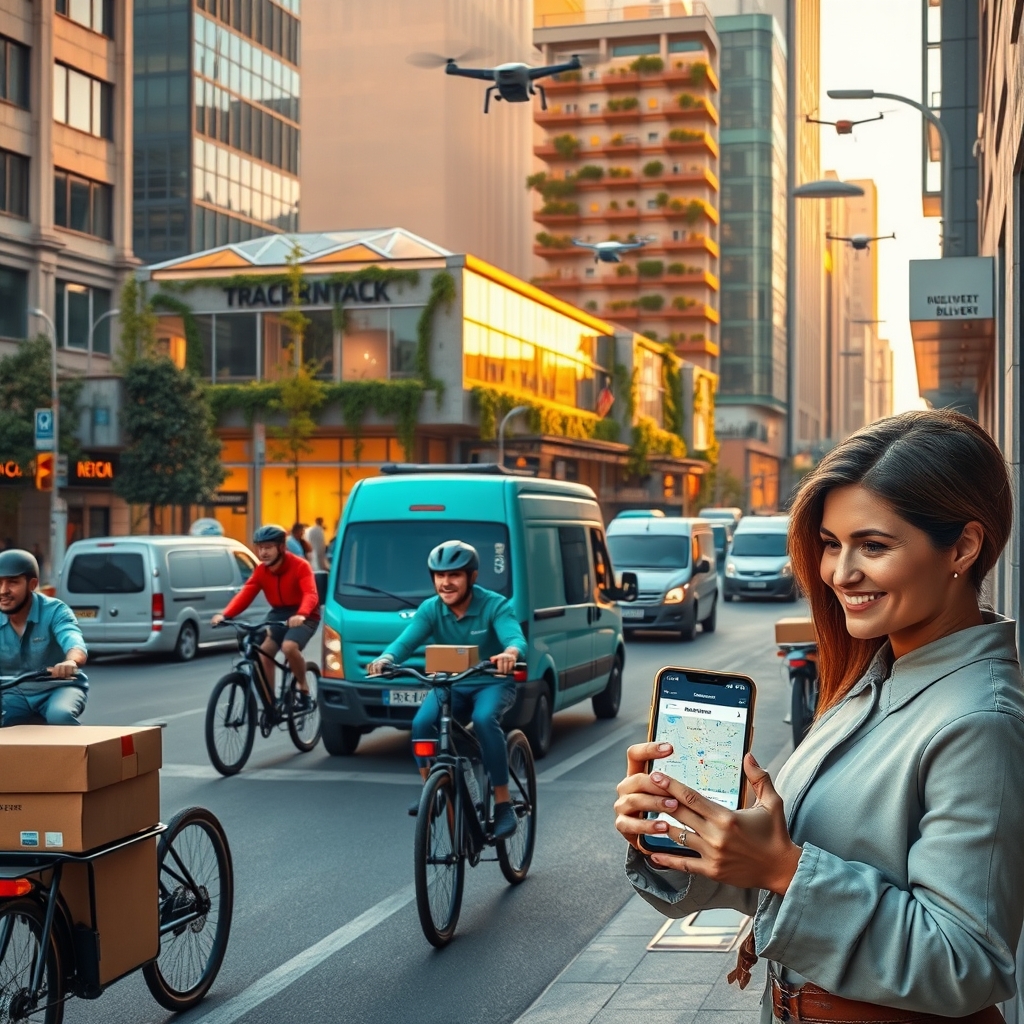
In an era where instant gratification is not just desired but expected, the last mile of delivery has become the battleground for customer loyalty. Businesses are no longer competing solely on product quality or price, but on the seamless, almost magical experience of receiving a package. The difference between a one-star and a five-star review often hinges on the final stretch of the journey—how quickly, reliably, and transparently a package arrives at the customer’s doorstep. This is where hyper-local delivery networks and personalized logistics communication are not just improving the process but fundamentally redefining it.
The Rise of Hyper-Local Delivery Networks
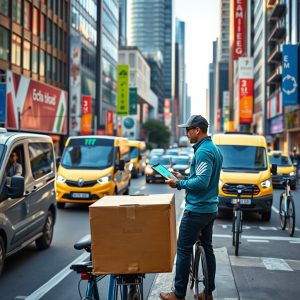
Imagine a world where your package doesn’t travel hundreds of miles through sprawling distribution centers but instead moves through a tightly knit network of local hubs, each strategically positioned to serve a specific neighborhood or district. This is the promise of hyper-local delivery networks—a model that is rapidly gaining traction in urban and suburban areas alike. By decentralizing fulfillment centers and leveraging local couriers, businesses can drastically reduce delivery times, lower carbon emissions, and respond more dynamically to demand fluctuations.
Hyper-local networks are not just about speed; they’re about resilience. During peak seasons or unexpected disruptions, these networks can adapt more quickly than traditional models, rerouting packages through alternative local hubs to avoid delays. For customers, this means fewer missed deliveries and more flexibility in scheduling. For businesses, it translates to higher efficiency, lower operational costs, and a smaller environmental footprint. The shift toward hyper-local delivery is not just a trend—it’s a necessary evolution in a world where same-day and next-day delivery are becoming the norm.
The Power of Personalized Logistics Communication
In the age of information overload, generic updates like “Your package is out for delivery” no longer cut it. Customers crave communication that feels tailored to their needs, preferences, and even their moods. Personalized logistics communication is about more than just sending a tracking link—it’s about creating a dialogue that makes the customer feel seen and valued. This could mean sending a notification when a package is delayed, but also explaining why and offering a solution, such as a discount on a future purchase or the option to reschedule.
Advanced logistics platforms now use AI to analyze customer behavior and preferences, enabling businesses to send hyper-relevant updates. For example, a customer who frequently orders perishable goods might receive a notification when their package is left in a temperature-controlled locker. Another customer who prefers contactless delivery might get a heads-up when their package is left at their doorstep, complete with a photo for verification. These small touches don’t just improve the delivery experience—they build trust and foster long-term loyalty.
Real-Time Tracking: Beyond the Basics
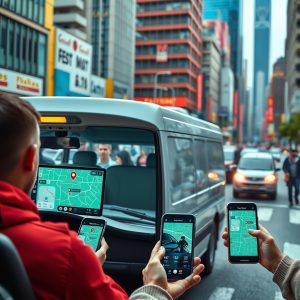
Real-time tracking has evolved from a novelty to a necessity, but its true potential lies in how the data is used. Modern tracking systems don’t just show a package’s location—they provide context. For instance, if a delivery is delayed due to traffic, the system can automatically notify the customer with an updated ETA and suggest alternative delivery windows. Some platforms even integrate with smart home devices, allowing customers to receive updates via voice assistants or smart displays.
For businesses, real-time tracking is a goldmine of insights. By analyzing delivery patterns, companies can identify bottlenecks, optimize routes, and even predict future demand. This level of visibility is not just about improving the customer experience—it’s about creating a more agile and responsive supply chain. When combined with hyper-local networks, real-time tracking becomes a powerful tool for reducing inefficiencies and enhancing reliability.
Sustainable Delivery: A Win-Win for Businesses and the Planet
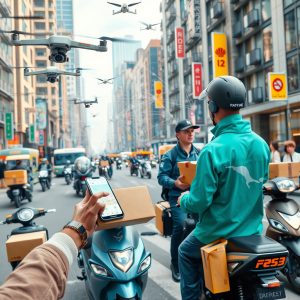
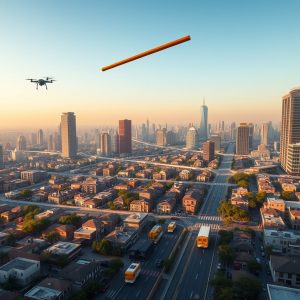
Sustainability is no longer a buzzword—it’s a business imperative. Customers are increasingly conscious of the environmental impact of their purchases, and businesses that fail to address this risk losing their loyalty. Hyper-local delivery networks inherently reduce carbon emissions by minimizing the distance packages travel, but the sustainability efforts don’t stop there. Many companies are now integrating electric vehicles, cargo bikes, and even drones into their last-mile operations, further reducing their environmental footprint.
Value-added packaging is another area where sustainability and customer experience intersect. Eco-friendly packaging materials, such as biodegradable or reusable options, not only appeal to environmentally conscious consumers but also reduce waste. Some businesses are taking it a step further by offering packaging that doubles as a storage solution or a gift box, adding value to the unboxing experience. When done right, sustainable delivery solutions can enhance brand reputation, reduce costs, and even open up new revenue streams.
The Future of Last Mile Delivery: A Seamless, Customer-Centric Ecosystem
The future of last-mile delivery is not about isolated innovations but about creating a cohesive ecosystem where every touchpoint is connected, personalized, and optimized for efficiency. Hyper-local networks, real-time tracking, and personalized communication are just the beginning. As technology continues to advance, we can expect to see even more integration between logistics platforms and other aspects of the customer journey, such as payment systems, loyalty programs, and even social media.
For businesses, the key to success lies in embracing these changes and viewing the last mile not as a cost center but as an opportunity to differentiate. The companies that thrive will be those that prioritize the customer experience, leverage data to make informed decisions, and commit to sustainability. In this new era of logistics, the last mile is no longer just the final step in the delivery process—it’s the foundation of a lasting customer relationship.
The invisible network of hyper-local hubs, personalized updates, and real-time tracking is quietly transforming the way we think about delivery. What was once a mundane transaction is now an experience—one that is faster, smarter, and more attuned to the needs of the modern consumer. As these innovations continue to evolve, the last mile will no longer be a challenge to overcome but a competitive advantage to embrace.