The Green Last Mile: How Sustainable Delivery Solutions and Hyper-Local Networks Are Redefining Urban Logistics
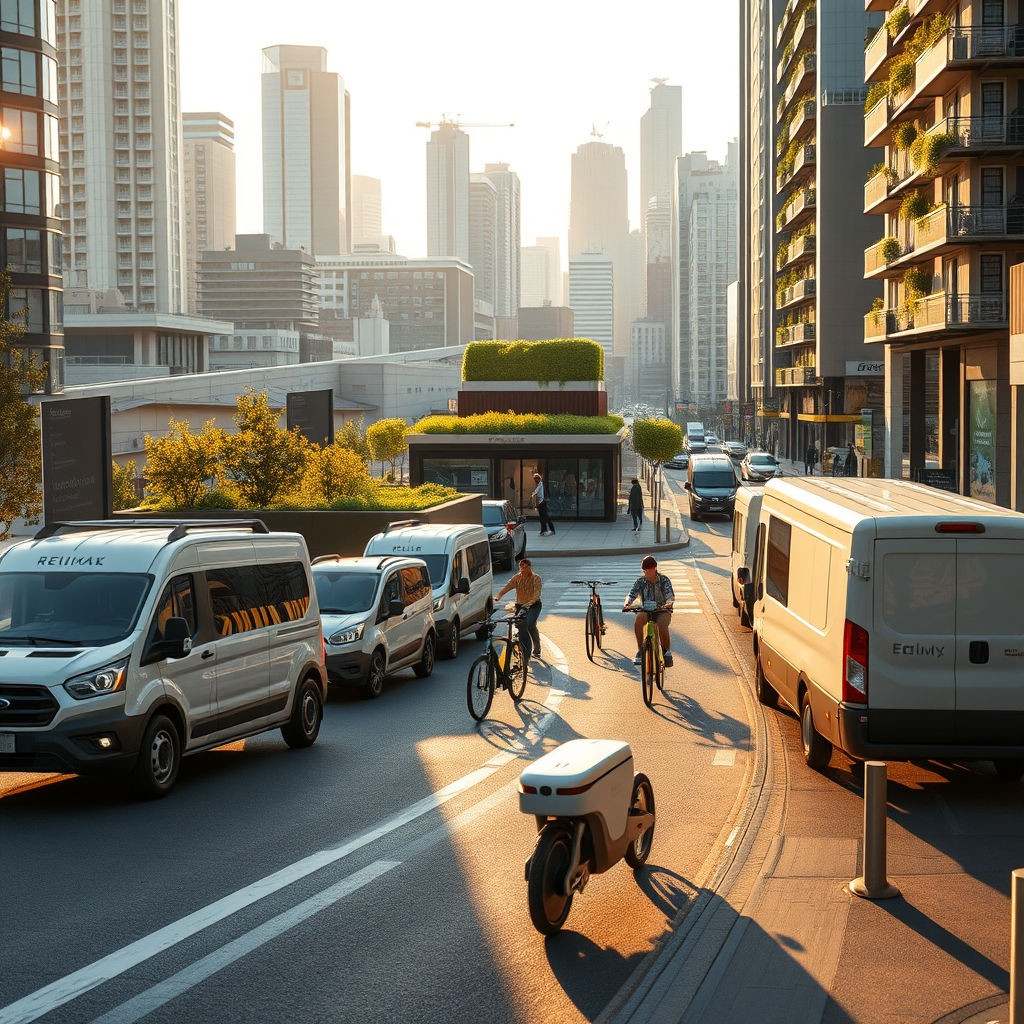
The modern logistics landscape is undergoing a profound transformation, driven by the dual imperatives of sustainability and efficiency. As urbanization accelerates and consumer expectations evolve, the last mile—the final leg of the delivery journey—has emerged as both a challenge and an opportunity. Businesses are no longer judged solely on speed but on their ability to deliver with minimal environmental impact, maximum transparency, and a customer-centric approach. At the intersection of these demands lies a new paradigm: the green last mile, where sustainable delivery solutions and hyper-local networks are redefining what it means to move goods in the 21st century.
The Rise of Sustainable Delivery Solutions
The environmental footprint of logistics has come under intense scrutiny, with last-mile delivery accounting for a significant portion of carbon emissions in urban areas. Traditional delivery models, reliant on fossil-fuel-powered vehicles and inefficient routing, are no longer tenable in a world grappling with climate change. Enter sustainable delivery solutions—innovations designed to reduce emissions, optimize resource use, and align logistics with broader environmental goals.
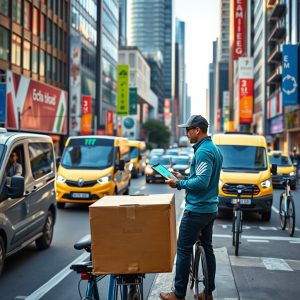
Electric vehicles (EVs) and cargo bikes are at the forefront of this shift. Companies like Amazon, UPS, and DHL are increasingly deploying electric fleets in urban centers, slashing emissions while maintaining delivery efficiency. In cities like London and Paris, cargo bikes have become a common sight, navigating congested streets with ease and delivering packages without a single gram of CO2. Beyond vehicles, alternative fuels such as hydrogen and biofuels are also gaining traction, offering a bridge between traditional logistics and a zero-emission future.
But sustainability in last-mile delivery isn’t just about the vehicles. Packaging plays a critical role, too. Value-added packaging—designed to be reusable, recyclable, or biodegradable—is reducing waste and enhancing the unboxing experience for customers. Brands are experimenting with innovative materials, from mushroom-based packaging to edible containers, turning the act of receiving a package into a statement of environmental responsibility.
Hyper-Local Networks: The Power of Proximity
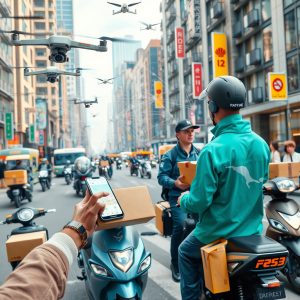
While sustainability addresses the environmental impact of logistics, hyper-local delivery networks tackle the inefficiencies that plague traditional models. The concept is simple: by decentralizing distribution and leveraging local hubs, businesses can reduce delivery times, lower costs, and minimize their carbon footprint. Hyper-local networks are particularly effective in urban areas, where density and demand create the perfect conditions for rapid, efficient delivery.
Dark stores—small, localized fulfillment centers—are a prime example of this trend. Unlike traditional warehouses, which are often located on the outskirts of cities, dark stores are embedded within urban neighborhoods, enabling same-day or even same-hour deliveries. Retailers like Walmart and Target have embraced this model, using their existing store networks as mini-distribution hubs to fulfill online orders with unprecedented speed. Similarly, third-party logistics providers are partnering with local businesses to create micro-fulfillment centers, turning underutilized spaces into nodes in a hyper-local delivery ecosystem.
Hyper-local networks also enable greater flexibility in delivery scheduling. Dynamic delivery scheduling, powered by predictive analytics, allows customers to choose delivery windows that suit their needs, reducing missed deliveries and the associated environmental cost of redelivery attempts. This level of personalization not only enhances the customer experience but also drives operational efficiency, as routes are optimized in real time based on demand and traffic conditions.
The Role of Technology in the Green Last Mile
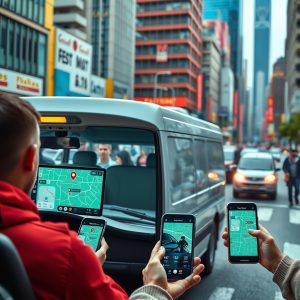
Technology is the linchpin of the green last mile, enabling businesses to balance sustainability with efficiency. Real-time tracking, for instance, provides customers with transparent shipment updates, reducing anxiety and the likelihood of failed deliveries. Digital proof of delivery, meanwhile, eliminates the need for paper receipts, streamlining the process while reinforcing trust between couriers and customers. These tools are not just about convenience; they are about creating a seamless, frictionless experience that aligns with modern expectations.
Predictive delivery analytics take this a step further by anticipating demand and optimizing routes before a single package is dispatched. By analyzing historical data, weather patterns, and traffic conditions, logistics providers can preemptively adjust their operations, reducing fuel consumption and emissions. Automated fulfillment processes, powered by robotics and AI, further enhance efficiency by speeding up order processing and reducing human error. The result is a logistics ecosystem that is not only faster but also smarter and more sustainable.
Customer-Centric Logistics: Putting People First
At its core, the green last mile is about more than just technology and sustainability—it’s about people. Customer-centric logistics prioritizes the needs and preferences of the end-user, creating a delivery experience that is personalized, transparent, and responsive. Personalized logistics communication, for example, keeps customers informed at every stage of the delivery journey, from dispatch to doorstep. Whether through SMS, email, or app notifications, these updates foster trust and reduce the frustration of uncertainty.
Frictionless returns management is another critical component of customer-centric logistics. Easy, hassle-free returns not only enhance customer satisfaction but also reduce waste by ensuring that unwanted items are efficiently processed and resold or recycled. Contactless delivery experiences, accelerated by the pandemic, have also become a staple of modern logistics, offering convenience and safety without compromising on efficiency.
The Future of Urban Logistics
The green last mile is not a distant vision—it is already here, reshaping the way goods move through our cities. As businesses continue to innovate, the lines between sustainability, efficiency, and customer satisfaction will blur, creating a logistics ecosystem that is as responsible as it is responsive. Hyper-local networks will expand, electric fleets will grow, and technology will become even more integral to the delivery process. But the true measure of success will not be found in speed or cost alone, but in the ability to deliver a future where logistics works for both people and the planet.
In this evolving landscape, the businesses that thrive will be those that recognize the interconnectedness of these priorities. Sustainability is no longer a buzzword but a business imperative, and efficiency is no longer just about speed but about smart, data-driven decision-making. The green last mile is not just the future of logistics—it is the present, and it is redefining what it means to deliver with purpose.