The Next Frontier in Logistics: How Dynamic Delivery Scheduling and User-Friendly Portals Are Redefining Convenience

In an era where instant gratification is not just desired but expected, the logistics industry is undergoing a transformative shift. The focus has moved beyond mere speed to encompass flexibility, transparency, and a deeply personalized experience. At the heart of this evolution lies the convergence of dynamic delivery scheduling and user-friendly delivery portals, two innovations that are redefining what convenience means for consumers and businesses alike.
The Rise of Dynamic Delivery Scheduling
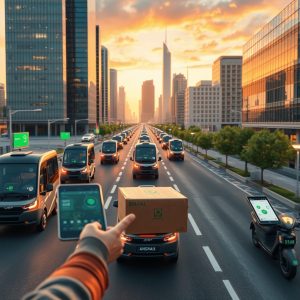
Gone are the days when customers had to plan their entire day around a vague delivery window. Dynamic delivery scheduling leverages advanced algorithms and real-time data to offer precise, flexible time slots that adapt to both the customer’s schedule and logistical constraints. This system doesn’t just benefit the end consumer; it also optimizes fleet efficiency, reduces fuel consumption, and minimizes the environmental impact of last-mile delivery.
For instance, predictive analytics can anticipate traffic patterns, weather disruptions, and even driver availability to adjust delivery windows on the fly. Customers receive notifications with updated ETAs, and if a delay occurs, the system automatically suggests alternative time slots. This level of adaptability ensures that deliveries are not just fast but also reliable, fostering trust and satisfaction.
How Predictive Analytics Powers Flexibility
Predictive delivery analytics play a crucial role in dynamic scheduling. By analyzing historical data, machine learning models can forecast demand surges, identify potential bottlenecks, and optimize routes in real time. For example, if a sudden spike in orders occurs in a specific neighborhood, the system can reroute drivers to balance the load, ensuring that no single area is overwhelmed. This proactive approach reduces delays and enhances the overall delivery experience.
The Role of User-Friendly Delivery Portals
While dynamic scheduling addresses the logistical challenges, user-friendly delivery portals put the power directly in the hands of the customer. These portals serve as a centralized hub where users can track shipments, reschedule deliveries, provide specific instructions, and even manage returns—all with a few clicks. The key to their effectiveness lies in their simplicity and intuitiveness, ensuring that even non-tech-savvy users can navigate them effortlessly.
A well-designed delivery portal goes beyond basic tracking. It offers features like personalized logistics communication, where customers receive tailored updates via their preferred channels—be it SMS, email, or push notifications. It also integrates digital proof of delivery, allowing users to view photos or signatures confirming their package’s arrival. This level of transparency builds trust and reduces the need for customer service interventions, freeing up resources for more complex queries.
Seamless Integration with Other Logistics Innovations
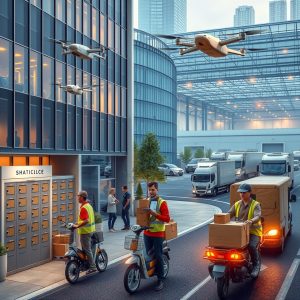
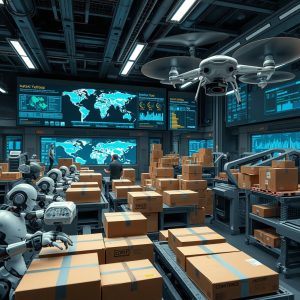
The true potential of user-friendly delivery portals is unlocked when they are integrated with other cutting-edge logistics solutions. For example, combining them with hyper-local delivery networks enables faster, more efficient deliveries by leveraging local couriers who are familiar with the area. Similarly, integrating automated fulfillment processes ensures that orders are picked, packed, and dispatched with minimal human intervention, reducing errors and speeding up the entire supply chain.
Another critical integration is with frictionless returns management. A seamless returns process is a cornerstone of customer-centric logistics, and delivery portals can simplify this by allowing users to initiate returns, print labels, and schedule pickups without ever leaving the platform. This not only enhances the customer experience but also reduces the operational burden on businesses.
The Environmental and Operational Benefits
The synergy between dynamic delivery scheduling and user-friendly portals extends beyond customer convenience. By optimizing routes and reducing failed delivery attempts, these systems contribute to sustainable delivery solutions. Fewer miles driven mean lower carbon emissions, aligning with the growing demand for eco-friendly logistics practices. Additionally, the reduction in failed deliveries translates to cost savings for businesses, as fewer resources are wasted on redelivery attempts.
From an operational standpoint, these innovations also enable scalable distribution models. As businesses grow, their logistics infrastructure can adapt without proportional increases in cost or complexity. Automated systems handle the heavy lifting, allowing companies to focus on strategic growth rather than day-to-day operational challenges.
Building a Customer-Centric Ecosystem
At its core, the shift toward dynamic scheduling and user-friendly portals reflects a broader trend in logistics: the move toward a customer-centric approach. Today’s consumers expect more than just speed; they want control, transparency, and a personalized experience. By giving customers the tools to manage their deliveries on their terms, businesses can foster loyalty and differentiate themselves in a competitive market.
Moreover, these innovations are not just for large enterprises. Small and medium-sized businesses can also leverage cloud-based logistics platforms to offer the same level of convenience and efficiency. This democratization of technology ensures that businesses of all sizes can compete on a level playing field, delivering exceptional experiences to their customers.
The logistics industry is no longer just about moving goods from point A to point B. It’s about creating an ecosystem where every touchpoint—from the moment an order is placed to the final delivery—is seamless, transparent, and tailored to the customer’s needs. As dynamic delivery scheduling and user-friendly portals become the norm, they are setting a new standard for what it means to deliver not just packages, but exceptional experiences. In this new frontier, convenience is not a luxury; it’s an expectation, and businesses that fail to adapt risk being left behind in an increasingly customer-driven world.