The Strategic Synergy of Eco-Friendly Delivery and Smart Courier Solutions in Modern Logistics
In an era where speed and efficiency dominate the logistics landscape, a new paradigm is emerging—one that harmonizes the urgency of express delivery with the responsibility of sustainability. Businesses and consumers alike are no longer satisfied with just fast; they demand smart, eco-conscious solutions that align with their values without compromising on performance. This shift is redefining how courier services operate, blending innovation with environmental stewardship to create a logistics ecosystem that is as intelligent as it is impactful.
The Rise of Eco-Friendly Delivery in Corporate Logistics
The push for sustainability in logistics is not just a trend; it’s a fundamental transformation driven by regulatory pressures, consumer expectations, and corporate responsibility. Companies are increasingly adopting eco-friendly delivery methods, such as electric vehicles, bike couriers, and carbon-neutral shipping options, to reduce their environmental footprint. These initiatives are not merely about compliance; they represent a strategic advantage. Businesses that prioritize green logistics often see improved brand loyalty, cost savings from fuel efficiency, and a competitive edge in markets where sustainability is a key differentiator.
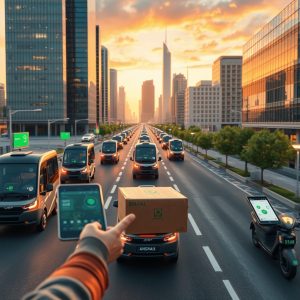
For instance, last-mile delivery—the final and often most carbon-intensive leg of the shipping journey—is undergoing a green revolution. Smart courier solutions now leverage route optimization algorithms to minimize fuel consumption, while electric fleets and alternative fuels are becoming standard in urban logistics. These advancements are not just reducing emissions; they’re also enhancing operational efficiency by cutting down on delivery times and costs.
Smart Courier Solutions: The Backbone of Modern Logistics
The integration of technology into courier services has given rise to a new era of smart logistics. Real-time package tracking, automated pickup services, and AI-driven route planning are no longer luxuries but necessities in today’s fast-paced world. These innovations are particularly critical for businesses that rely on B2B delivery services, where precision and reliability can make or break supply chain efficiency.
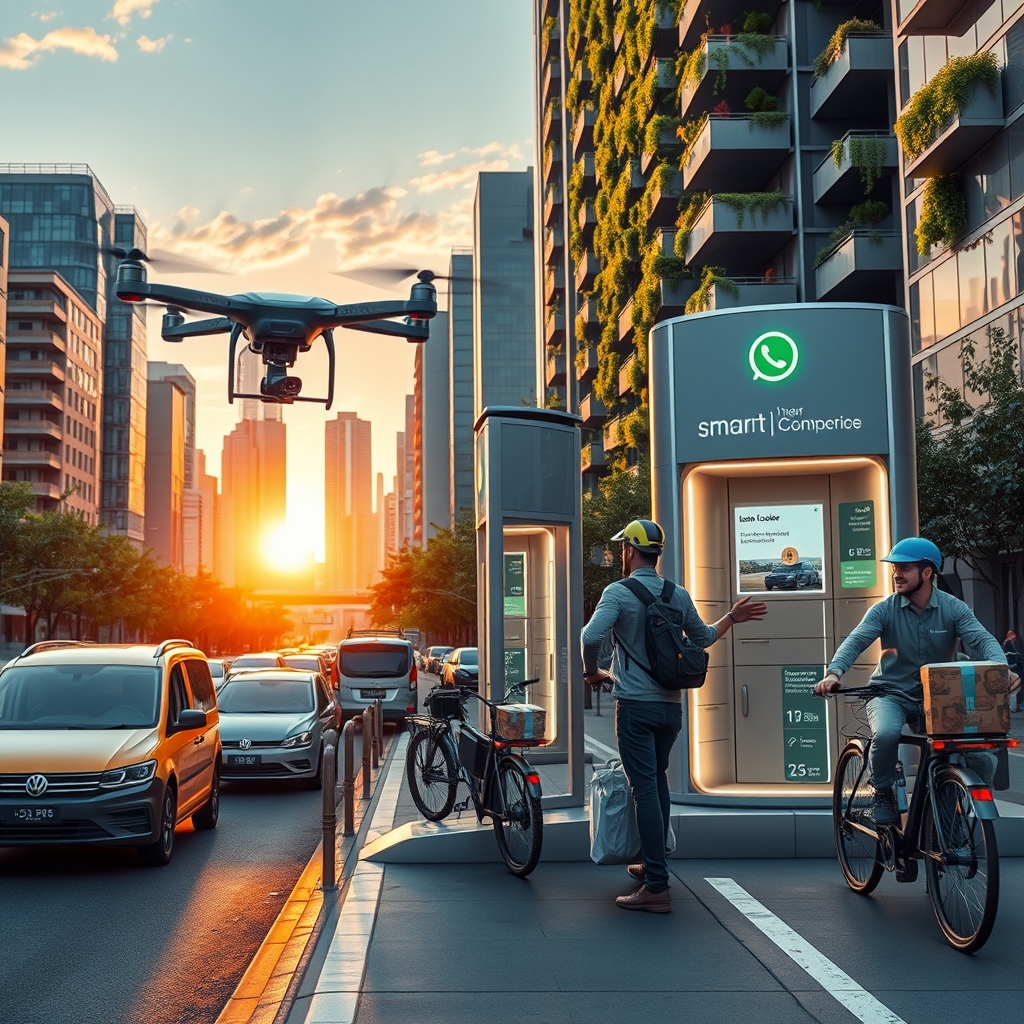
One of the most transformative developments in this space is the advent of smart lockers and contactless drop-off points. These solutions address the challenges of residential parcel delivery by providing secure, flexible pickup options that reduce failed delivery attempts and enhance customer convenience. For businesses, this means fewer resources spent on redelivery efforts and higher satisfaction rates among clients who value flexibility and security.
Balancing Speed and Sustainability in Express Delivery
The demand for same-day and express package delivery continues to grow, driven by the rise of e-commerce and the expectation of instant gratification. However, this urgency often comes at an environmental cost. The challenge for modern logistics providers is to deliver speed without sacrificing sustainability. This is where hybrid models come into play, combining traditional delivery methods with eco-friendly alternatives to create a balanced approach.
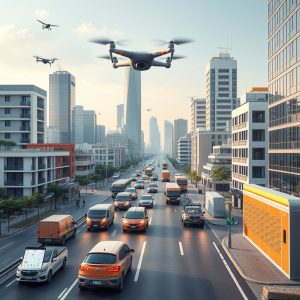
For example, some courier services now offer bulk shipping discounts for businesses that consolidate their deliveries, reducing the number of trips required and lowering emissions. Others are experimenting with drone deliveries for lightweight, urgent packages, which can significantly cut down on fuel use and traffic congestion. These innovations are not just futuristic concepts; they are becoming integral to how logistics companies operate in urban and suburban environments.
The Role of Local Courier Services in Hyper-Local Logistics
While nationwide freight shipping and international parcel delivery dominate the headlines, local courier services are quietly powering the hyper-local logistics that keep communities and businesses running smoothly. These services excel in scenarios where speed and proximity matter most, such as urgent document courier for legal or medical deliveries, or on-demand drop-off for small businesses that need to move inventory quickly.
The strategic advantage of local couriers lies in their ability to provide personalized, flexible solutions that larger logistics providers often struggle to match. Whether it’s a scheduled parcel pickup for a corporate client or a contactless package drop-off for a residential customer, local couriers offer a level of agility that is unmatched. This agility is further enhanced by real-time tracking, which provides transparency and peace of mind for both senders and recipients.
E-Commerce and the Future of Order Fulfillment
The explosion of e-commerce has placed unprecedented demands on logistics networks, particularly in the realm of order fulfillment. Businesses are now expected to deliver products faster, cheaper, and with greater accuracy than ever before. To meet these demands, courier services are leveraging automation, AI, and data analytics to streamline every step of the fulfillment process—from warehouse management to last-mile delivery.
Eco-friendly delivery options are also becoming a key selling point for e-commerce brands. Consumers are increasingly willing to pay a premium for sustainable shipping, and businesses that offer carbon-neutral or low-emission delivery options can differentiate themselves in a crowded market. This shift is not just about meeting consumer demand; it’s about future-proofing logistics operations in a world where sustainability is no longer optional.
The logistics industry is at a crossroads, where the need for speed and efficiency intersects with the imperative of sustainability. The companies that thrive in this new landscape will be those that embrace innovation, prioritize eco-friendly practices, and leverage smart courier solutions to deliver not just packages, but value. As technology continues to evolve and consumer expectations shift, the logistics ecosystem will become more interconnected, intelligent, and sustainable, paving the way for a future where delivery is as responsible as it is rapid. The journey has just begun, and the possibilities are as limitless as the demand for smarter, greener logistics.