Navigating the Complexities of Global Supply Chain Management in 2026
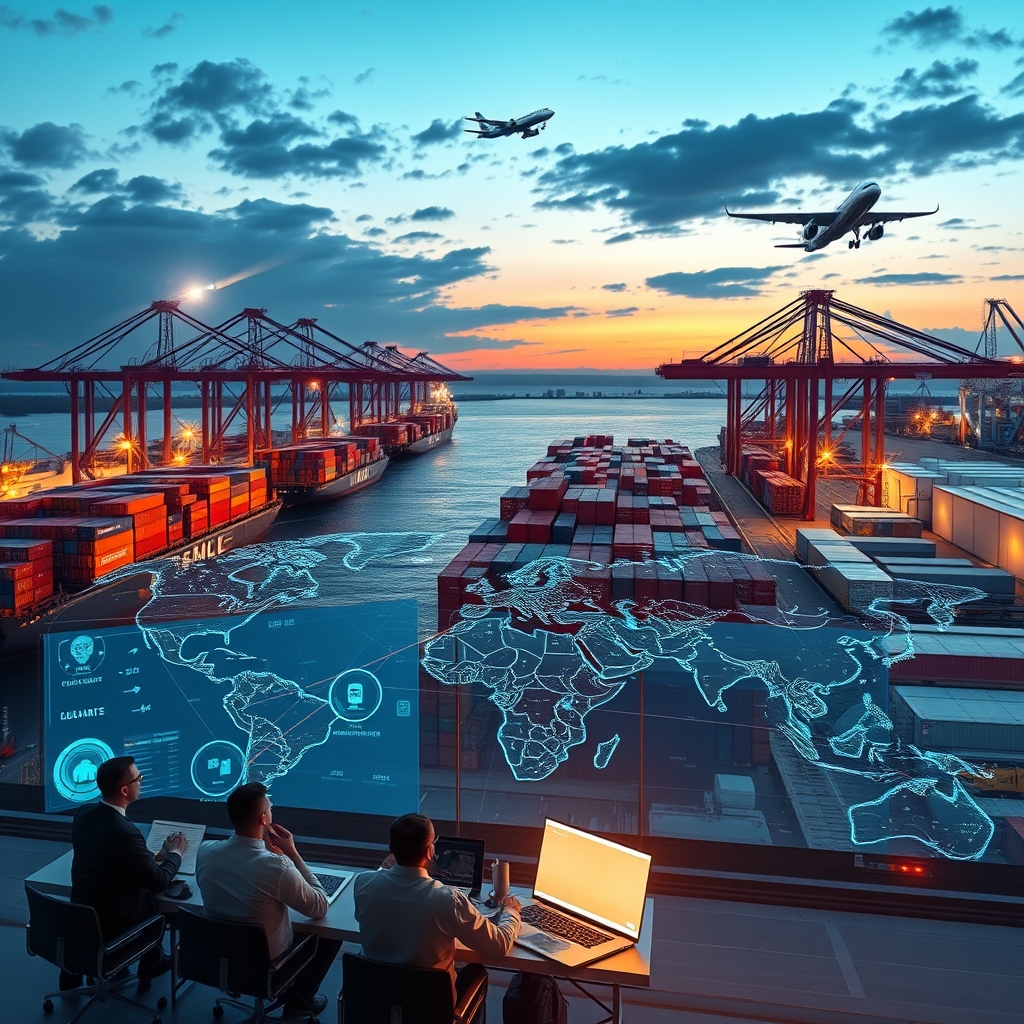
The modern global supply chain is a intricate web of interconnected processes, technologies, and stakeholders, each playing a critical role in ensuring the seamless movement of goods across borders. As businesses expand their reach into international markets, the demand for efficient logistics management and supply chain solutions has never been higher. Companies that fail to adapt to the evolving landscape risk falling behind, facing delays, increased costs, and dissatisfied customers. Understanding the key components of a robust supply chain is essential for any business aiming to thrive in today’s competitive environment.
The Role of Freight Forwarding in International Trade
Freight forwarding serves as the backbone of international shipping, acting as the intermediary between shippers and transportation services. Freight forwarders coordinate the movement of goods via sea freight, air cargo, and land transportation, ensuring that shipments reach their destinations on time and in optimal condition. Their expertise in import-export compliance and customs brokerage helps businesses navigate the complex regulations and documentation required for cross-border trade. Without the support of a reliable freight forwarder, companies may encounter costly delays, fines, or even the seizure of goods at customs.
In addition to handling logistics, freight forwarders provide valuable services such as cargo tracking, which allows businesses to monitor their shipments in real-time. This transparency is crucial for maintaining customer trust and optimizing inventory management. Furthermore, freight forwarders often leverage intermodal transport—combining multiple modes of transportation—to enhance efficiency and reduce costs. For example, a shipment might travel by sea to a major port, then switch to rail or truck for final delivery, minimizing transit time and environmental impact.
The Growing Importance of E-Commerce Logistics
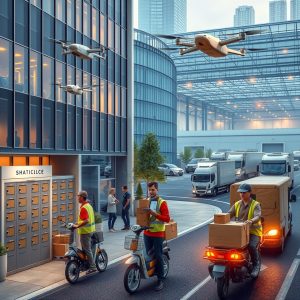
The rise of e-commerce has revolutionized the way consumers shop, placing unprecedented pressure on supply chains to deliver faster, more flexible solutions. E-commerce logistics requires a unique approach, as businesses must manage high volumes of small, individual orders while maintaining speed and accuracy. This shift has led to the growth of third-party logistics (3PL) providers, who specialize in warehousing, order fulfillment, and last-mile delivery. By outsourcing these functions, e-commerce companies can focus on their core competencies, such as marketing and customer service, while leaving the complexities of logistics to the experts.
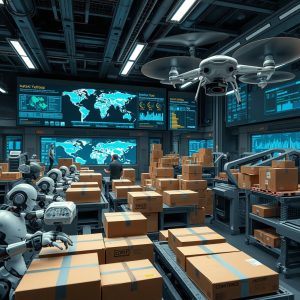
One of the biggest challenges in e-commerce logistics is managing returns, which can account for a significant portion of operational costs. Efficient warehouse logistics and reverse logistics processes are essential for minimizing losses and maintaining profitability. Additionally, the demand for express delivery has surged, with consumers expecting same-day or next-day shipping options. To meet these expectations, logistics providers are investing in advanced technologies, such as automation and artificial intelligence, to streamline operations and improve delivery times.
Ensuring Compliance and Efficiency in Port Operations
Port operations play a pivotal role in the global supply chain, serving as the gateway for goods entering and exiting a country. Efficient port management is critical for reducing bottlenecks and ensuring the smooth flow of cargo. However, ports are often plagued by congestion, labor shortages, and regulatory hurdles, which can disrupt supply chains and lead to delays. Businesses must work closely with customs brokers and port authorities to ensure compliance with local and international regulations, avoiding costly fines and shipment hold-ups.
Technology has become a game-changer in port operations, with innovations such as automated cranes, blockchain for documentation, and IoT-enabled tracking systems enhancing efficiency and security. For instance, cold chain logistics—which involves the transportation of temperature-sensitive goods like pharmaceuticals and perishable foods—relies heavily on advanced monitoring systems to maintain the integrity of shipments. Any failure in the cold chain can result in spoilage, financial losses, and reputational damage. By leveraging technology, ports can improve turnaround times, reduce errors, and enhance overall supply chain resilience.
The Future of Intermodal Transport and Fleet Management
As sustainability becomes a top priority for businesses worldwide, intermodal transport is gaining traction as an eco-friendly alternative to traditional shipping methods. By combining rail, road, and sea transport, companies can reduce their carbon footprint while maintaining cost efficiency. Rail transport, in particular, is highly energy-efficient and capable of moving large volumes of goods over long distances with minimal environmental impact. However, successful intermodal transport requires careful coordination between different carriers and modes of transportation, as well as robust fleet management practices.
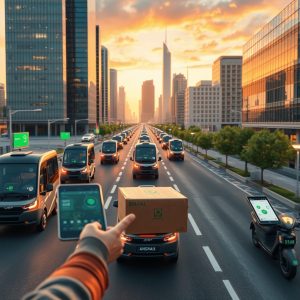
Effective fleet management is essential for optimizing the performance of transportation networks. This includes everything from vehicle maintenance and fuel efficiency to driver safety and route planning. Advanced telematics systems provide real-time data on fleet performance, enabling businesses to make informed decisions and reduce operational costs. For example, route optimization software can identify the most efficient paths for deliveries, reducing fuel consumption and improving delivery times. As the logistics industry continues to evolve, businesses that prioritize sustainability and efficiency in their fleet management strategies will gain a competitive edge.
The global supply chain is a dynamic and ever-changing ecosystem, where adaptability and innovation are key to success. Businesses that invest in robust supply chain solutions, leverage the expertise of business consulting professionals, and embrace technological advancements will be best positioned to navigate the challenges of international trade. Whether it’s through optimizing port operations, enhancing e-commerce logistics, or adopting sustainable intermodal transport, the future of logistics lies in collaboration, efficiency, and a commitment to continuous improvement. Those who fail to evolve risk being left behind in an increasingly interconnected world.