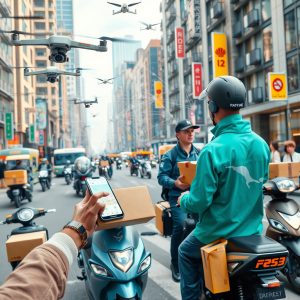
The Invisible Web: How Integrated Inventory Visibility and Frictionless Returns Are Weaving the Future of Last Mile Delivery
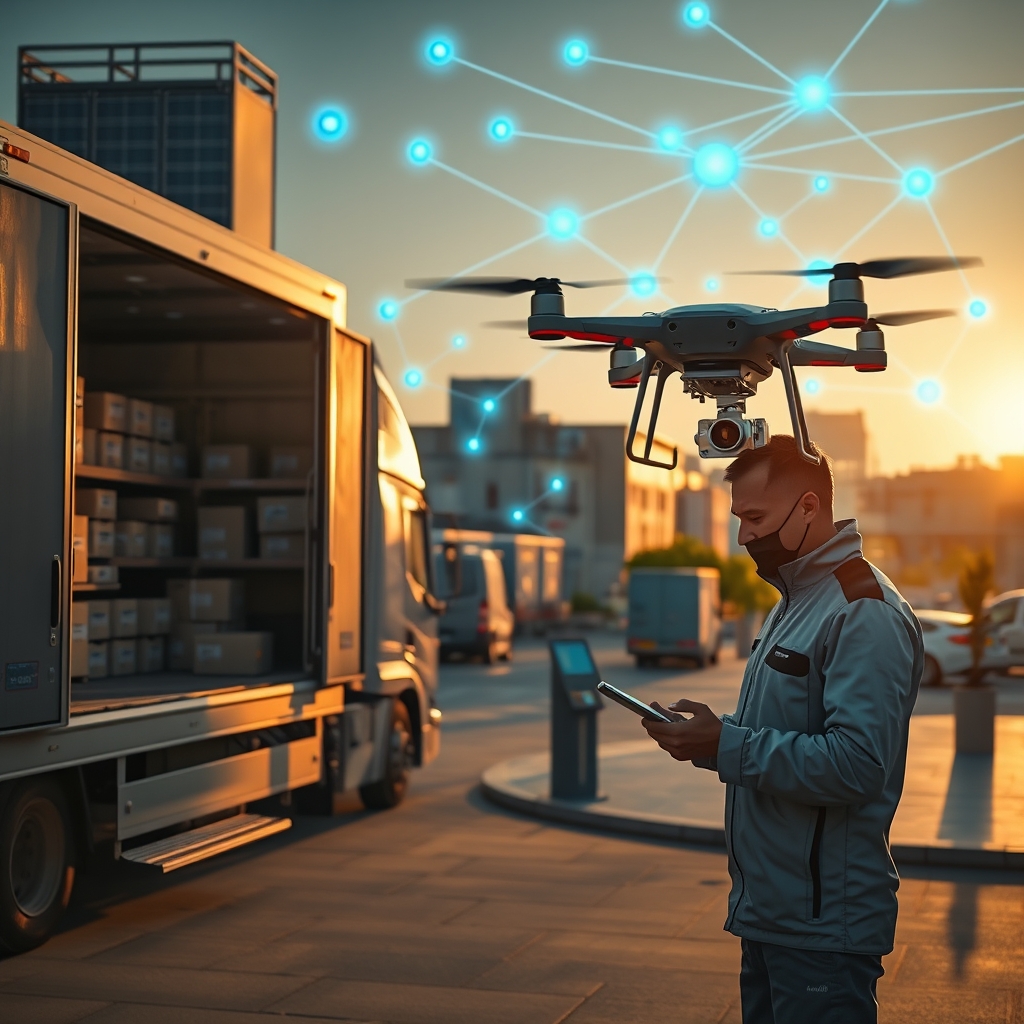
The modern consumer doesn’t just expect speed—they demand transparency, flexibility, and a seamless experience from the moment an order is placed until the final package is in their hands. The last mile of delivery, often the most complex and costly segment of the logistics chain, has become the battleground where brands either win loyalty or lose trust. Yet, beneath the surface of this high-stakes journey lies an invisible web of technologies and strategies that are quietly transforming how goods move from warehouses to doorsteps. At the heart of this transformation are two critical pillars: integrated inventory visibility and frictionless returns management, both of which are redefining what it means to deliver not just a product, but an experience.
The Power of Seeing Everything, Everywhere
Imagine a world where a retailer knows exactly where every single item in their inventory is located—whether it’s in a warehouse, a distribution center, a delivery truck, or even a partner’s store—before a customer even clicks “buy.” This isn’t a futuristic fantasy; it’s the reality of integrated inventory visibility, a game-changer for last mile delivery. By leveraging real-time data from IoT sensors, RFID tags, and advanced warehouse management systems, logistics providers can now track inventory with pinpoint accuracy, reducing stockouts, overstocking, and the dreaded “item not available” message that frustrates customers.
But the benefits go beyond just avoiding disappointment. Integrated inventory visibility enables dynamic rerouting of shipments based on real-time demand. For example, if a sudden spike in orders occurs in one neighborhood, a logistics provider can quickly identify nearby inventory and redirect it to a local hub, ensuring faster delivery times. This level of agility is particularly crucial for hyper-local delivery networks, where the ability to respond to demand in real time can mean the difference between a satisfied customer and a lost sale.
Moreover, this transparency extends to the customer. With real-time tracking experiences, shoppers can monitor their orders from the warehouse to their doorstep, receiving updates at every stage of the journey. This not only builds trust but also reduces the volume of “Where is my order?” inquiries, freeing up customer service teams to focus on more complex issues. The result? A smoother, more predictable delivery process that aligns with the expectations of today’s always-connected consumers.
The Unsung Hero of Customer Loyalty: Frictionless Returns
While much of the focus in last mile delivery is on getting products to customers quickly, the reverse journey—returns—is equally critical. In fact, a seamless returns process can be a powerful differentiator in a crowded market. Studies show that 79% of consumers consider the ease of returns when deciding where to shop, and a cumbersome returns process can drive them straight into the arms of a competitor. This is where frictionless returns management comes into play, turning what was once a logistical headache into a competitive advantage.
Frictionless returns begin with automated fulfillment processes that simplify the initiation of a return. Customers should be able to request a return with just a few clicks, whether through a retailer’s website, a mobile app, or even a chatbot. Once the return is initiated, the process should be just as seamless behind the scenes. Advanced logistics platforms can automatically generate return labels, schedule pickups, and even route returned items to the nearest warehouse or refurbishment center, minimizing handling time and costs.
But the true magic happens when returns are integrated with inventory visibility. By knowing exactly where returned items are at all times, retailers can quickly restock them, refurbish them if necessary, and make them available for resale. This not only reduces waste but also ensures that inventory levels remain accurate, preventing overselling and stockouts. For example, a returned pair of shoes might be inspected, repackaged, and back on the virtual shelf within hours, ready to be purchased by another customer. This level of efficiency is a win-win: customers enjoy a hassle-free returns process, while retailers maximize the value of their inventory.
Beyond the Basics: Value-Added Returns
The most forward-thinking logistics providers are taking returns a step further by turning them into opportunities for engagement. For instance, some brands now offer personalized logistics communication during the returns process, such as a follow-up email with styling tips for a returned item or a discount on a future purchase. Others use returns data to identify trends—like a particular product that’s frequently returned due to sizing issues—and proactively address them, whether by updating product descriptions or offering virtual try-on tools.
Additionally, sustainable delivery solutions are playing a role in returns management. Many consumers are now conscious of the environmental impact of shipping, and brands are responding by offering carbon-neutral return options or incentivizing customers to drop off returns at local stores or lockers. This not only reduces the carbon footprint of returns but also aligns with the growing demand for eco-friendly logistics practices.
The Ripple Effect: How Integrated Visibility and Frictionless Returns Reshape the Last Mile
The synergy between integrated inventory visibility and frictionless returns doesn’t just improve individual aspects of the delivery process—it creates a ripple effect that enhances the entire last mile experience. For starters, it enables predictive delivery analytics, where historical data on returns and inventory movement is used to forecast demand more accurately. This, in turn, allows logistics providers to optimize routes, reduce delivery times, and even anticipate potential disruptions before they occur.
Furthermore, this integration supports scalable distribution models. As e-commerce continues to grow, logistics providers must be able to handle fluctuations in demand without sacrificing efficiency. By having a clear view of inventory and returns, they can scale their operations up or down as needed, whether it’s during peak shopping seasons or unexpected surges in orders. This scalability is particularly important for hyper-local delivery networks, where the ability to quickly adapt to local demand can make or break the customer experience.
Finally, the combination of visibility and frictionless returns fosters customer-centric logistics. When customers know they can track their orders in real time and return items with ease, their trust in the brand deepens. This trust translates into loyalty, repeat purchases, and even word-of-mouth referrals—all of which are invaluable in a competitive market. In an era where convenience is king, the brands that prioritize transparency and flexibility in their logistics operations are the ones that will stand out.
The last mile of delivery is no longer just about speed; it’s about creating an experience that feels effortless, personalized, and trustworthy. As integrated inventory visibility and frictionless returns become the norm, the invisible web of logistics will continue to evolve, weaving together technology, data, and customer-centric strategies into a seamless tapestry. The future of delivery isn’t just about getting packages from point A to point B—it’s about doing so in a way that feels almost magical to the customer, where every touchpoint is smooth, every update is timely, and every interaction leaves them wanting more. And in this future, the brands that master the art of the invisible will be the ones that lead the way.