Scheduled Delivery Services: Planning for Efficiency and Customer Satisfaction
In today’s fast-paced world, where convenience and reliability are paramount, scheduled delivery services have emerged as a game-changer for both businesses and consumers. These services are not just about transporting goods from point A to point B; they are about precision, predictability, and peace of mind. By leveraging automation and smart logistics, companies can streamline operations, reduce costs, and most importantly, enhance customer satisfaction. But how exactly do scheduled deliveries achieve this, and why are they becoming indispensable in modern commerce?
The Backbone of Modern Logistics
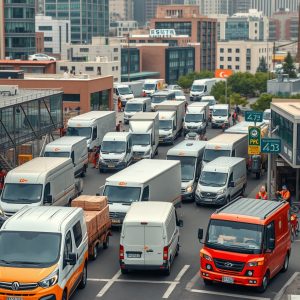
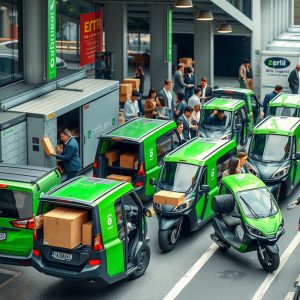
At the heart of scheduled delivery services lies a well-orchestrated system of planning and execution. Unlike traditional delivery methods, which often rely on ad-hoc routes and last-minute adjustments, scheduled deliveries operate on a fixed timetable. This predictability allows businesses to optimize their supply chains, ensuring that resources are allocated efficiently. For instance, warehouses can prepare shipments in advance, reducing the time spent on sorting and loading. Similarly, delivery vehicles can follow pre-determined routes, minimizing fuel consumption and wear-and-tear on the fleet.
For consumers, the benefits are equally compelling. Scheduled deliveries eliminate the uncertainty of waiting for a package to arrive within a vague timeframe. Instead, customers can plan their day around a specific delivery window, reducing frustration and missed deliveries. This level of reliability fosters trust and loyalty, which are invaluable for businesses looking to build long-term relationships with their customers.
Automation: The Driving Force Behind Efficiency
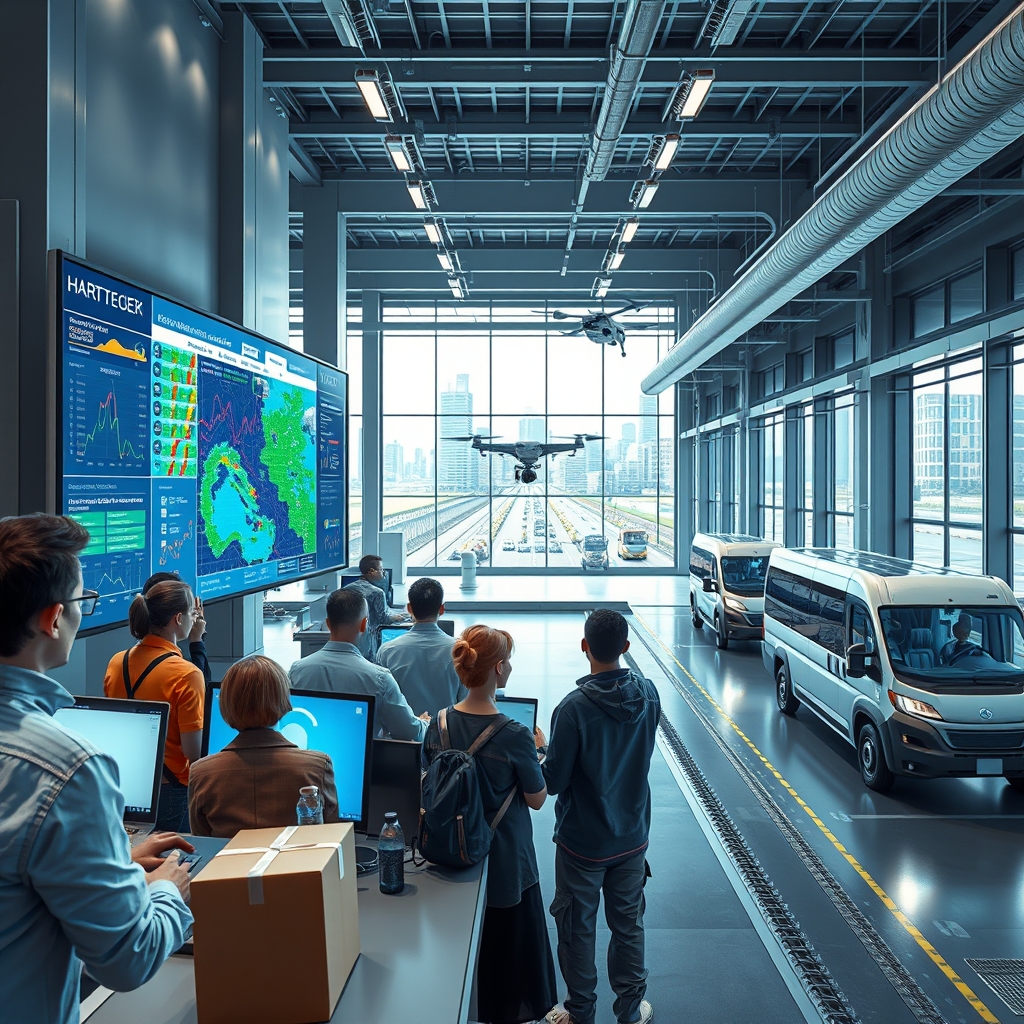
One of the most significant advancements in scheduled delivery services is the integration of automation. From automated sorting systems in warehouses to AI-driven route optimization software, technology is transforming the way deliveries are managed. Automated systems can process orders, track inventory, and even predict demand with remarkable accuracy. This not only speeds up the delivery process but also reduces the likelihood of human error, which can lead to delays or misplaced shipments.
For example, machine learning algorithms can analyze historical data to identify patterns in delivery times, traffic conditions, and customer preferences. This information can then be used to optimize routes in real-time, ensuring that deliveries are made as efficiently as possible. Additionally, automation allows for better communication between businesses and customers. Automated notifications, such as SMS or email alerts, keep customers informed about the status of their deliveries, further enhancing the overall experience.
Cost Savings: A Win-Win for Businesses and Consumers
Efficiency in logistics doesn’t just benefit the customer experience; it also translates into significant cost savings for businesses. By reducing the time and resources required to fulfill orders, companies can lower their operational costs. For instance, optimized routes mean fewer miles driven, which translates into lower fuel costs and reduced vehicle maintenance expenses. Similarly, automated systems reduce the need for manual labor, allowing businesses to reallocate resources to other areas of the operation.
These cost savings can often be passed on to the consumer in the form of lower prices or additional services. For example, some companies offer discounted delivery fees for customers who opt for scheduled deliveries during off-peak hours. This not only incentivizes customers to choose more efficient delivery windows but also helps businesses balance their workload throughout the day.
Smart Logistics: The Future of Delivery Services
The evolution of scheduled delivery services is closely tied to the rise of smart logistics. Smart logistics refers to the use of advanced technologies, such as the Internet of Things (IoT), artificial intelligence (AI), and big data analytics, to create more intelligent and responsive supply chains. These technologies enable businesses to monitor and manage their deliveries in real-time, making adjustments as needed to ensure timely and accurate deliveries.
For instance, IoT-enabled sensors can track the location and condition of shipments throughout the delivery process. This information can be used to provide customers with real-time updates on their orders, as well as to identify potential issues, such as delays or damage, before they become major problems. AI-powered analytics can also help businesses anticipate demand and adjust their logistics strategies accordingly, ensuring that they are always prepared to meet customer needs.
Enhancing Customer Satisfaction Through Personalization
One of the most exciting aspects of smart logistics is the ability to personalize the delivery experience. By leveraging data and analytics, businesses can tailor their delivery services to meet the unique needs and preferences of their customers. For example, some companies offer flexible delivery windows, allowing customers to choose a time that works best for them. Others provide options for contactless delivery or the ability to reroute a package to a different address if the customer is not available to receive it.
Personalization extends beyond the delivery process itself. Businesses can also use data to offer personalized recommendations, promotions, or loyalty rewards based on a customer’s purchase history and preferences. This level of customization not only enhances the customer experience but also fosters a deeper connection between the brand and the consumer.
As businesses continue to embrace scheduled delivery services, the focus on efficiency and customer satisfaction will only grow stronger. The integration of automation and smart logistics is not just a trend but a fundamental shift in how goods are transported and delivered. By prioritizing predictability, reliability, and personalization, companies can create a delivery experience that meets the demands of today’s consumers while also driving long-term success. The future of delivery services is here, and it is smarter, faster, and more customer-centric than ever before.