The Strategic Fusion of Urgent Document Courier and Eco-Friendly Delivery in Modern Corporate Logistics
In an era where speed and sustainability are no longer mutually exclusive, businesses are redefining their logistics strategies to meet the dual demands of urgency and environmental responsibility. The convergence of urgent document courier services and eco-friendly delivery solutions is emerging as a game-changer, particularly for industries where time-sensitive materials and corporate sustainability goals intersect. This fusion is not just about getting packages from point A to point B faster—it’s about doing so in a way that aligns with the values of modern consumers, regulators, and stakeholders.
The Urgency Imperative: Why Speed Still Matters
For legal firms, financial institutions, and healthcare providers, the need for same-day package delivery or urgent document courier services is non-negotiable. A signed contract, a medical report, or a time-stamped legal filing can’t afford delays, and traditional shipping methods often fall short. On-demand courier services have stepped in to fill this gap, offering businesses the ability to dispatch critical documents within hours, not days. The rise of real-time package tracking has further elevated these services, providing transparency and peace of mind for both senders and recipients.
Yet, speed alone is no longer enough. As corporate sustainability initiatives gain traction, businesses are under increasing pressure to reduce their carbon footprint. This is where the integration of eco-friendly practices into urgent delivery services becomes critical. Companies that can promise both speed and sustainability are positioning themselves as leaders in a competitive logistics landscape.
The Green Shift: How Eco-Friendly Delivery is Reshaping Logistics
The logistics industry has long been scrutinized for its environmental impact, with traditional delivery methods relying heavily on fossil fuels and inefficient routing. However, the tide is turning. Eco-friendly delivery solutions are now being adopted at scale, from electric vehicle fleets to optimized routing algorithms that minimize fuel consumption. For businesses, this shift is not just about compliance—it’s about brand reputation and long-term cost savings.
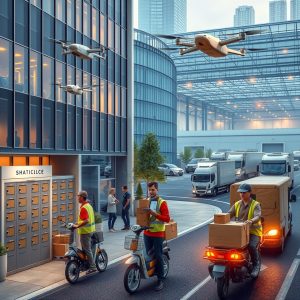
One of the most effective ways companies are reducing their environmental impact is through contactless package drop-off and smart locker pick-up systems. These innovations eliminate the need for multiple delivery attempts, reducing emissions and improving efficiency. Additionally, bulk shipping discounts encourage businesses to consolidate shipments, further cutting down on carbon emissions. For industries that rely on B2B delivery services, these strategies are proving to be both economically and environmentally sound.
Balancing Speed and Sustainability: The Hybrid Approach
The challenge for modern logistics providers is to maintain the speed of express package delivery while adopting greener practices. This hybrid approach is being achieved through several key innovations:
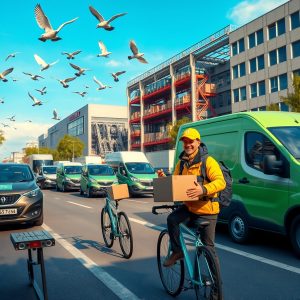
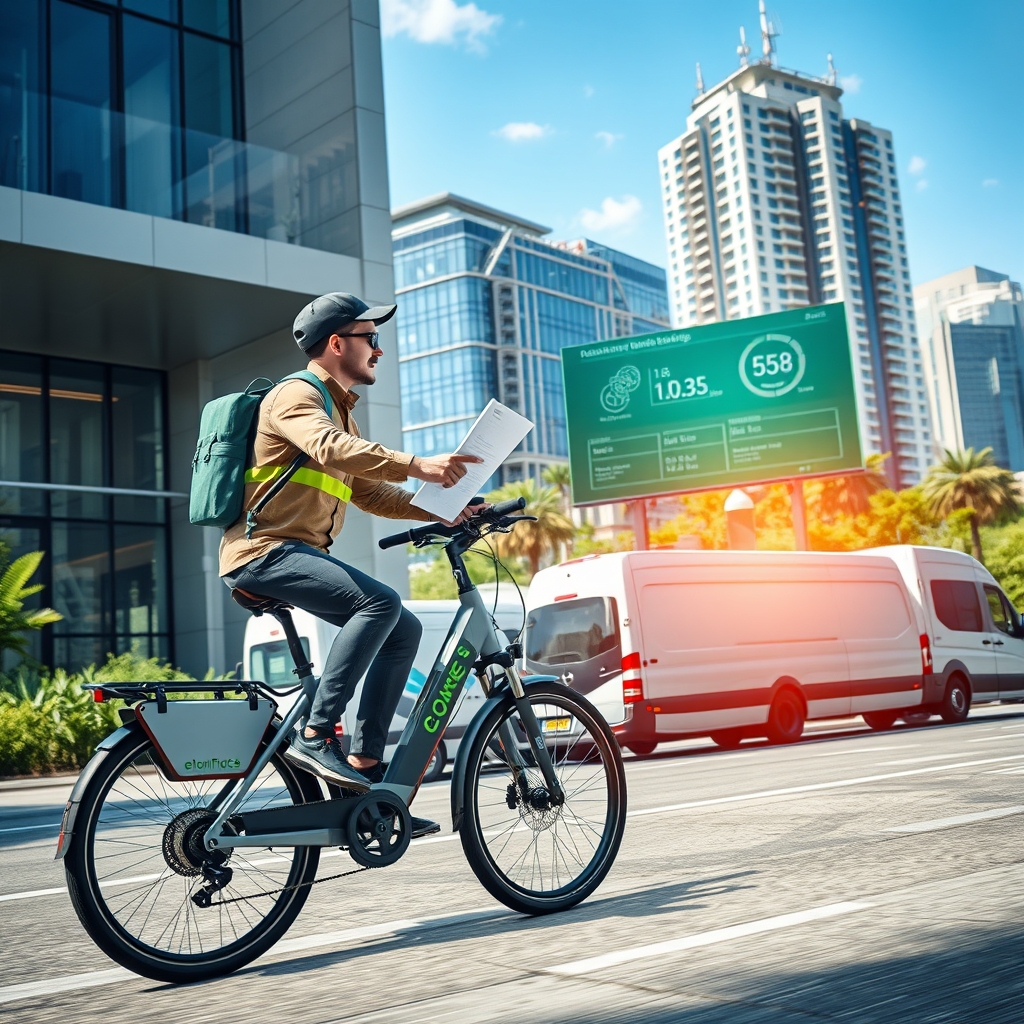
- Electric and Hybrid Fleets: Companies are investing in electric vans and bikes for last-mile delivery, significantly reducing emissions in urban areas.
- Route Optimization: AI-driven logistics platforms are analyzing traffic patterns, weather conditions, and delivery windows to create the most efficient routes, cutting fuel use and delivery times.
- Carbon Offsetting: Some courier services now offer carbon-neutral shipping options, allowing businesses to offset the emissions from their deliveries through reforestation or renewable energy projects.
- Smart Packaging: The use of biodegradable or reusable packaging materials is reducing waste, while also appealing to eco-conscious consumers.
These strategies are not just theoretical—they’re being implemented by forward-thinking logistics providers who recognize that the future of delivery lies in balancing speed with sustainability.
The Business Case for Sustainable Urgency
For businesses, the integration of urgent document courier services with eco-friendly delivery solutions offers a competitive edge. Clients and partners are increasingly prioritizing sustainability, and companies that can demonstrate a commitment to green logistics are more likely to win contracts and build long-term relationships. Moreover, sustainable practices often lead to cost savings, whether through reduced fuel consumption, lower packaging costs, or government incentives for green initiatives.
Consider the example of a law firm that needs to send confidential documents across the city within hours. By partnering with a courier service that uses electric vehicles and optimized routing, the firm not only meets its deadline but also aligns with its corporate sustainability goals. Similarly, an e-commerce business that offers same-day package delivery with carbon-neutral shipping can differentiate itself in a crowded market, attracting customers who value both speed and environmental responsibility.
The Role of Technology in Driving Change
Technology is the backbone of this logistics revolution. Real-time package tracking systems provide transparency, while AI-driven analytics help businesses optimize their shipping strategies. Automated scheduled parcel pick-up services ensure that deliveries are consolidated, reducing the number of trips required. Meanwhile, smart locker pick-up systems are making it easier for consumers to retrieve their packages without the need for home delivery, further cutting emissions.
For businesses, these technological advancements are not just about efficiency—they’re about future-proofing their operations. As regulations around emissions and sustainability become stricter, companies that have already adopted green logistics practices will be ahead of the curve. Those that haven’t risk falling behind, both in terms of compliance and competitiveness.
The logistics industry is at a crossroads, where the demands of speed and sustainability are no longer in conflict but are instead being harmonized into a new standard. Businesses that embrace this shift—by integrating urgent document courier services with eco-friendly delivery solutions—are not just meeting the needs of today’s market; they’re shaping the future of logistics. The question is no longer whether businesses can afford to prioritize sustainability, but whether they can afford not to. As consumer expectations evolve and regulatory pressures mount, the companies that thrive will be those that recognize the strategic value of delivering fast—and delivering green.