Speed Meets Sustainability: How B2B Delivery Services Are Balancing Urgency and Eco-Friendly Logistics
In today’s fast-paced business landscape, the demand for swift, reliable, and sustainable logistics solutions has never been higher. Companies across industries are under pressure to deliver goods faster than ever while minimizing their environmental footprint. This dual challenge has given rise to a new era of B2B delivery services that prioritize both speed and sustainability, reshaping how businesses approach corporate logistics and last mile delivery.
The Urgency of Speed in Modern Logistics
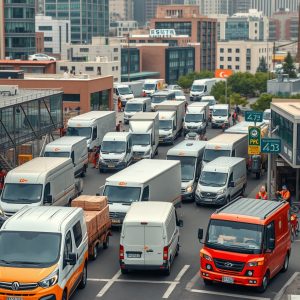
Time is money, and in the world of business, delays in express package delivery or urgent document courier services can have significant financial and operational repercussions. Whether it’s a critical contract that needs to be signed, medical supplies that must reach a hospital, or time-sensitive inventory for a retail chain, businesses rely on courier services that can guarantee same-day package delivery and scheduled parcel pick-up with precision.
Advancements in technology have played a pivotal role in meeting these demands. Real-time package tracking systems, AI-driven route optimization, and automated pick-up services have streamlined operations, reducing transit times and improving reliability. For businesses, this means fewer disruptions, better inventory management, and the ability to promise faster turnaround times to their customers.
The Role of Local Courier Services in B2B Efficiency
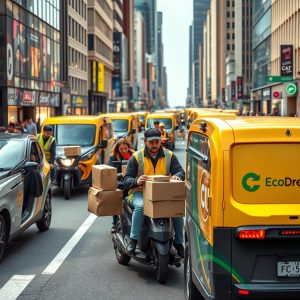
While nationwide and international shipping remain essential, local courier services have emerged as a game-changer for businesses operating within urban and suburban areas. These services offer unparalleled flexibility, allowing companies to arrange on-demand drop-offs or residential parcel drop-offs with minimal lead time. The agility of local couriers is particularly valuable for small and medium-sized enterprises (SMEs) that may not have the volume to justify large-scale freight shipping but still require fast, dependable delivery options.
Moreover, local couriers often provide a more personalized touch, with drivers who become familiar with a business’s specific needs and preferences. This level of service fosters stronger relationships between couriers and their clients, leading to improved communication and fewer errors in delivery.
The Green Imperative: Sustainability in Corporate Logistics
As businesses strive to meet consumer and regulatory demands for sustainability, eco-friendly delivery solutions have moved from being a niche offering to a mainstream necessity. The logistics industry, traditionally a significant contributor to carbon emissions, is undergoing a transformation, with companies exploring innovative ways to reduce their environmental impact.
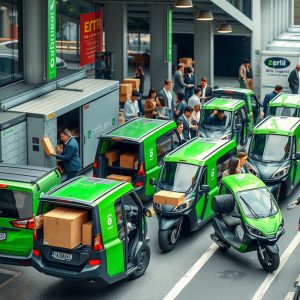
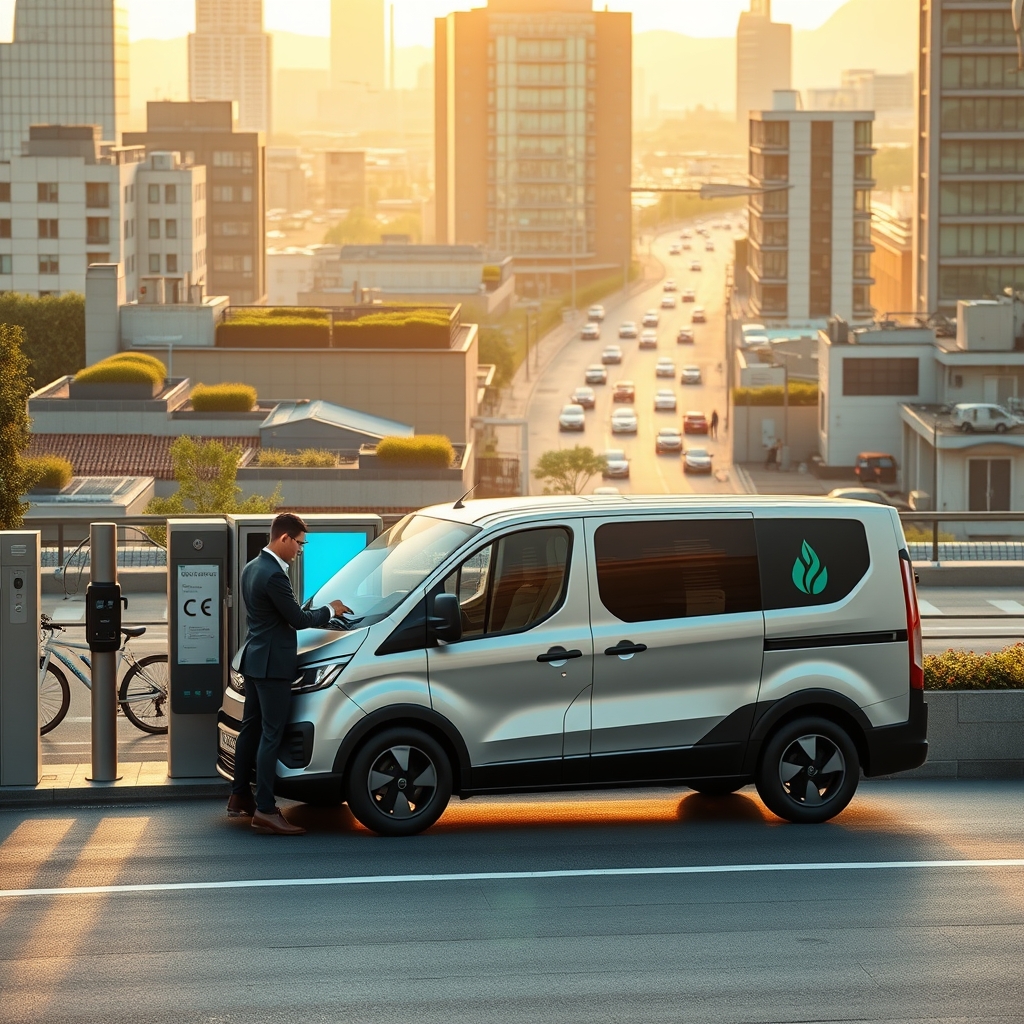
One of the most effective strategies has been the adoption of electric and hybrid delivery vehicles. These vehicles not only cut down on emissions but also reduce fuel costs, making them a financially viable option for many businesses. Additionally, courier companies are increasingly investing in smart locker pick-up systems, which consolidate deliveries and reduce the number of trips required to fulfill orders. This not only saves time but also lowers the carbon footprint associated with last mile delivery.
Innovative Solutions for a Greener Supply Chain
Beyond vehicle electrification, businesses are exploring a range of sustainable practices to green their supply chains. Bulk shipping discounts encourage companies to consolidate shipments, reducing the number of individual deliveries and, consequently, emissions. Similarly, contactless package drop-off options minimize unnecessary interactions and optimize delivery routes, further cutting down on fuel consumption.
Another promising development is the use of alternative fuels, such as biofuels and hydrogen, in freight shipping. While these technologies are still in the early stages of adoption, they hold the potential to revolutionize nationwide freight shipping and international parcel shipping by offering a cleaner alternative to traditional diesel-powered transport.
Balancing Speed and Sustainability: The Future of B2B Delivery
The challenge for modern logistics providers is to deliver on the promise of speed without compromising on sustainability. Fortunately, advancements in technology and a growing emphasis on corporate responsibility are making this balance increasingly achievable. For instance, AI-powered logistics platforms can now optimize delivery routes in real-time, ensuring that packages are delivered as quickly as possible while minimizing fuel consumption and emissions.
Businesses are also leveraging data analytics to gain insights into their shipping patterns, identifying opportunities to reduce waste and improve efficiency. By analyzing factors such as delivery frequency, package size, and transit times, companies can make informed decisions that benefit both their bottom line and the environment.
As the logistics industry continues to evolve, the integration of speed and sustainability will become the standard rather than the exception. Companies that embrace these dual priorities will not only gain a competitive edge but also contribute to a more sustainable future. The shift toward greener, faster, and more efficient B2B delivery services is not just a trend—it’s a fundamental reimagining of how businesses connect with their customers and the world around them. The logistics of tomorrow are being shaped today, and those who adapt will lead the way in this new era of corporate logistics.