The Strategic Edge of Scheduled Parcel Pickup and On-Demand Courier Services in Modern Business Logistics
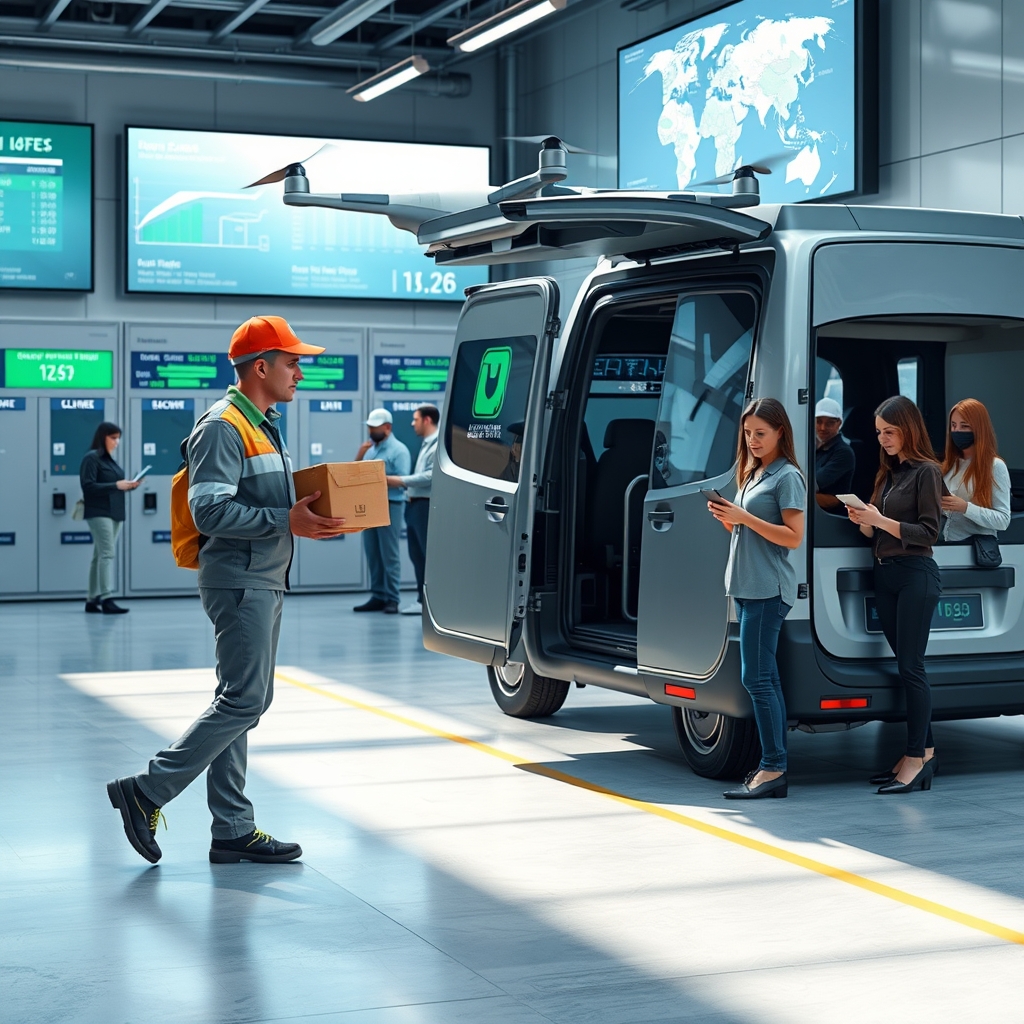
In today’s fast-paced business environment, the efficiency of logistics operations can make or break a company’s competitive advantage. The rise of scheduled parcel pickup and on-demand courier services has transformed how businesses manage their supply chains, offering unprecedented flexibility, reliability, and cost savings. These innovations are not just about speed—they’re about precision, predictability, and the ability to adapt to the ever-changing demands of modern commerce.
The Shift from Reactive to Proactive Logistics
Traditionally, businesses relied on ad-hoc shipping solutions, often scrambling to meet last-minute delivery demands. This reactive approach led to inefficiencies, higher costs, and missed opportunities. However, the integration of scheduled parcel pickup has allowed companies to transition from a reactive to a proactive logistics model. By pre-planning pickups, businesses can optimize routes, reduce idle time, and ensure that shipments are processed and dispatched with minimal delay.
This shift is particularly valuable for industries with high-volume shipping needs, such as e-commerce, manufacturing, and healthcare. For example, an online retailer can schedule daily pickups for customer orders, ensuring that packages are collected at the same time each day and dispatched for same-day package delivery or next-day shipping. This consistency not only improves operational efficiency but also enhances customer satisfaction by providing reliable delivery windows.
The Role of On-Demand Courier Services in Last Mile Delivery
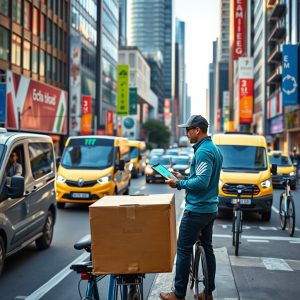
While scheduled pickups provide structure, on-demand courier services offer the agility needed to handle unexpected or urgent shipments. The last mile delivery segment, often the most complex and costly part of the logistics chain, has seen significant improvements thanks to these services. Businesses can now request immediate pickups for time-sensitive documents, medical supplies, or high-value goods, ensuring they reach their destination without delay.
On-demand couriers are also playing a crucial role in supporting B2B delivery services, where businesses rely on timely deliveries to maintain smooth operations. For instance, a law firm may need an urgent document courier to transport legal contracts to a client within hours. Similarly, a retail store might require a last-minute restock of inventory to meet sudden demand. In these scenarios, on-demand couriers provide the flexibility to respond quickly, reducing downtime and keeping businesses running smoothly.
Enhancing Customer Experience with Real-Time Tracking and Contactless Delivery
One of the most significant advancements in modern logistics is the integration of real-time package tracking. Customers and businesses alike now expect full visibility into the status of their shipments, from pickup to delivery. This transparency builds trust and allows companies to proactively address any delays or issues that may arise during transit.
Additionally, the rise of contactless package drop-off has further streamlined the delivery process. Whether it’s leaving a package at a secure location or using smart locker pickup systems, these solutions provide convenience and safety for both senders and recipients. For businesses, contactless delivery reduces the risk of failed deliveries and minimizes the need for repeated delivery attempts, saving time and resources.
The Environmental and Economic Benefits of Smart Logistics
Beyond efficiency and convenience, modern courier services are also driving sustainability in logistics. Eco-friendly delivery options, such as electric vehicles and optimized delivery routes, are reducing the carbon footprint of shipping operations. Businesses that prioritize sustainability not only contribute to environmental conservation but also appeal to eco-conscious consumers, enhancing their brand reputation.
Moreover, bulk shipping discounts and automated pickup services are helping businesses reduce costs. By consolidating shipments and leveraging technology to streamline operations, companies can achieve significant savings without compromising on service quality. For example, a business that schedules regular pickups for bulk shipments can negotiate better rates with courier providers, lowering their overall logistics expenses.
The Future of Business Courier Solutions
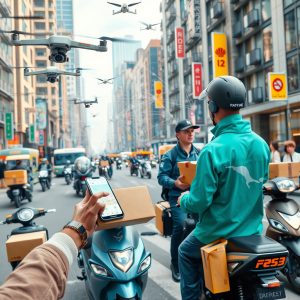
As technology continues to evolve, so too will the capabilities of courier services. Innovations such as AI-driven route optimization, drone deliveries, and blockchain-based tracking are poised to further revolutionize the industry. Businesses that embrace these advancements will be better positioned to meet the growing demands of their customers and stay ahead of the competition.
The integration of scheduled parcel pickup and on-demand courier services is not just a trend—it’s a fundamental shift in how businesses approach logistics. By combining the predictability of scheduled pickups with the flexibility of on-demand services, companies can create a logistics strategy that is both efficient and adaptable. In a world where speed, reliability, and sustainability are paramount, these solutions provide the strategic edge needed to thrive in modern commerce. The businesses that recognize and leverage these tools today will be the ones leading the way tomorrow, setting new standards for excellence in logistics and customer service.